South and Central America
In this section:
Peru | Mexico | Conservation | Gallery
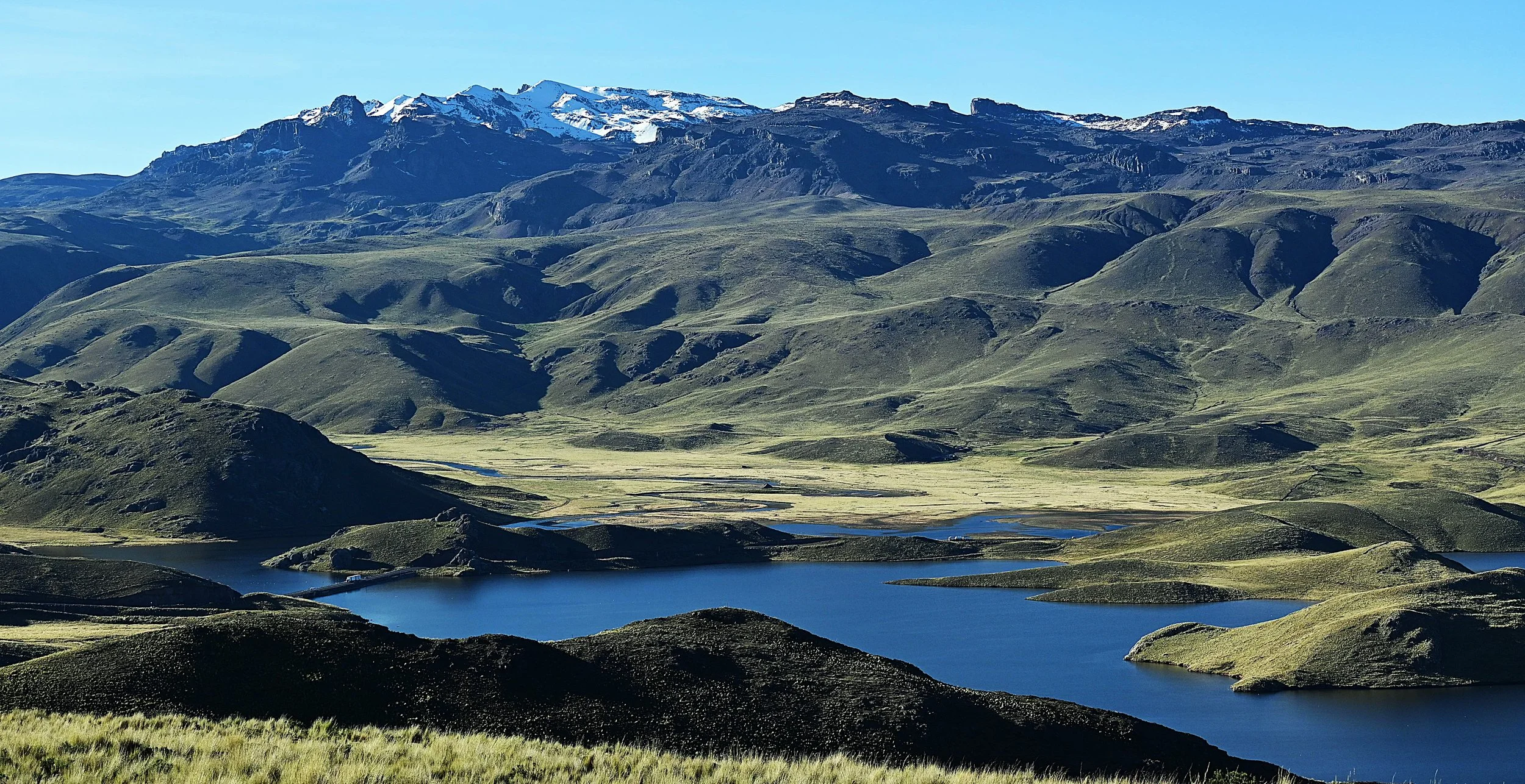
Mirador Alto Lagunillas, Peru
Peru
The relief of Peru is so diverse it forms a complex variety of habitats. On one side, the Andean cordillera interrupts the airflow towards the west and all masses coming from the east, or the Amazon Basin, are blocked at the bottom of the eastern slopes. This results in the eastern lowlands of the mountain being very humid and covered in evergreen forests.
Further towards the east, lay the Amazonian flats of Peru, wide and often flooded, not exceeding more than 300m altitude. The rivers there are lazy, meandering, and constantly making new ways across the floodplains, creating oxbow lakes, leaving some of the meanders detached. This creates a variety of new habitats, especially suitable for birds [1].
On the west, Peru has some of the driest Coastal deserts, including the northern part of the Atacama desert. This region typically has lower average temperatures for a tropical region and very little monthly variation. The cool and dry climate is caused by the Humboldt Current in the Pacific Ocean. The cool air also creates an inversion of air masses around the coast, forming low clouds and fog. These are often the only source of water there is in these lands, sometimes condensing into light drizzle, especially beneficial for some minimal delicate plant life around the region [2].
The Andean highlands are home to a variety of vegetation, depending on the region and sunlight direction and intensity. For instance, high altitude eucalyptus forests have been planted on the western slopes, along with perennial shrubs, candelabra cacti, and Peruvian pepper trees, Tola plants grow around 3,400m of altitude, in the southern volcanic regions, bunch puna grasses grow further up around 3,700m [2].
Spanning from the North, all the way to the South of the continent, The Andes are the longest continental mountain range, and the highest outside of Asia. There are 16 active volcanos on the territory of the country.
Peru is a home to an astounding number of over 21,462 species of plants and animals (according to data from 2003). Around 5,855 of these are endemic. This makes Peru one of the most megadiverse countries in the world.
Peru is also a paradise for bird lovers, as the World Bird Database states that 1,934 species inhabit its territory. The Andean cock-of-the-rock, the Inca tern, the Andean Condor, the Humboldt penguin, the hoatzin, the Crested quetzal, were only a few to spot on my bucket list.
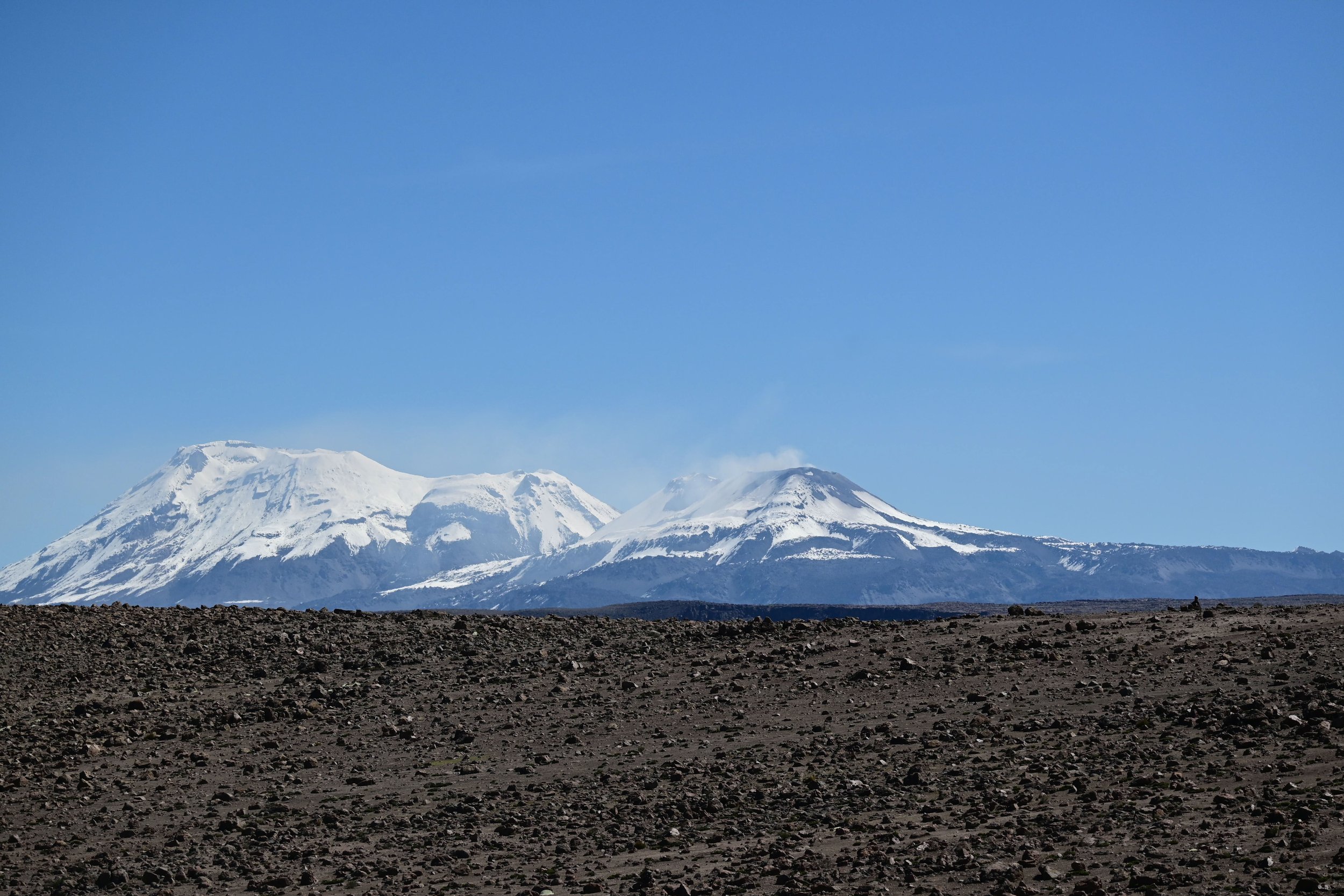
Mirador de los Andes, 4,910m above sea level, with a view to the Ampato and Sabancaya volcanic complex.
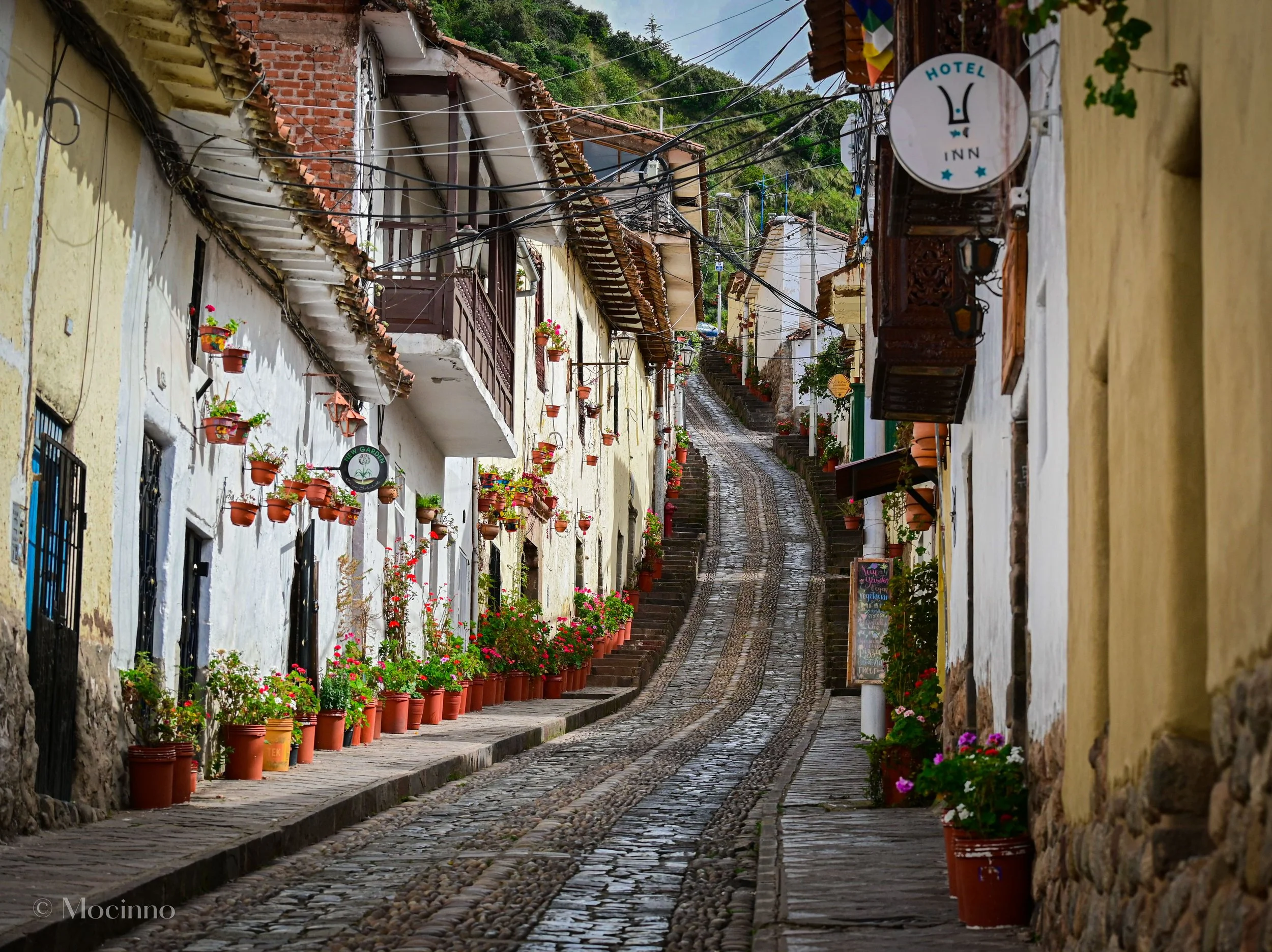
In Peru, the itinerary started off with landing in Lima. I then continued south along the dry coastal deserts, reaching the Islas Ballestas, near Paracas. From there, after ticking off the Inca terns, sea lions, and Humboldt penguins, I made my way across the mountains to the Colca Canyon. There I fulfilled my dream of seeing the Andean Condor, a symbolic species of the country. Then, climbing further up in the Andes, I reached the highest point of my trip, of 4910m above sea level, surrounded by the stunning views of some of the active volcanos in Peru. The next stops were Arequipa and Puno, on Lake Titicaca, where I marvelled the unmatched beauty of the high altitude lifestyle on the floating islands, along with some peculiar species of water birds, such as the Titicaca grebe and the Andean gull. My two final stops were slightly further north, in the Inca capital of Cusco and the citadel of Machu Picchu, where the subtropical highland climate unveiled its splendid diversity of bird species, inhabiting the surrounding forests.
Some of the species I saw during my stay there follow below in the Gallery section.
Mexico
Mexico hosts around 1,150 different species of birds and a large diversity of mammals, amphibians, butterflies, and reptiles, and around 15% of these are endemic to the region [3]. It has been reported that over the last 30 years Mexico has lost a significant portion of its wildlife, due to fragmentation, climate change, deforestation, and pollution [4].
Mexico has a diverse range of habitats as well. To the north, the region is mountainous, dry, with deserts and semi-deserts. Typically, it is a landscape of spiky cacti and mesquites and some grassy patches in the slightly more humid areas. Centrally is situated the Mexican Central Plateau, which is a high-altitude region in a tropical climate. This creates an almost all-year pleasant conditions for human residence, as well as provides fertile soils, great for farming, due to the volcanic deposits.
Further to the south, there are the tropical lowlands, with plenty of rainfall, compared to the rest of Mexico’s territory. These lands are covered in dense rainforests, and is also where the Yucatán Peninsula is as well. This is where my short stop in Mexico was based.
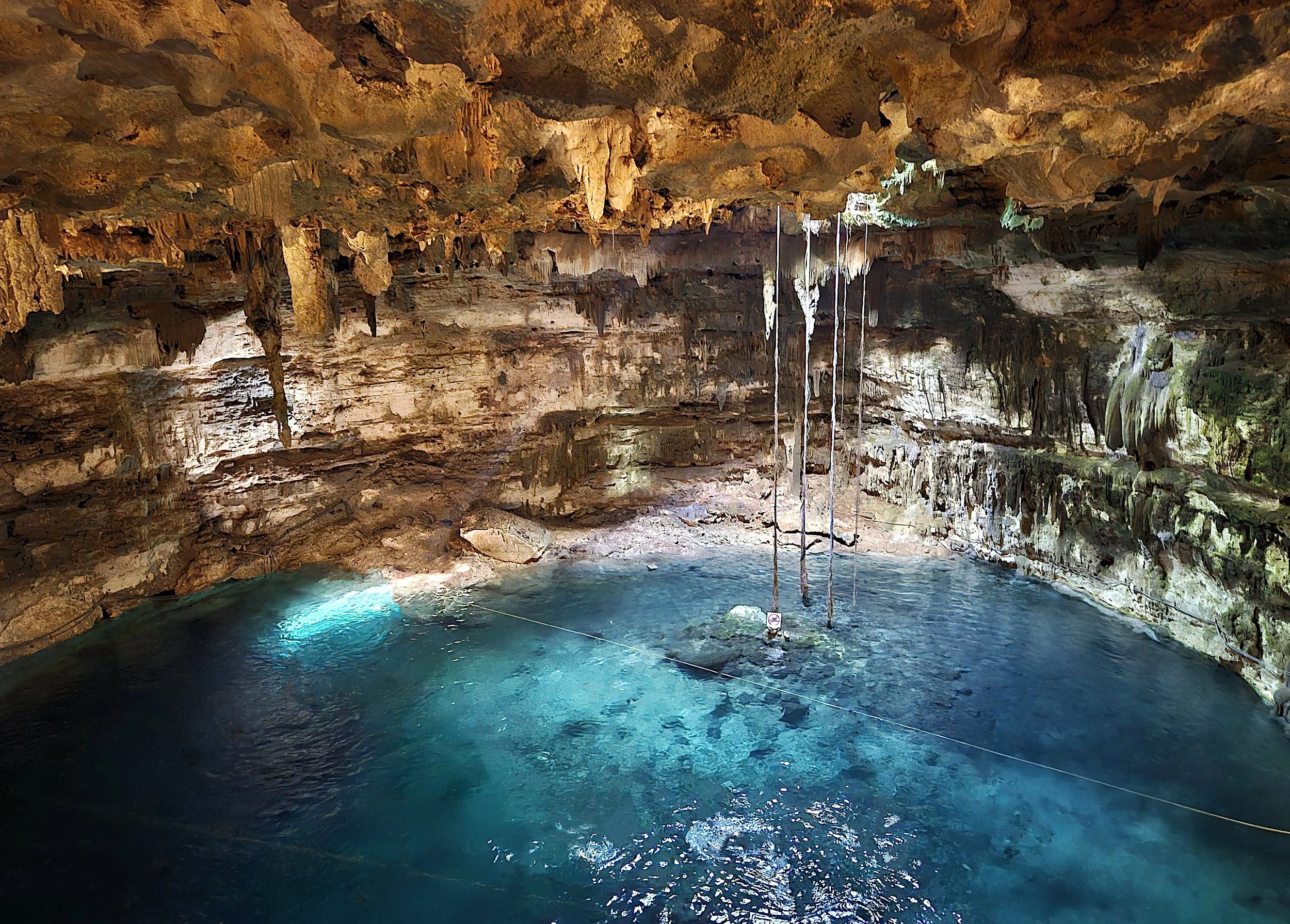
Yucatán is a massive limestone plain, which has no lakes, but has a few streams. Nevertheless, underneath it, due to erosion, a large cave system has formed over the epochs. When its roof collapses at places, sinkholes form, called “cenotes”. These are now some of the most extraordinary attractions for visitors around the Yucatán area [5].
Some of the cenotes are found to be connected horizontally, via an extensive underground river systems. Others form vast underwater caving systems, which are admired by the divers from all around the world.
Ancient Maya living on these lands, used these formations for natural water supplies and some even for sacrificial offerings to their gods.
The extremely limited amount of time spent there, only allowed me to capture a couple of more interesting species.
Cenote Samula
Conservation

Peru and Mexico are among the world's most biologically diverse countries, containing a remarkable range of ecosystems, supporting thousands of endemic species.
In Peru, there are 64 Critically Endangered species of animals and plants, 122 Endangered, 203 Vulnerable, and 103 Nearly Threatened species [6]. Conservationists there are prioritising the protection of the Amazon rainforest from deforestation, illegal mining, and wildlife trafficking. Moreover, they are improving the policies for Indigenous populations’ rights and the management of protected areas.
In Mexico, the highest priorities include conserving the tropical forests, deserts, coral reefs, and cloud forests, reducing habitat fragmentation, safeguarding endangered species such as the jaguar and monarch butterfly, and addressing water scarcity and pollution.
Generally, for both countries, the most crucial areas of focus are halting habitat loss, restoring degraded ecosystems, strengthening protected area management, promoting sustainable agriculture and forestry, combating illegal wildlife trade, and supporting local and Indigenous communities as key partners in conservation.
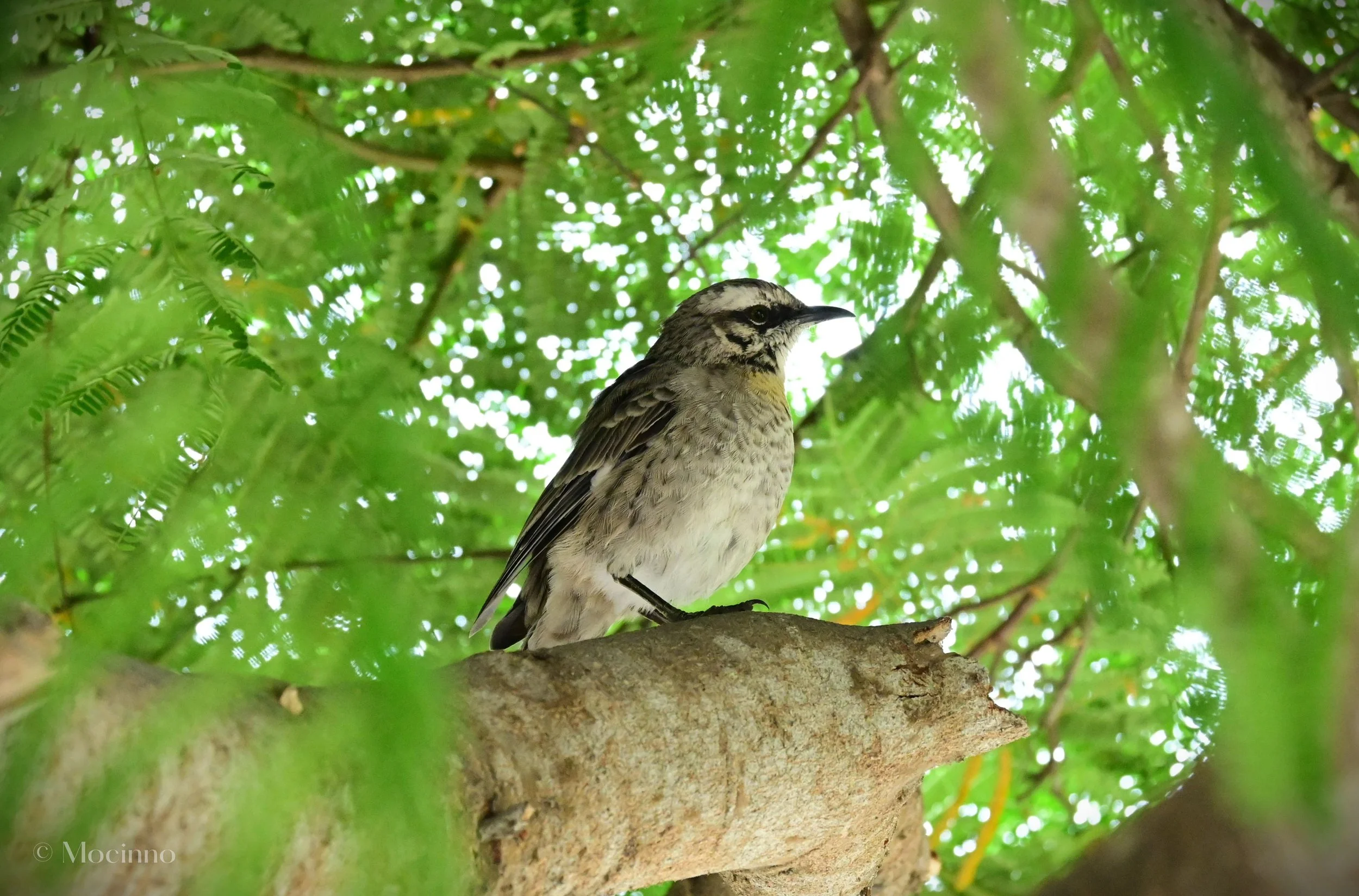
Long-tailed Mockingbird (Mimus longicaudatus), LC, Lima
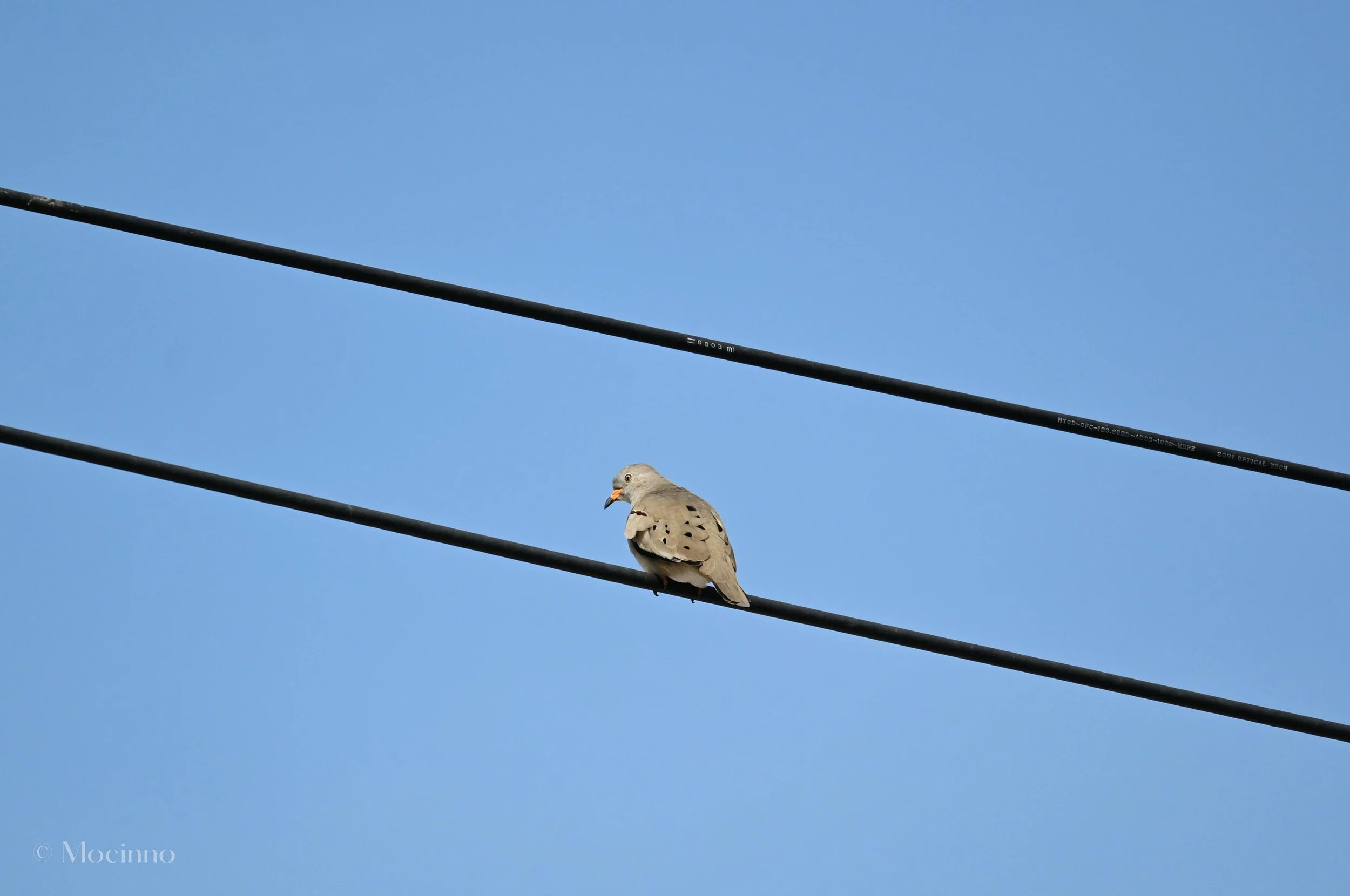
Croaking Ground Dove (Columbina cruziana), LC, Lima
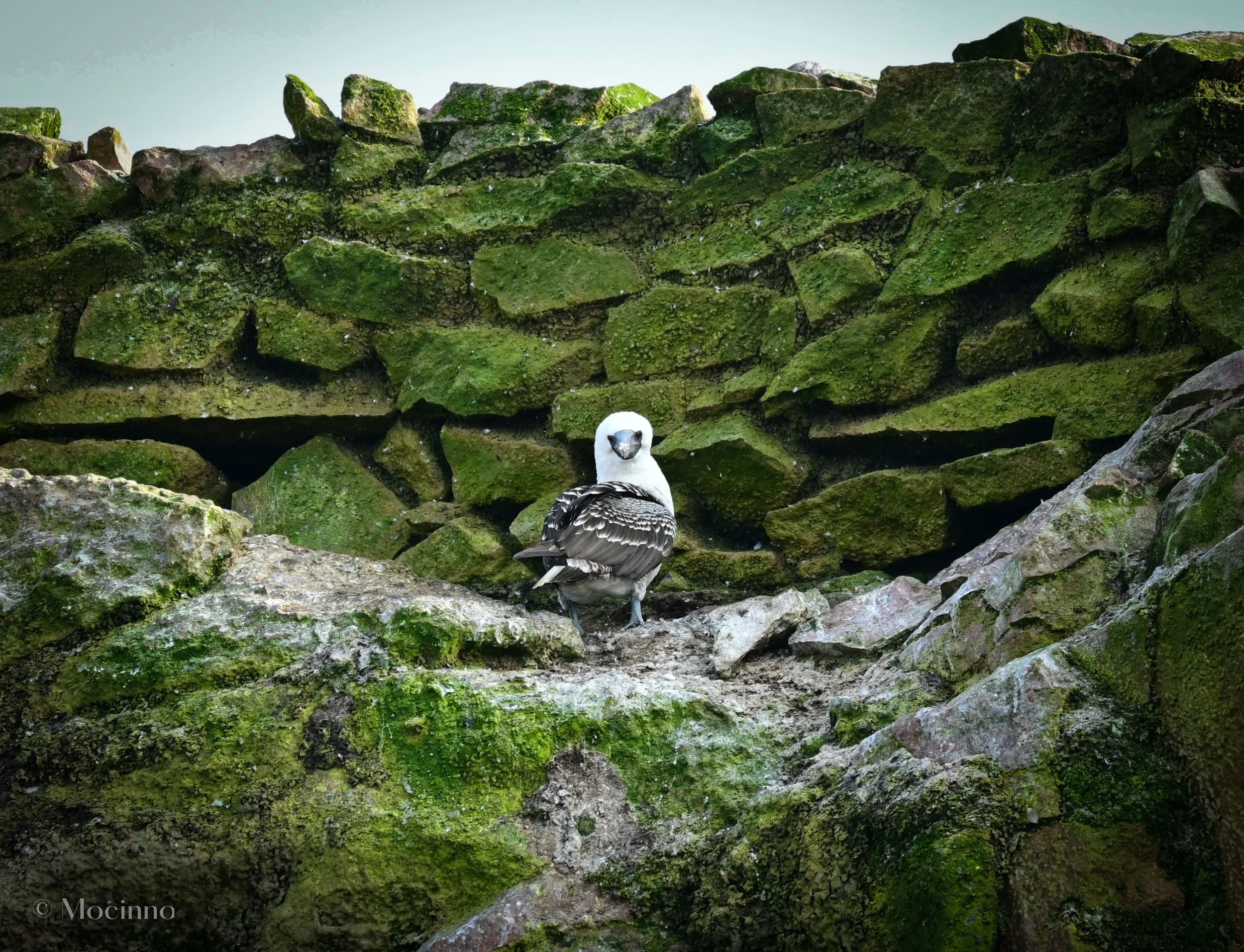
Peruvian Booby (Sula variegata), LC, Islas Ballestas
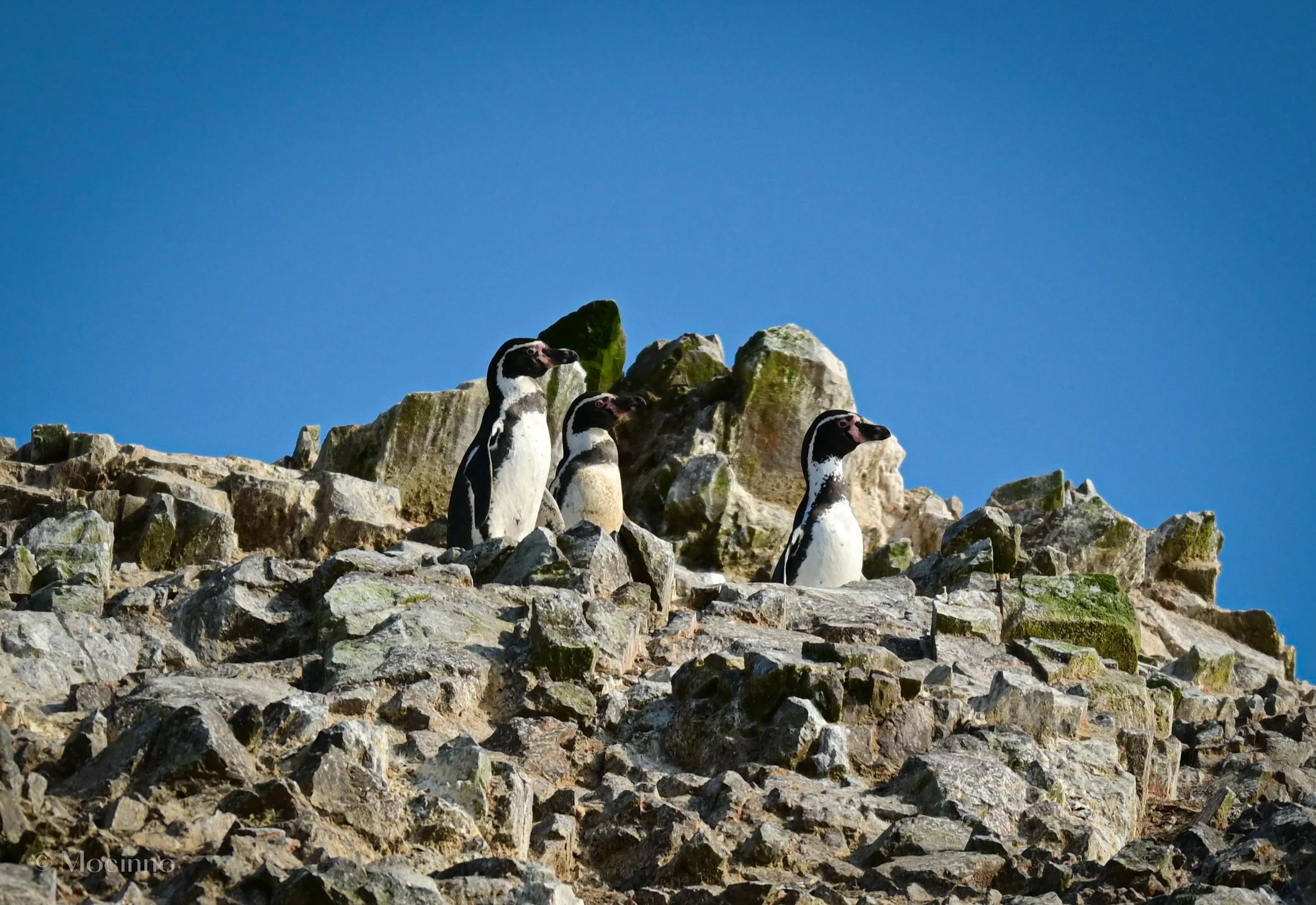
Humboldt penguin (Spheniscus humboldti), VU, Islas Ballestas
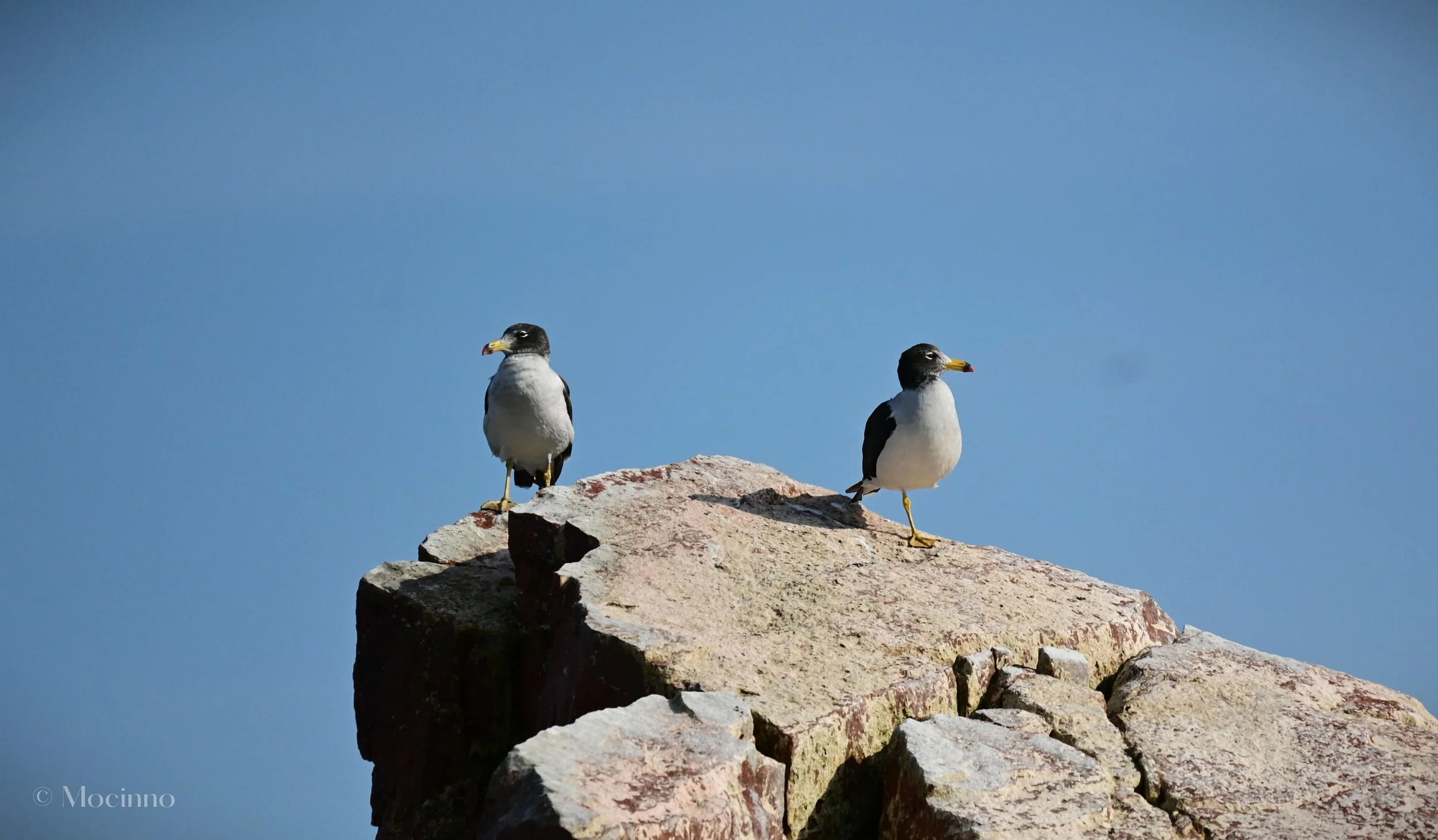
Belcher's Gull (Larus belcheri), LC, Islas Ballestas
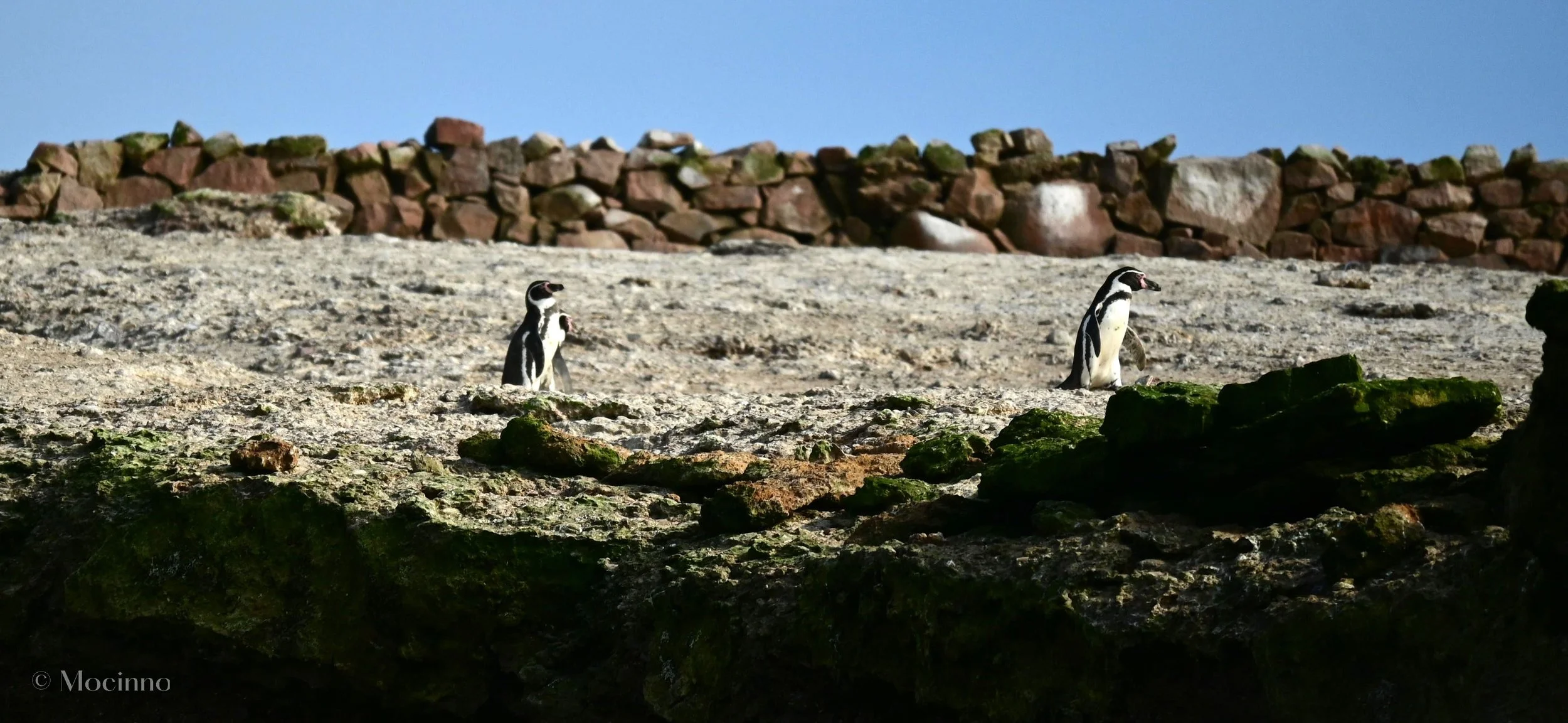
Humboldt penguin (Spheniscus humboldti), VU, Islas Ballestas
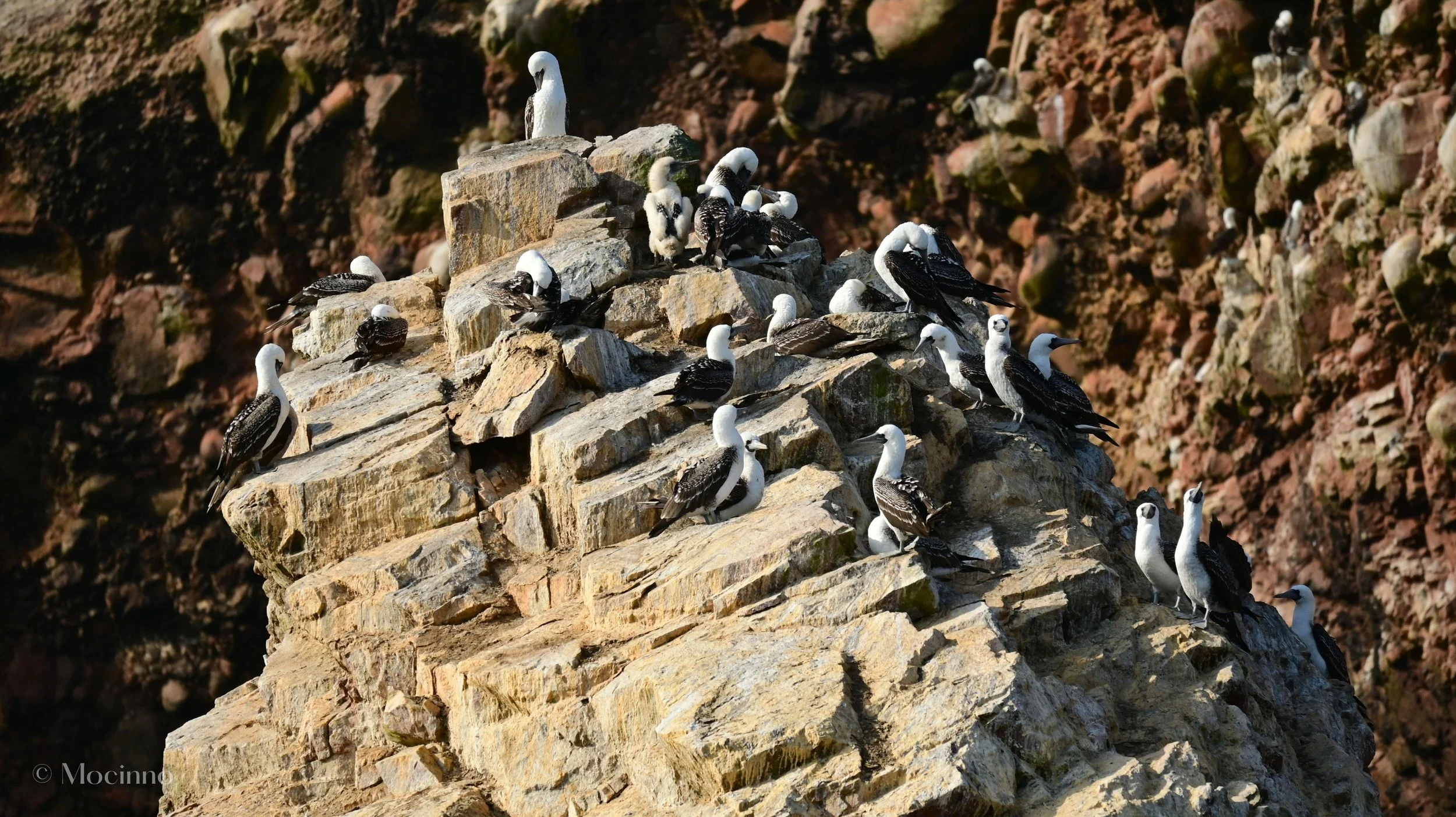
Peruvian Booby (Sula variegata), LC, Islas Ballestas
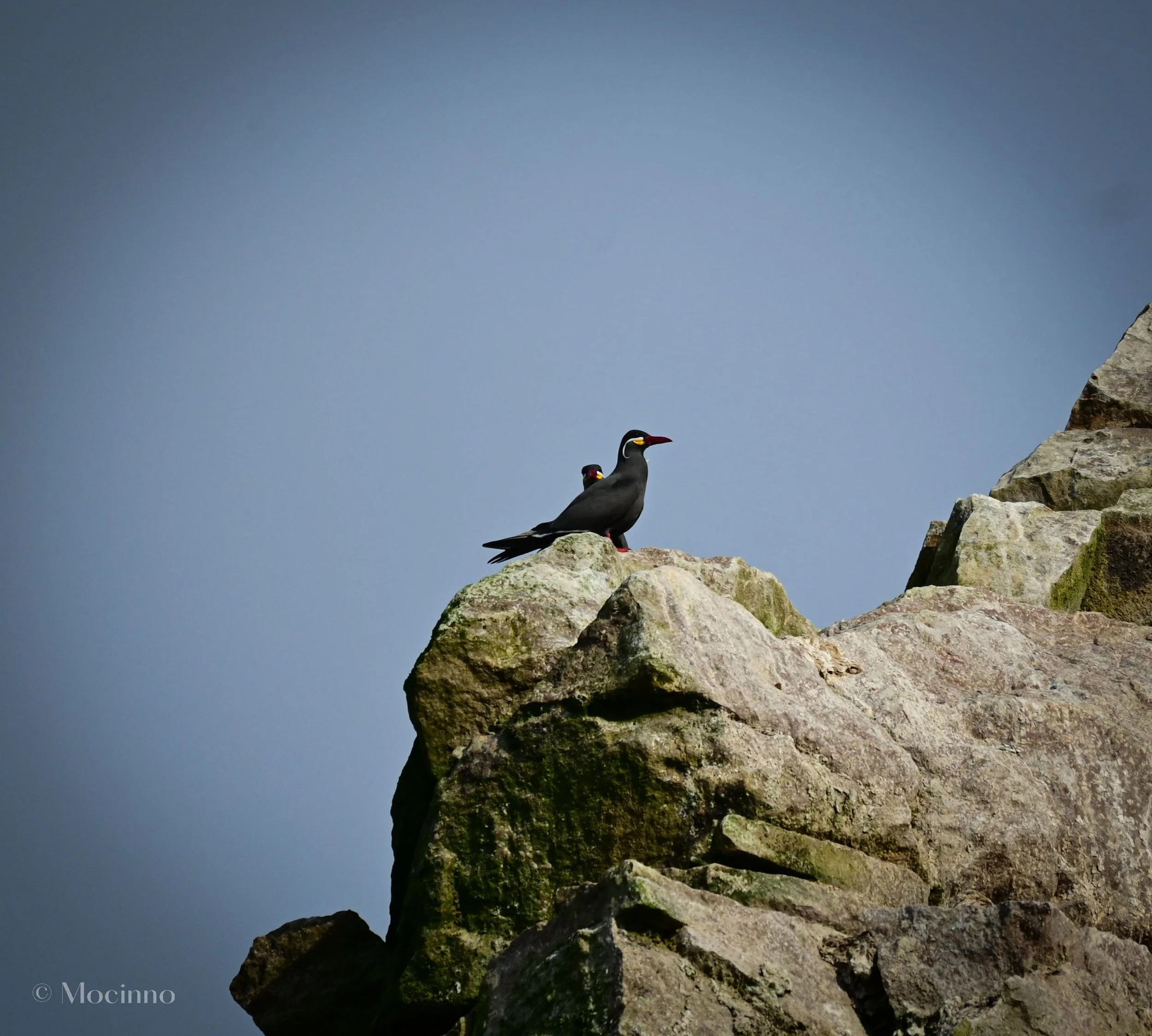
Inca Tern (Larosterna inca), NT, Islas Ballestas
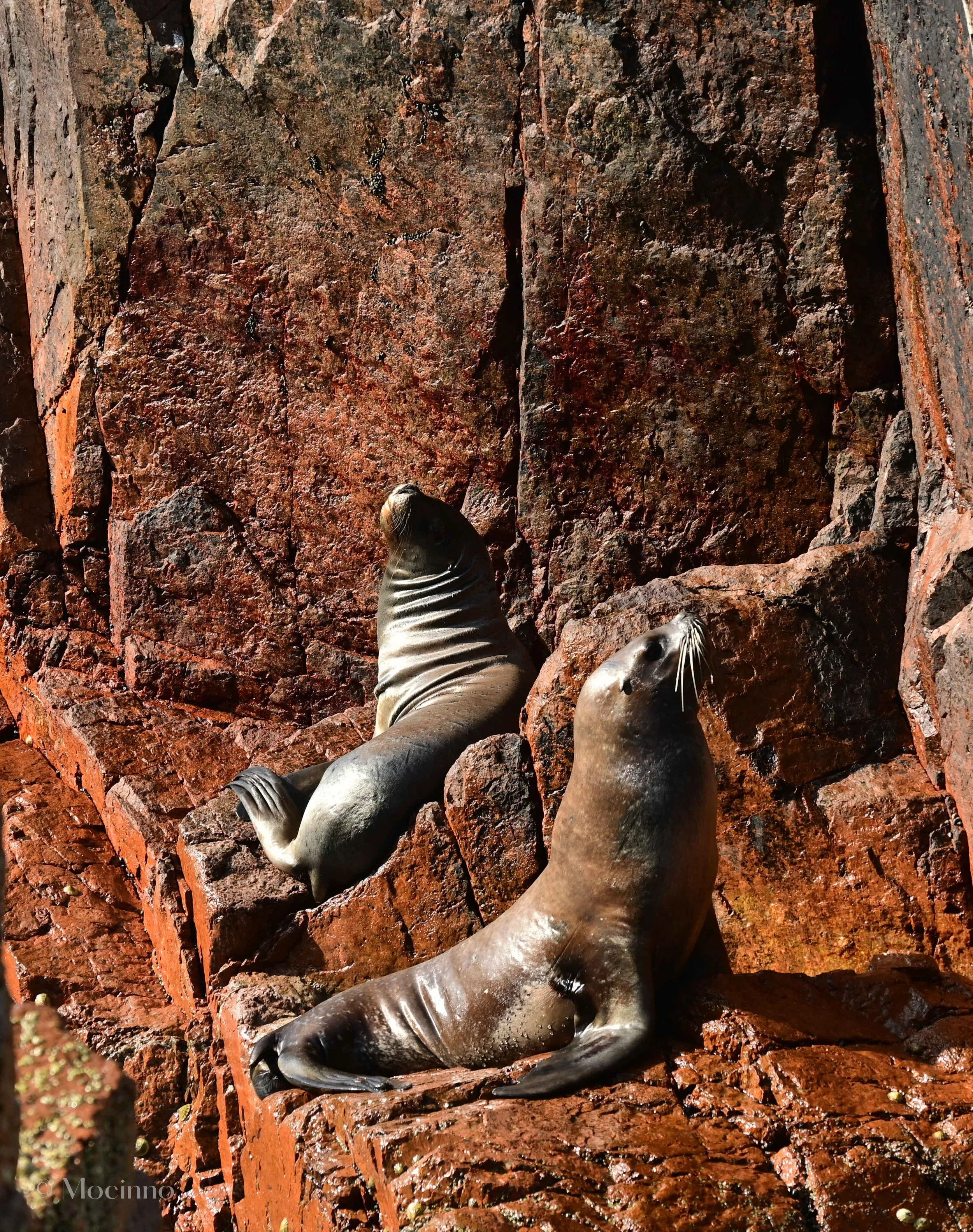
South American Sea Lion (Otaria flavescens), LC, Islas Ballestas
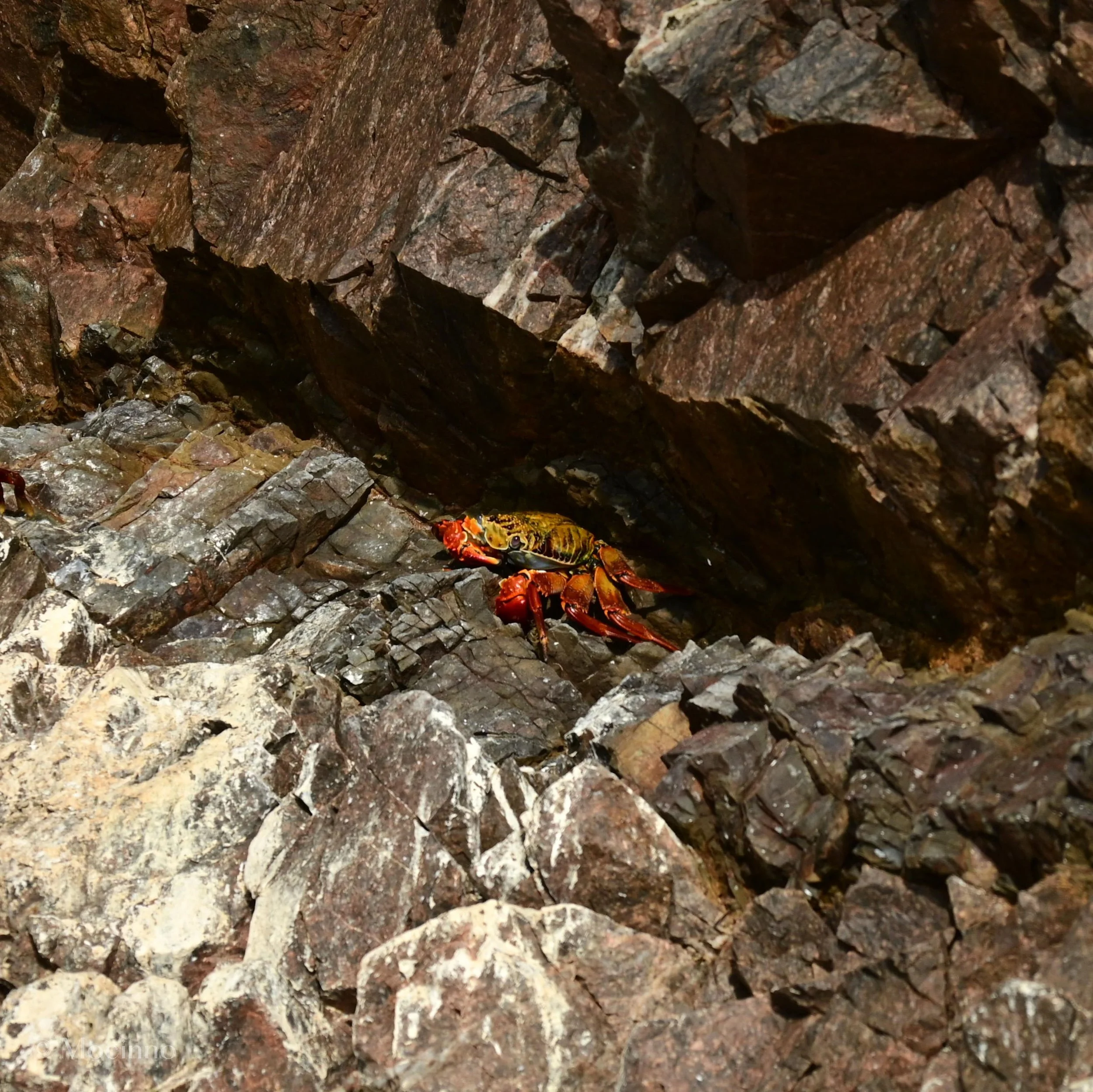
Red Rock Crab (Grapsus grapsus), LC, Islas Ballestas
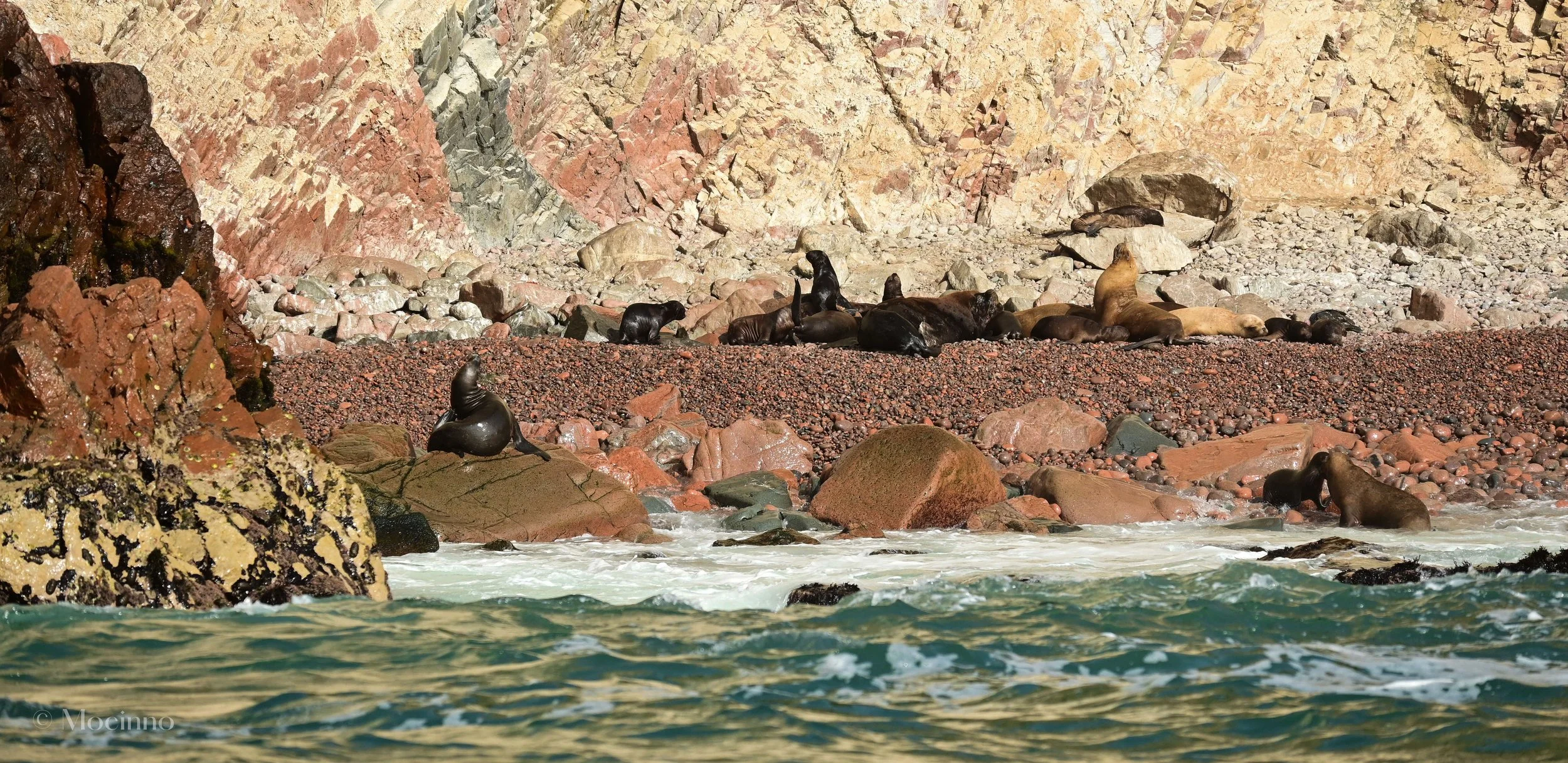
South American Sea Lion (Otaria flavescens), LC, Islas Ballestas
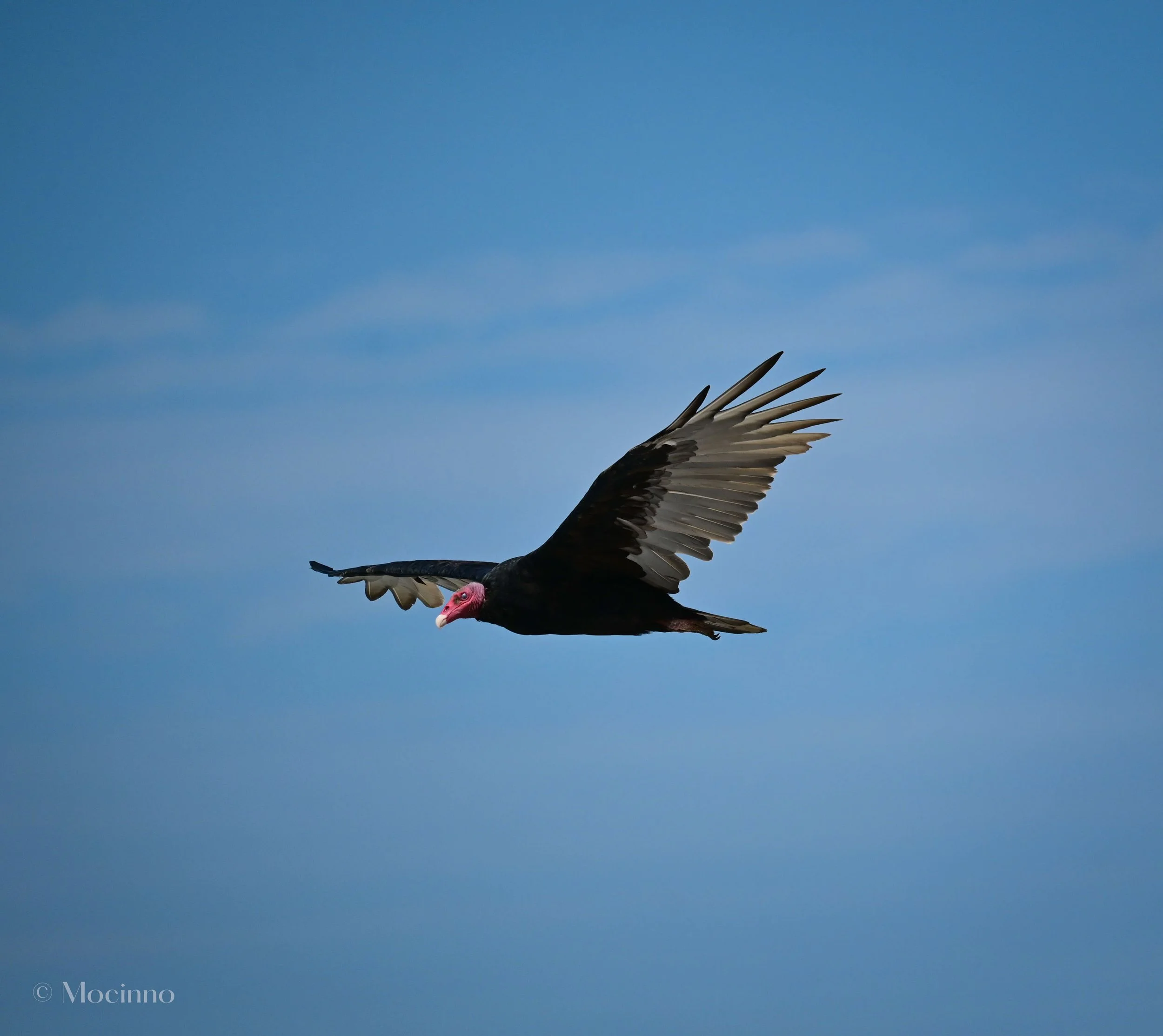
Tukey Vulture (Cathartes aura), LC, Playa Roja
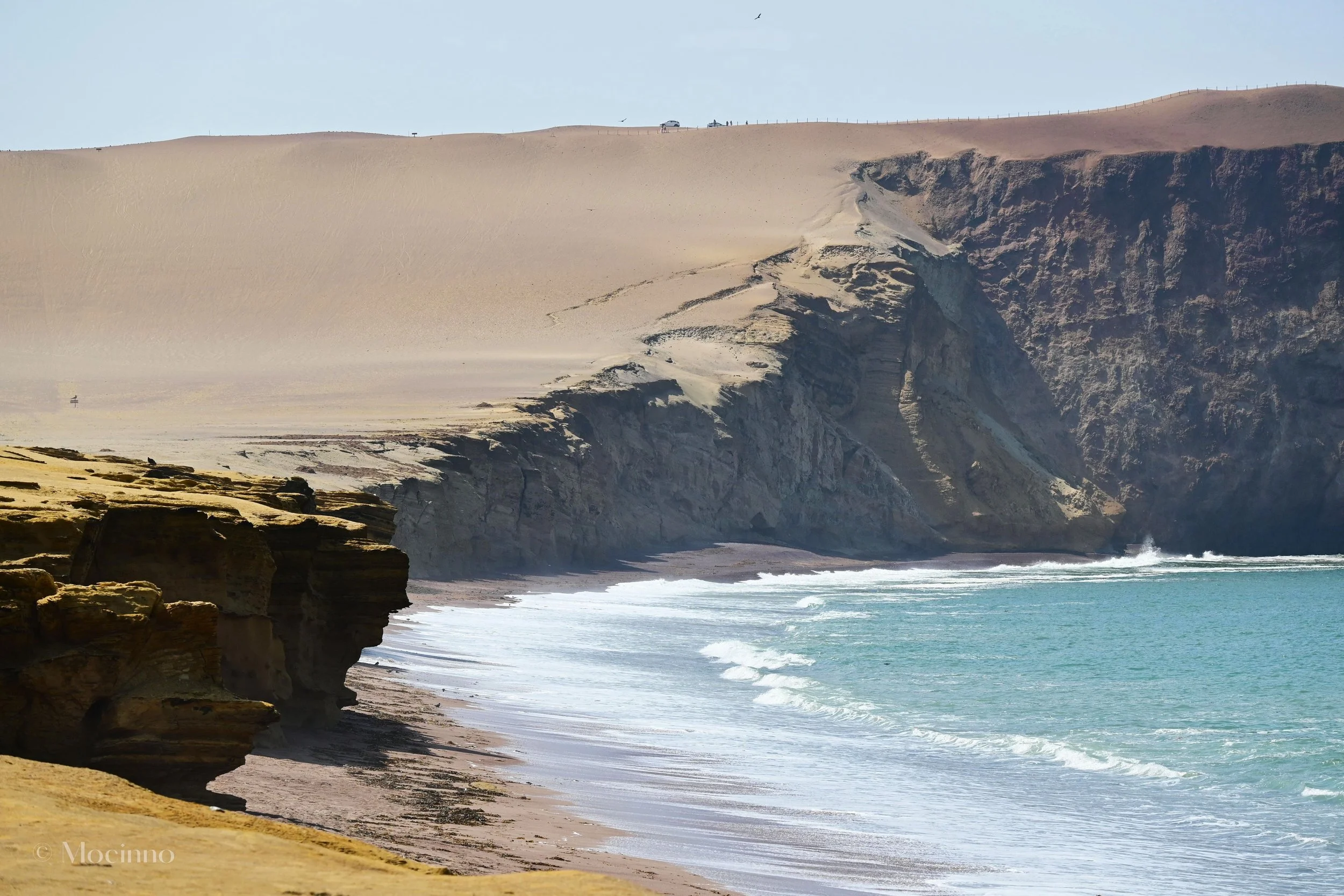
Playa Roja, Coastal Desert
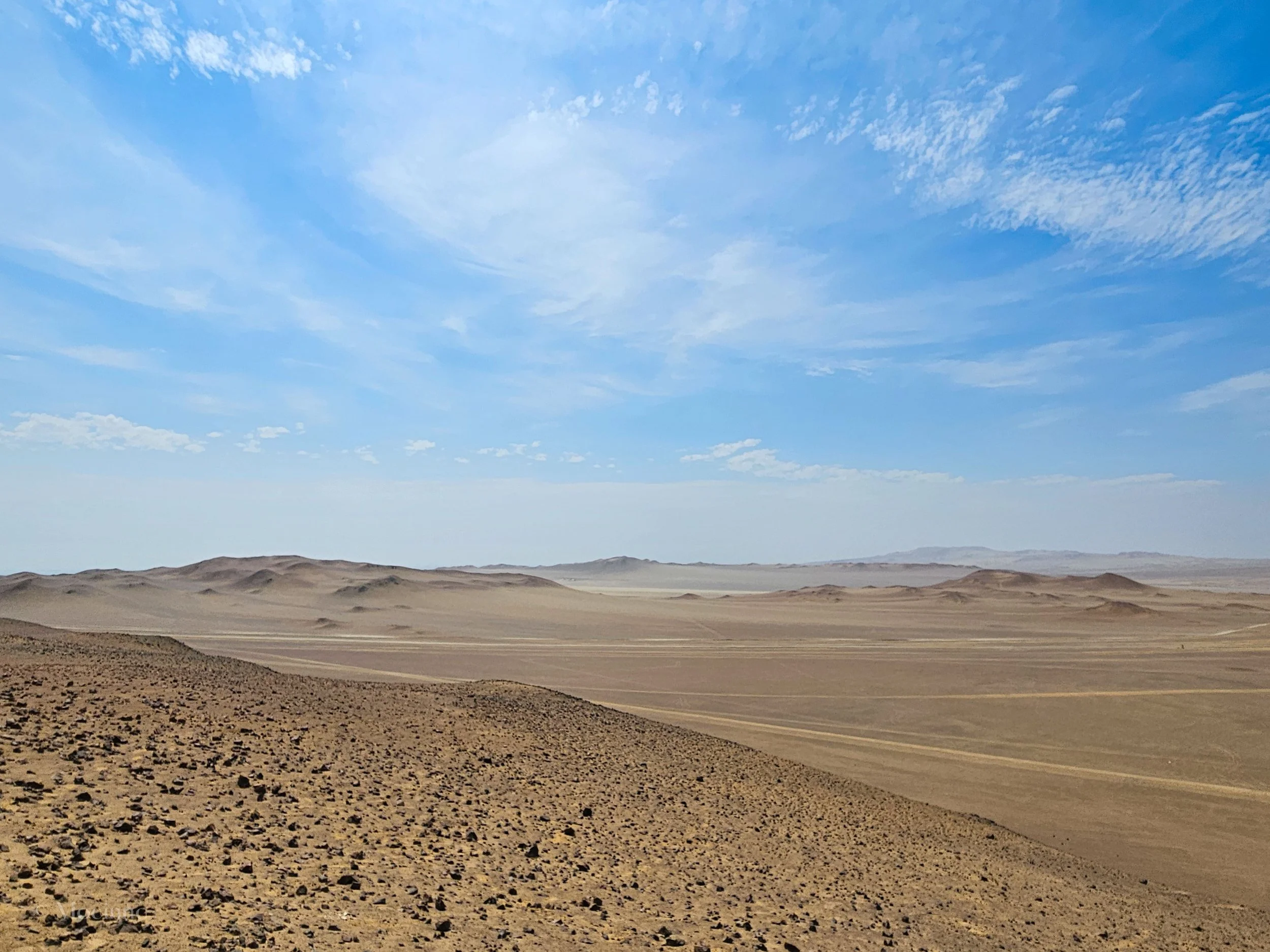
Coastal Desert
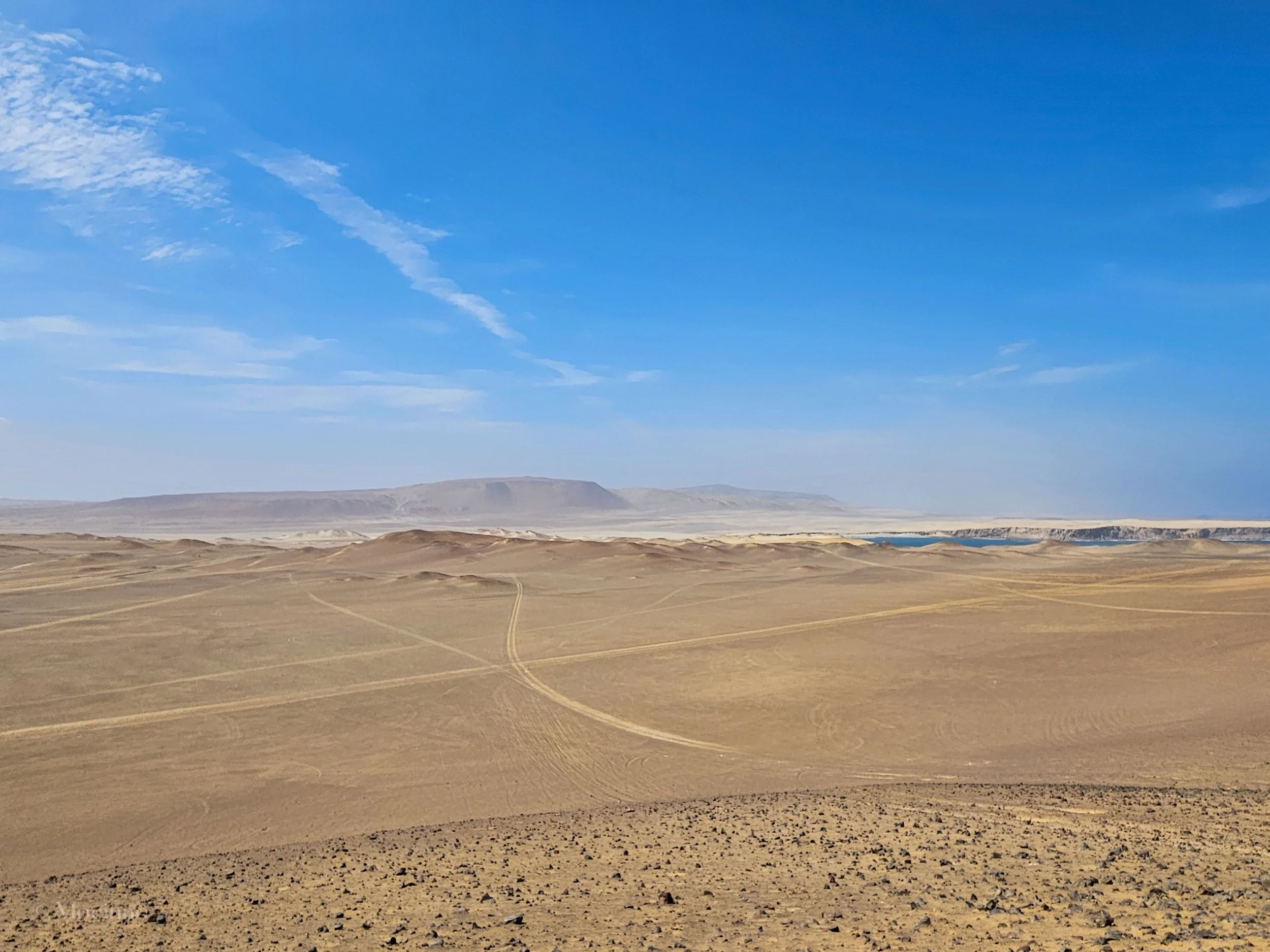
Coastal Desert
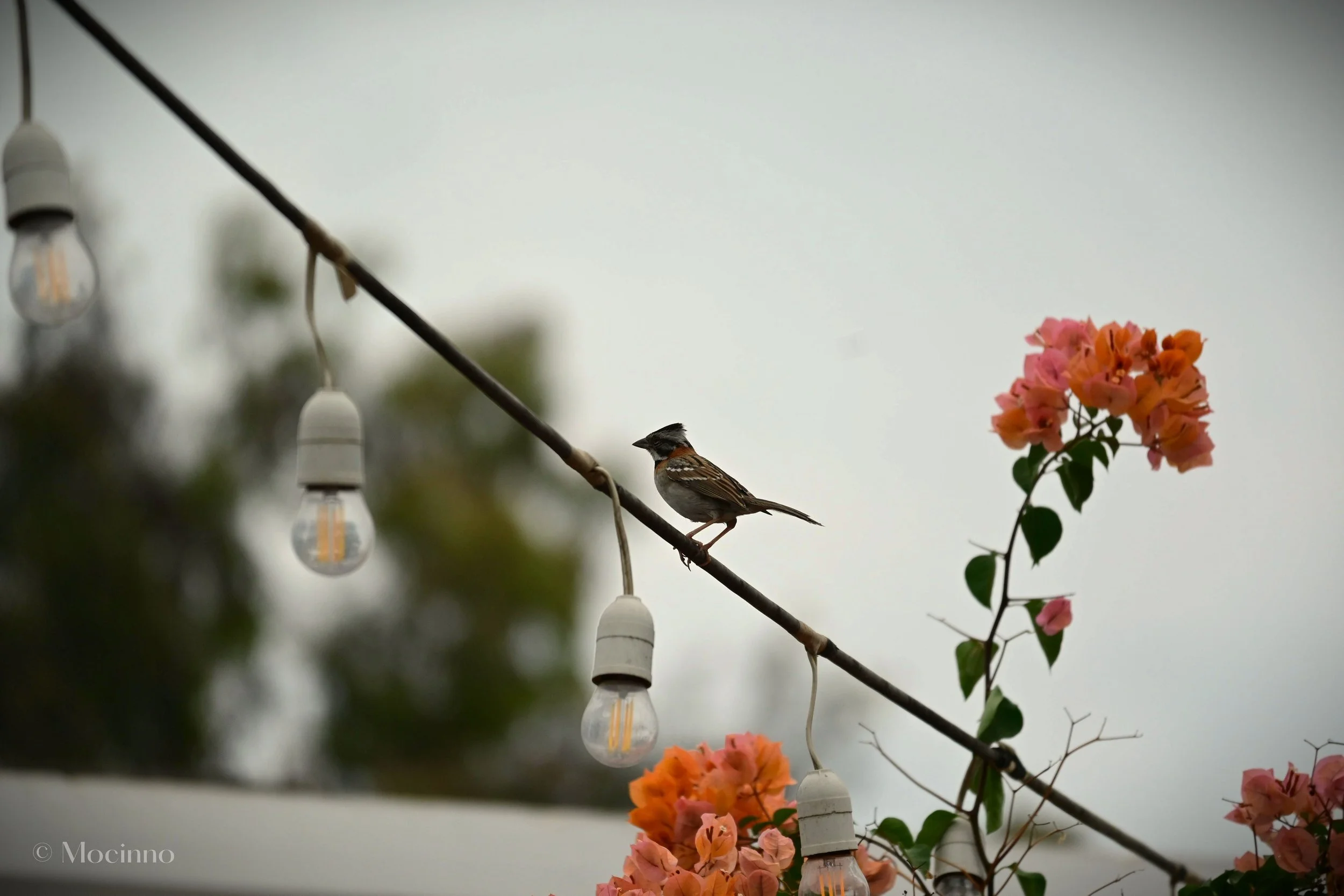
Rufous-collared Sparrow (Zonotrichia capensis), LC
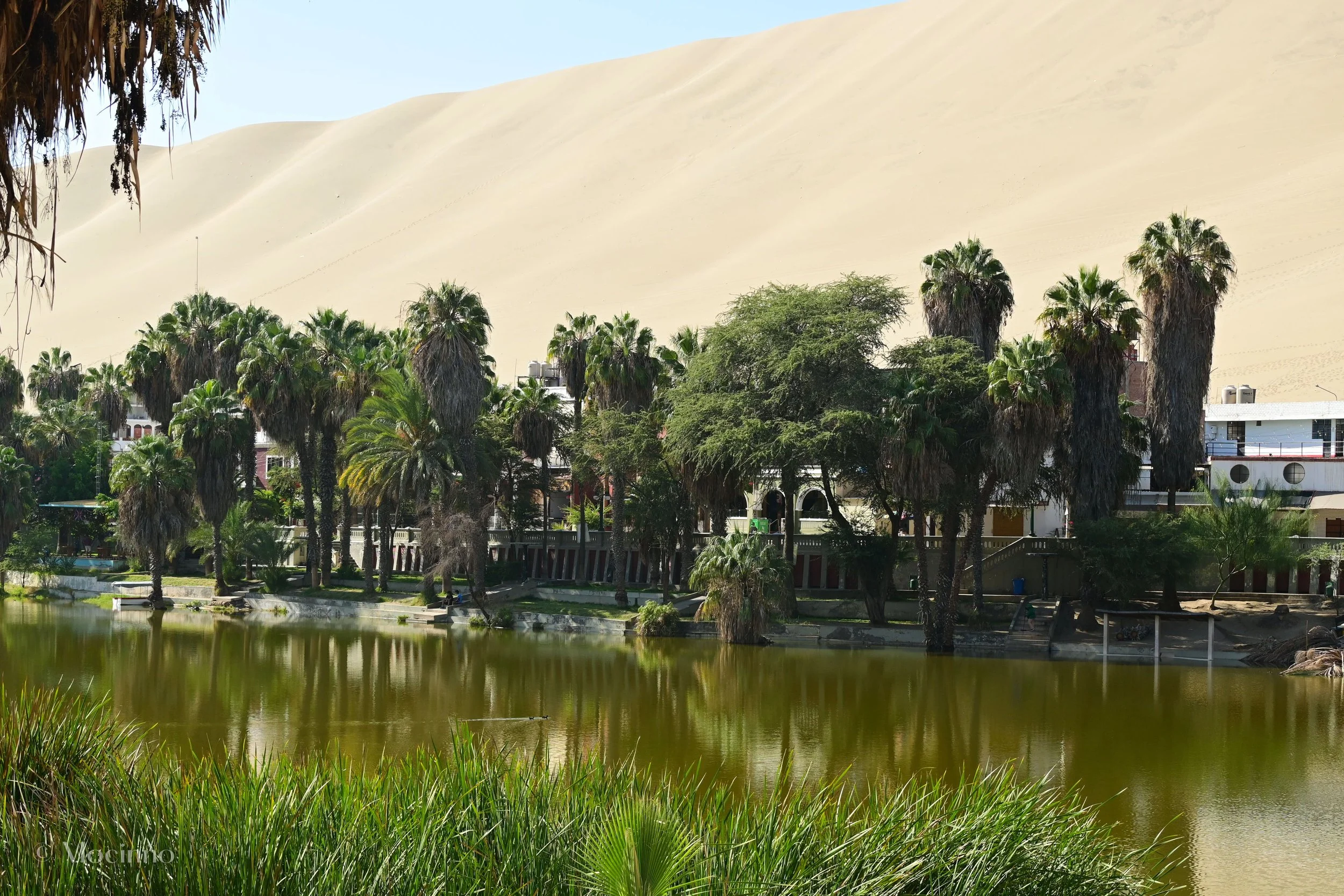
Huacachina Lagoon
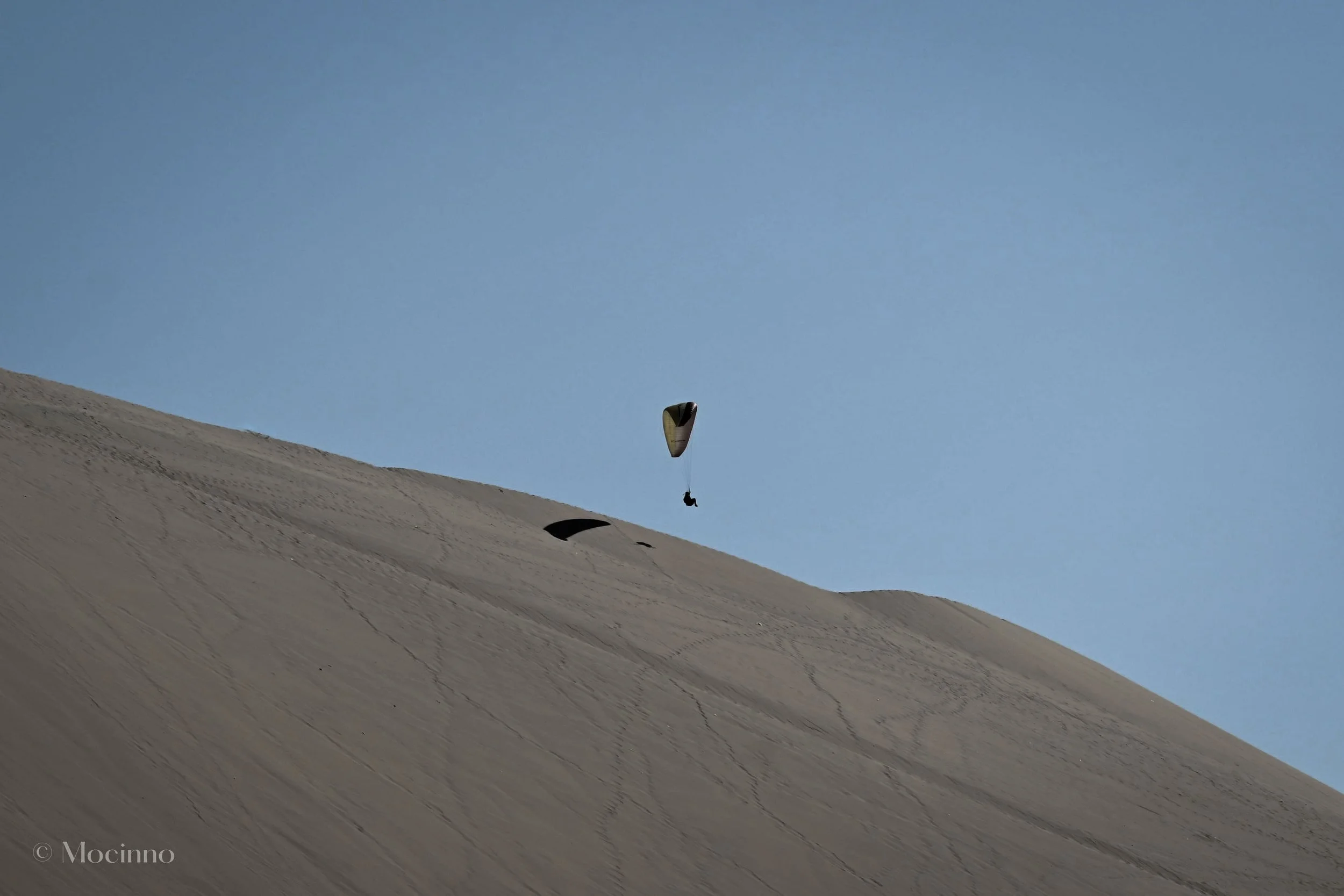
Huacachina Lagoon
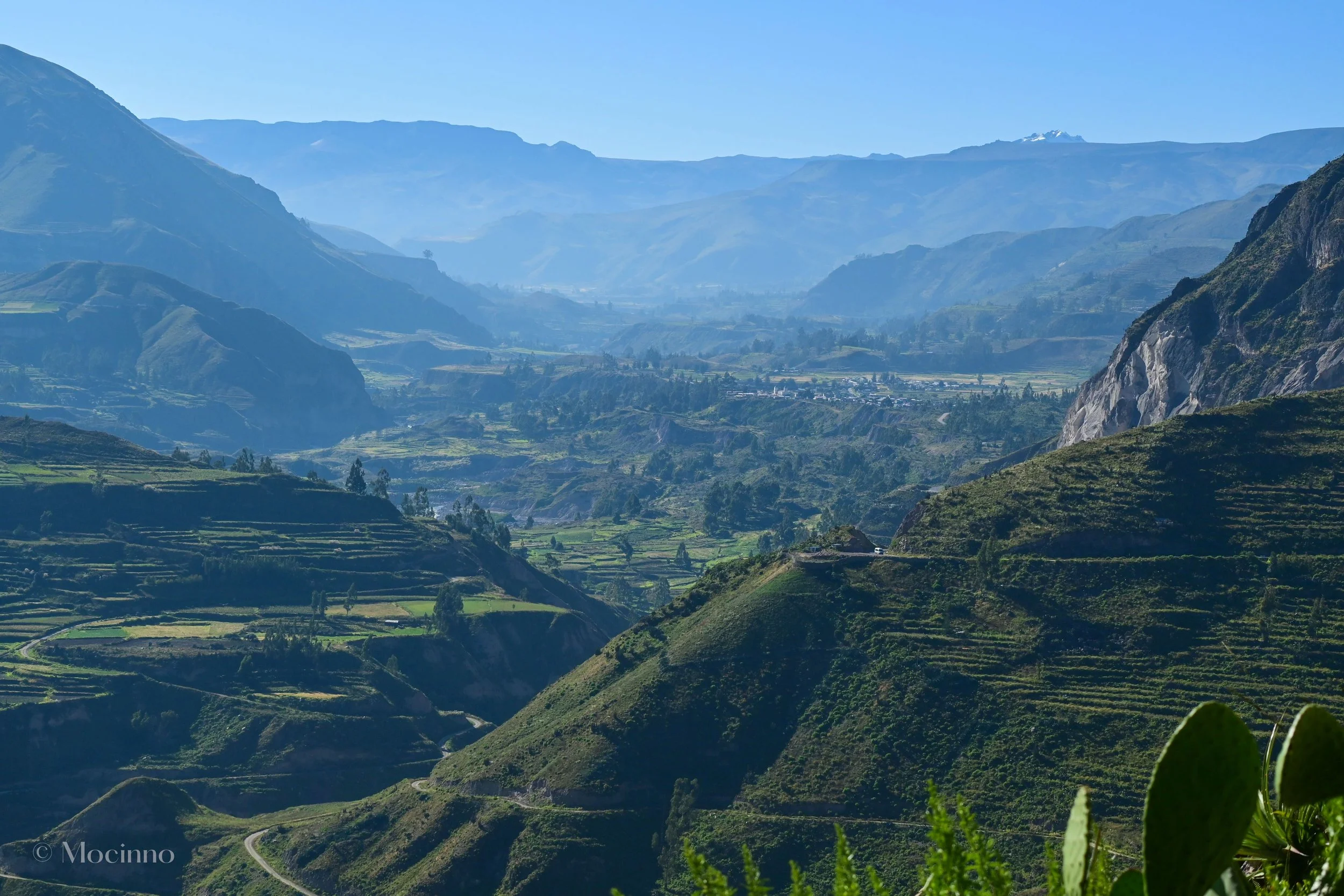
Cañón del Colca
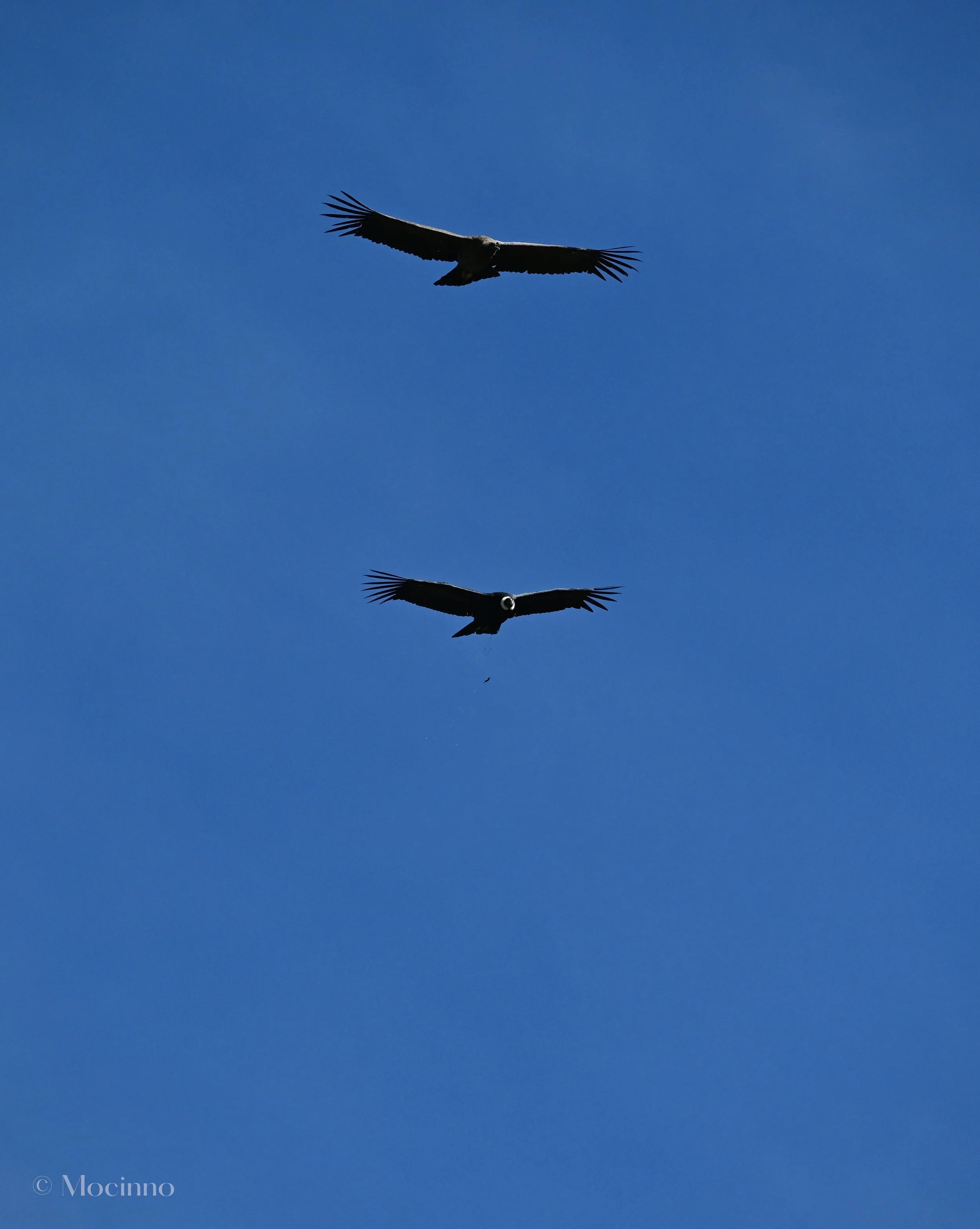
Andean Condor (Vultur gryphus), VU, Mirador Cruz del Cóndor, Cañón del Colca
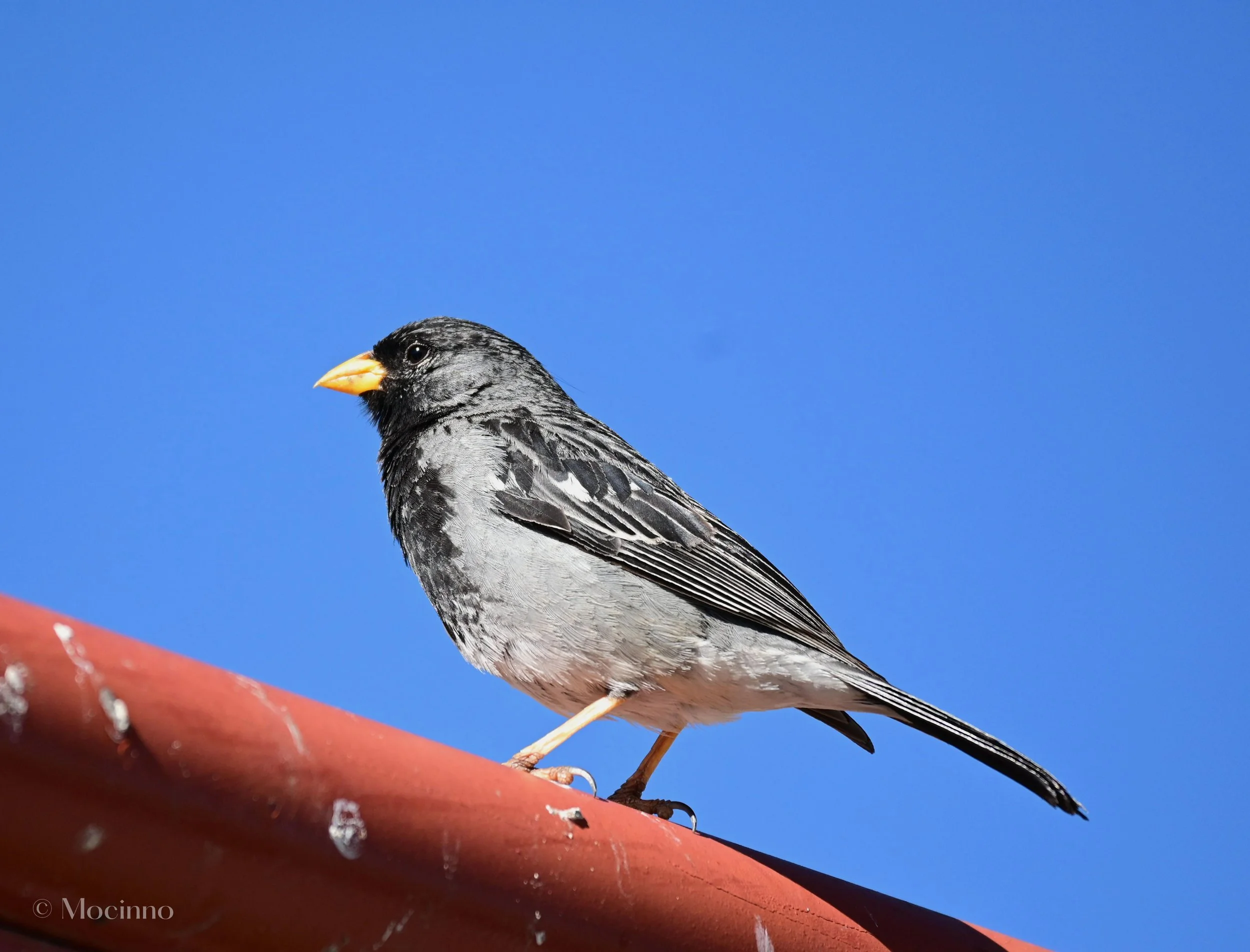
Mourning Sierra Finch (Rhopospina fruticeti), LC, Mirador Cruz del Cóndor, Cañón del Colca
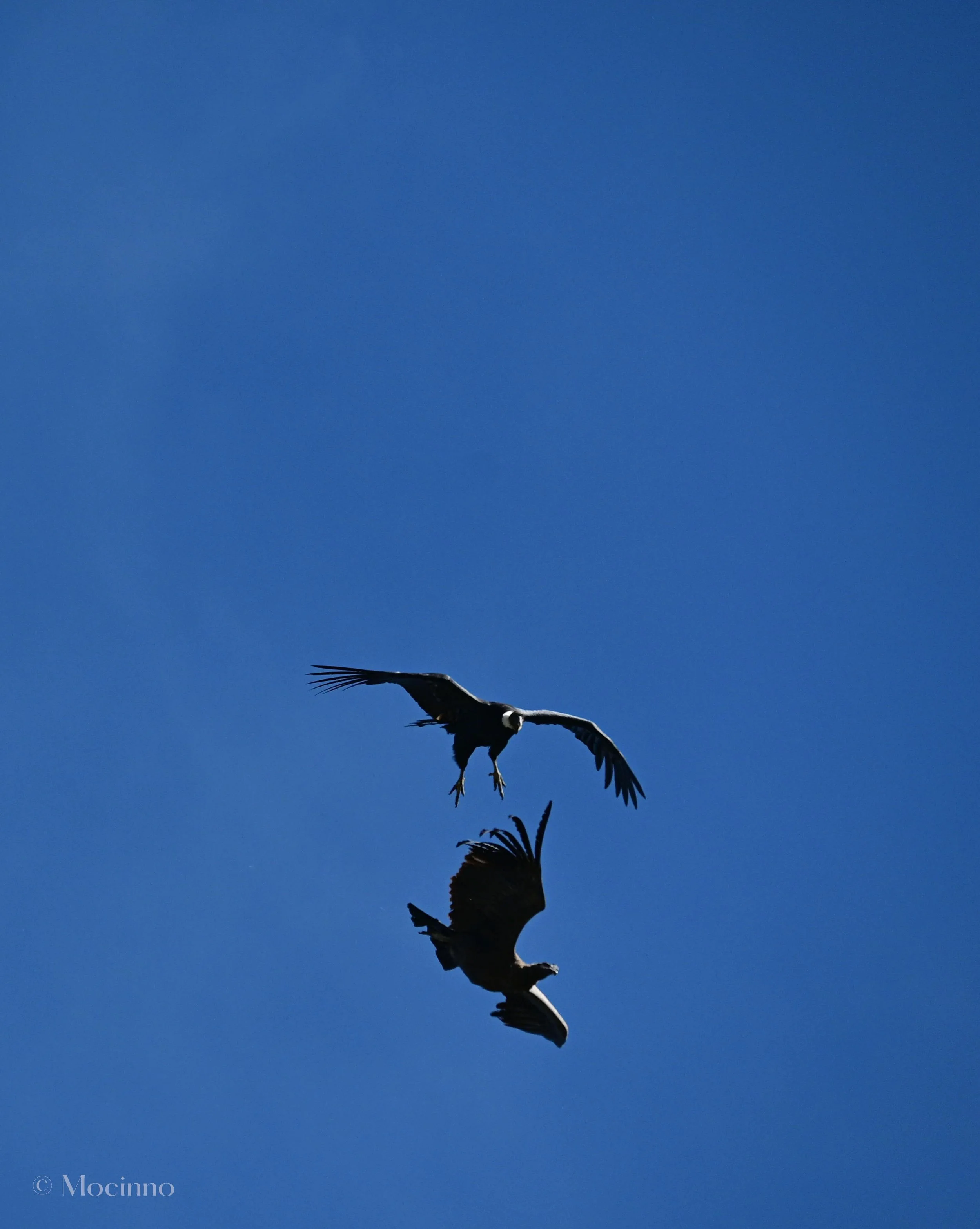
Andean Condor (Vultur gryphus), VU, Mirador Cruz del Cóndor, Cañón del Colca
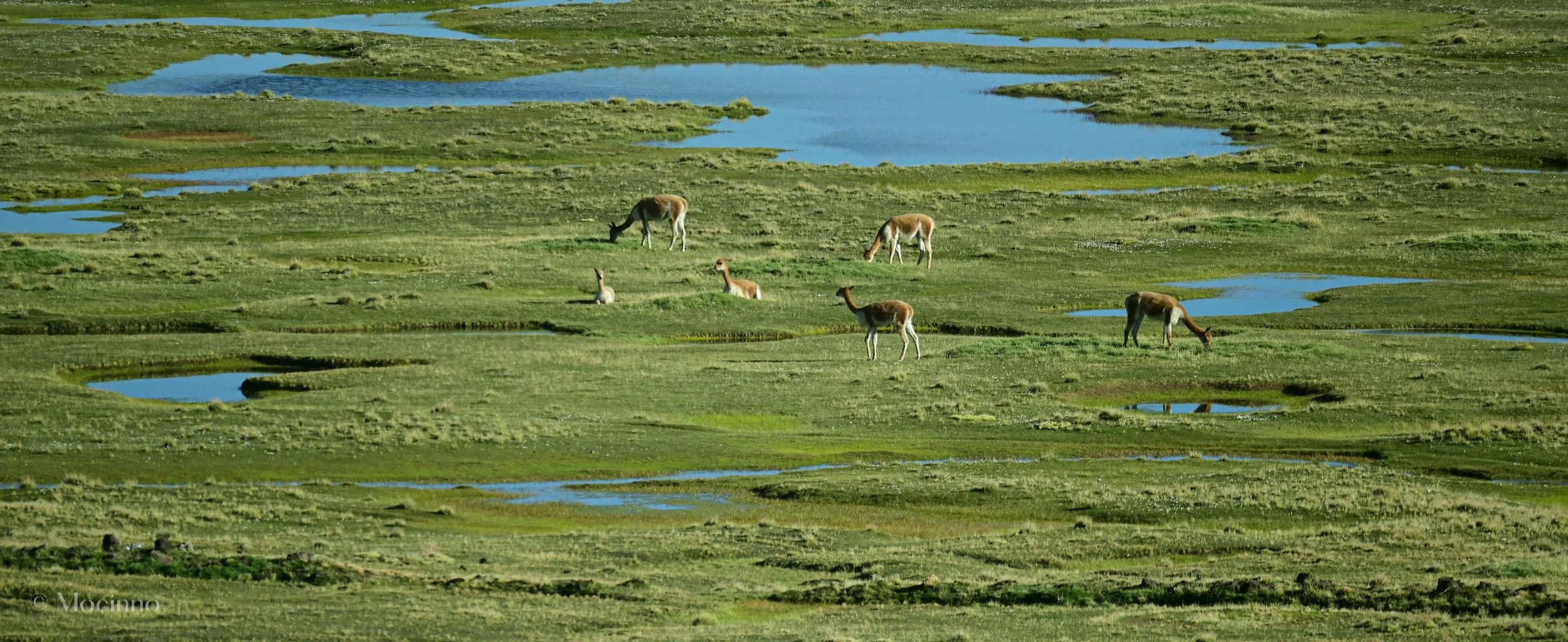
A herd of Vicuña (Lama vicugna), LC
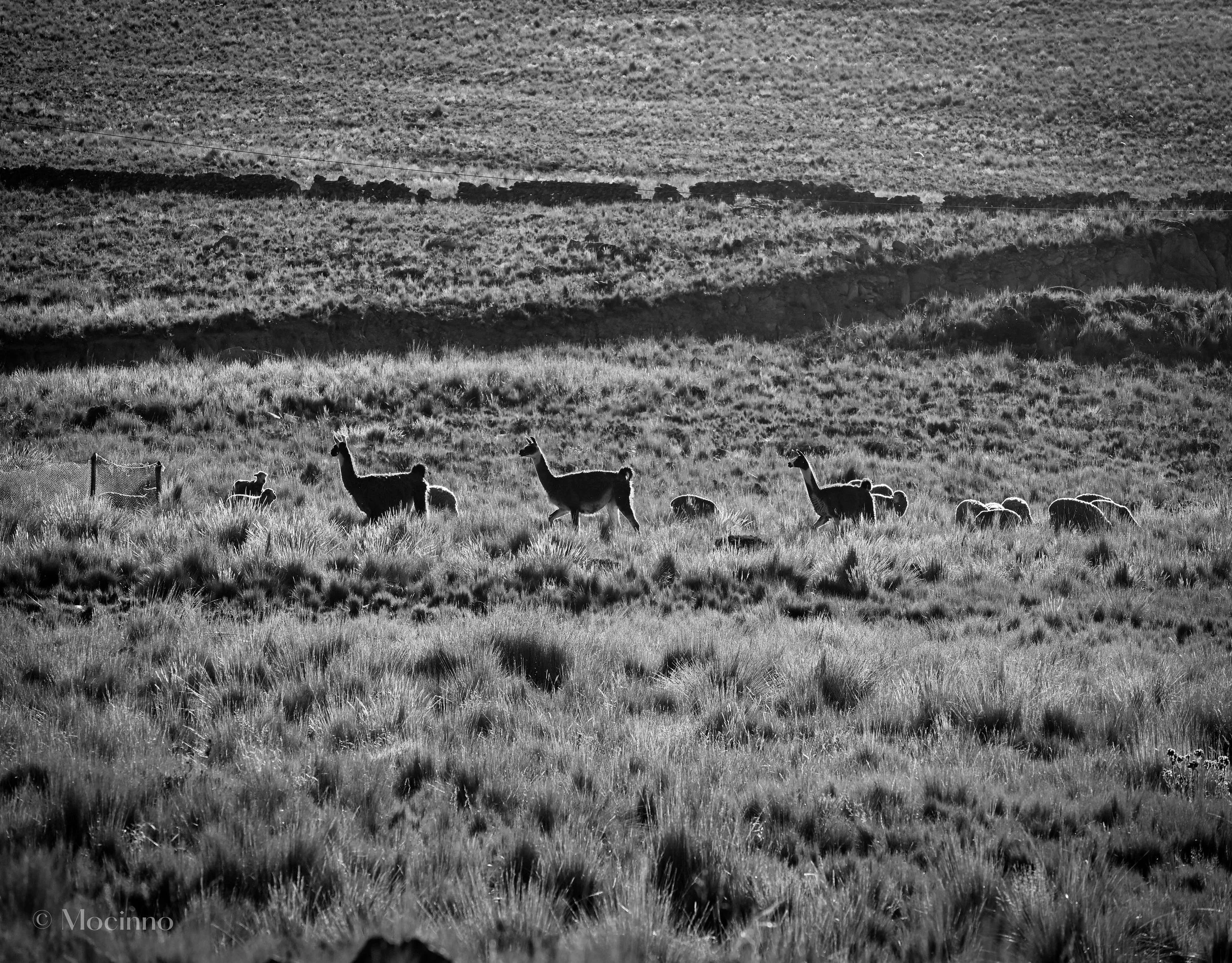
Llama (Lama glama), LC, Mirador Alto Lagunillas
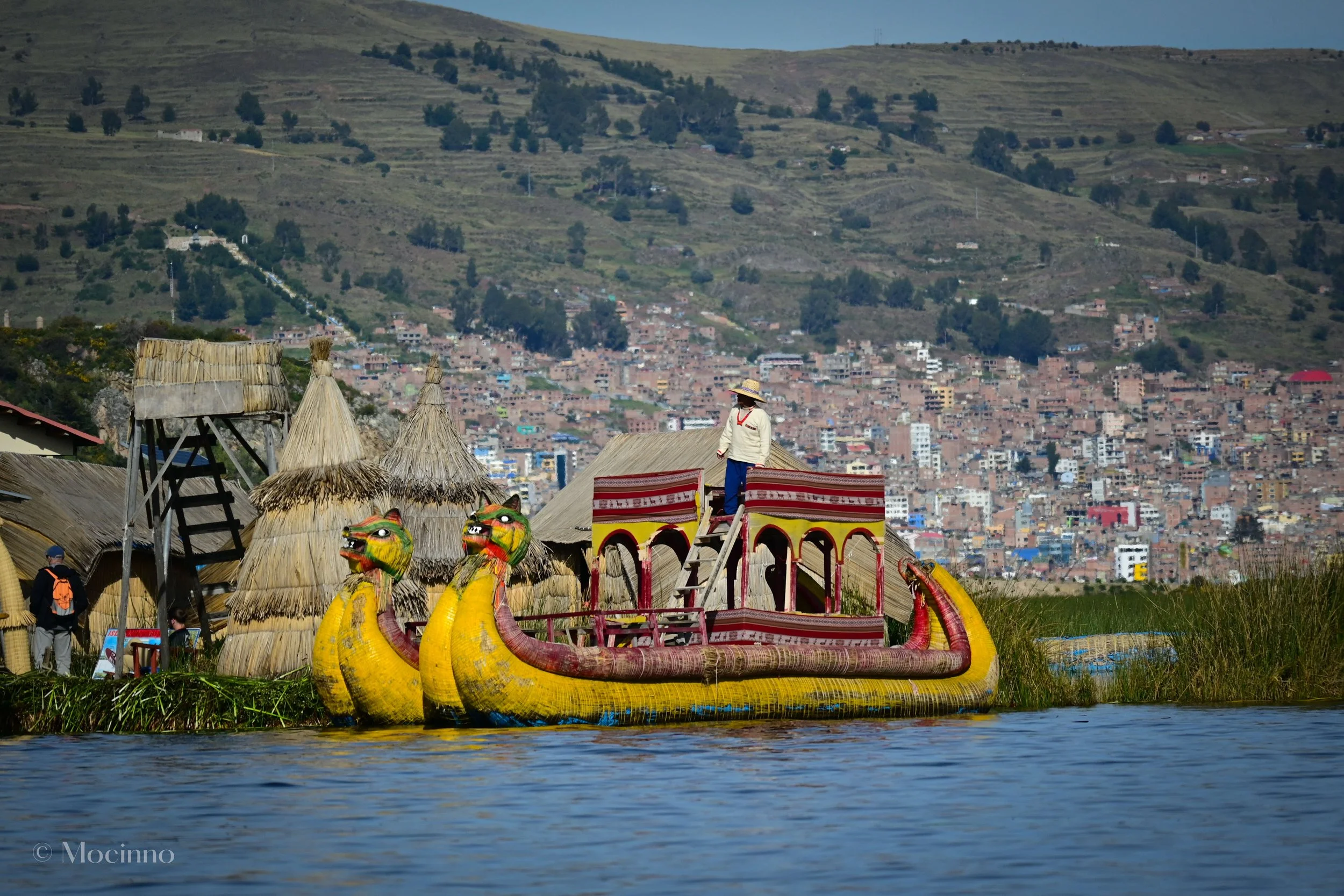
Islas de Los Uros, Floating Islands, Puno
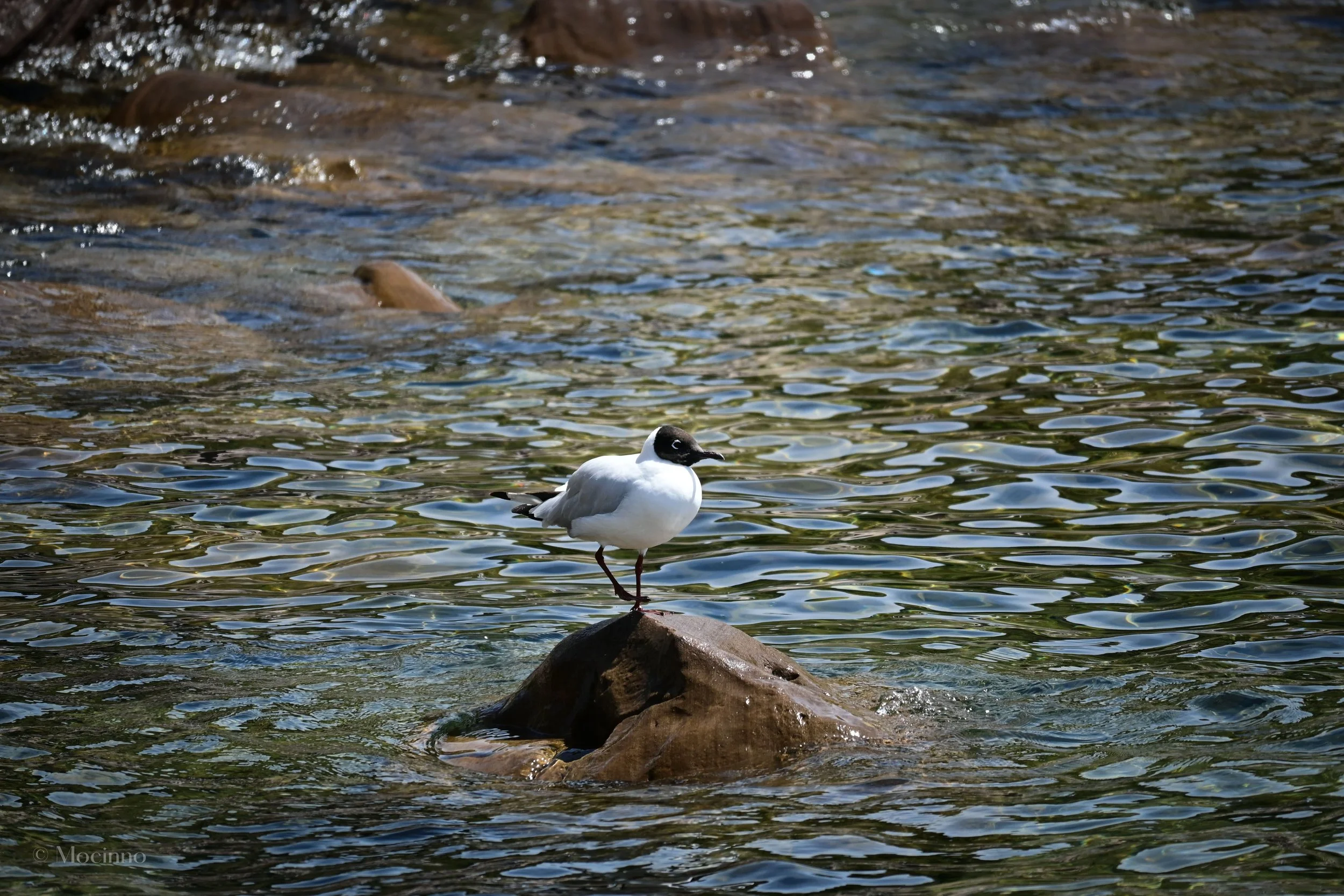
Andean Gull (Chroicocephalus serranus), LC, Puno
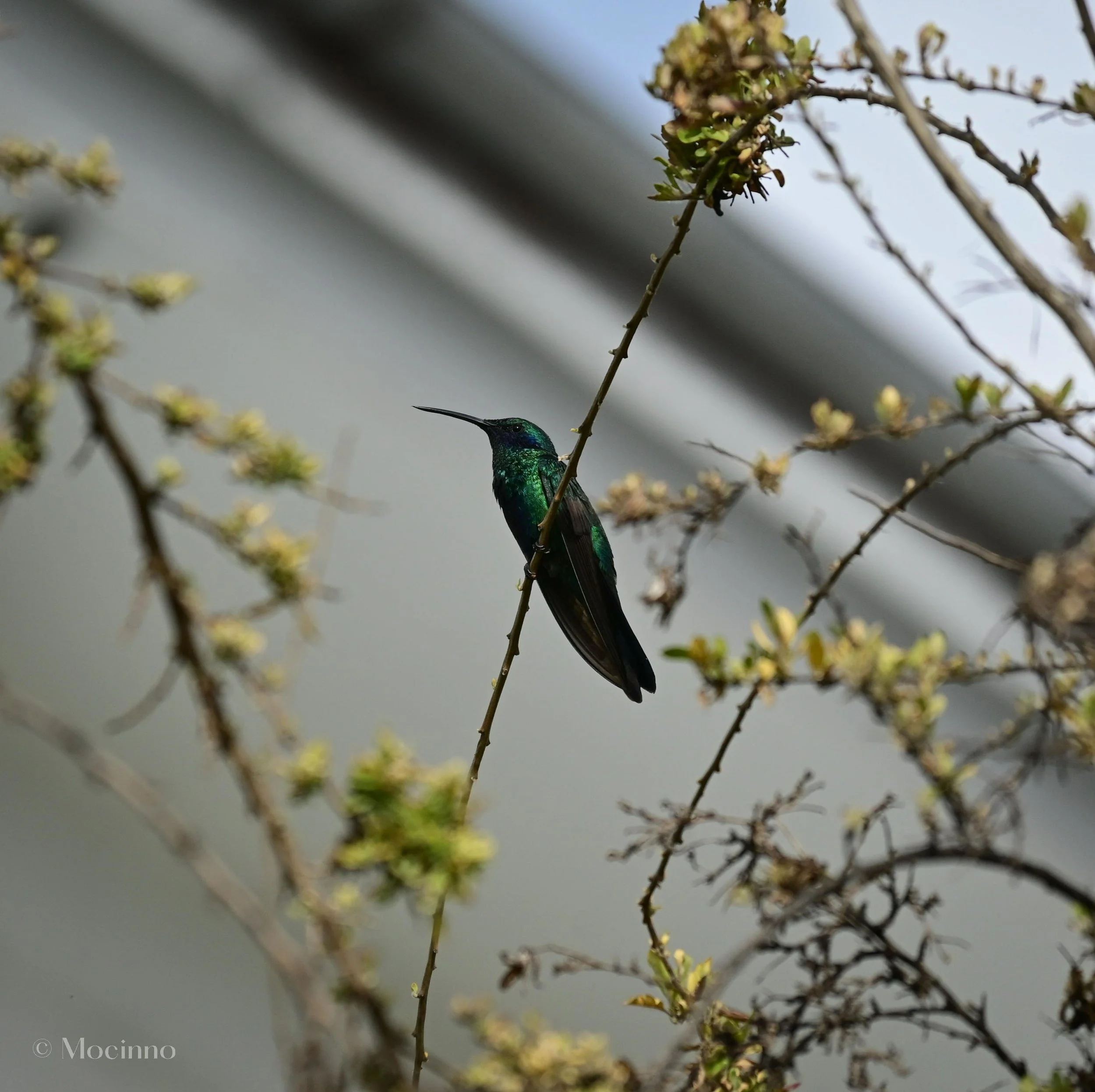

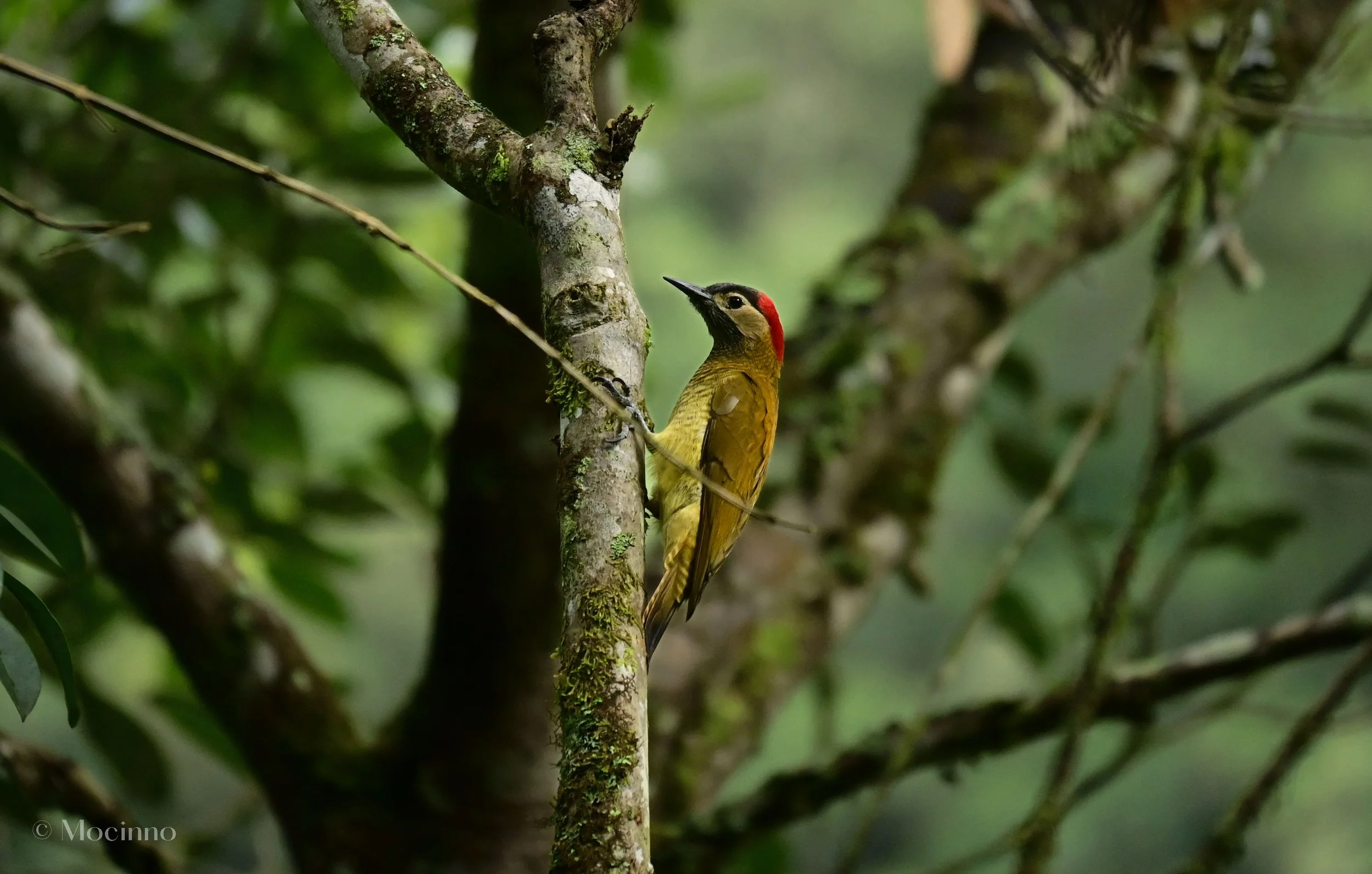
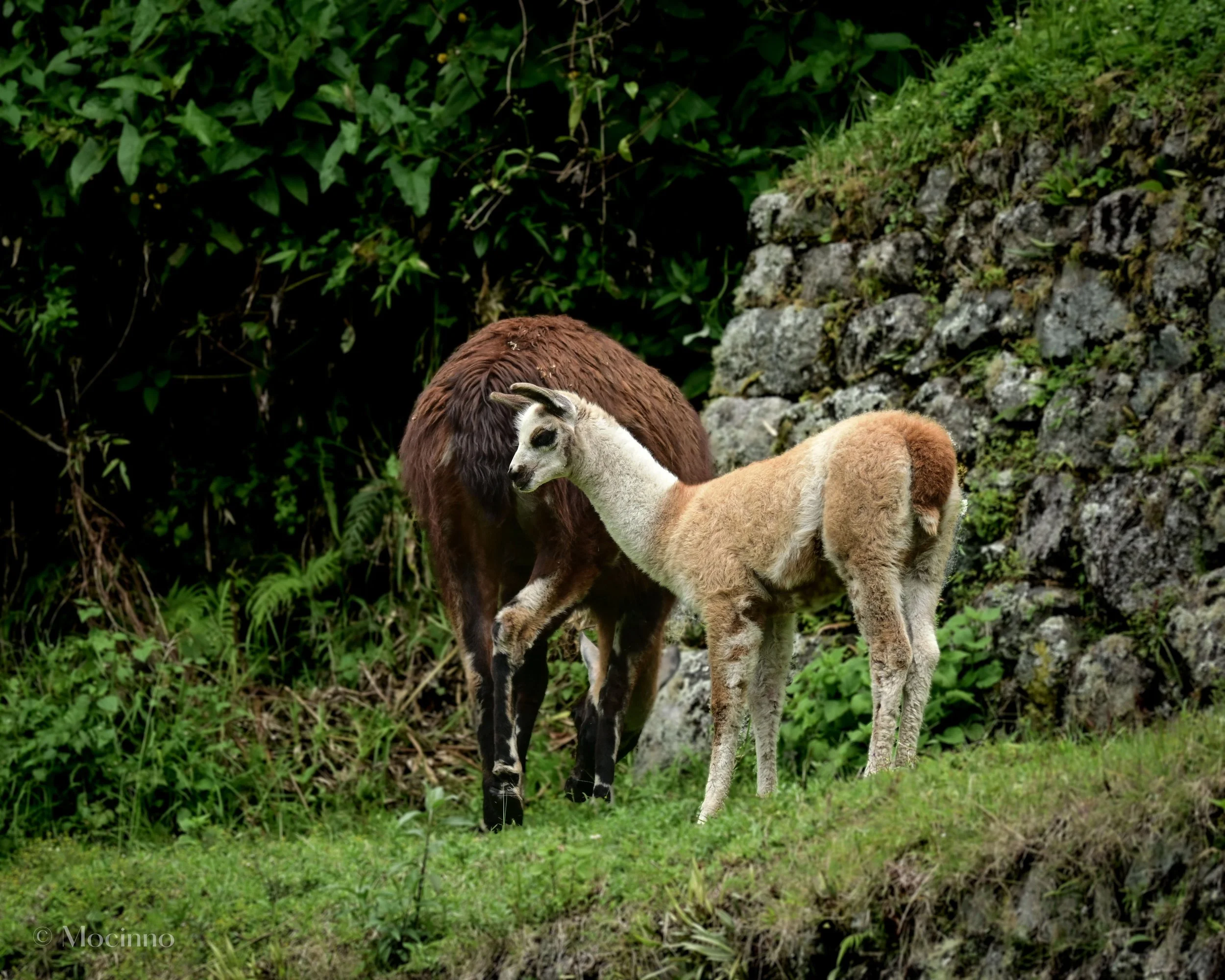
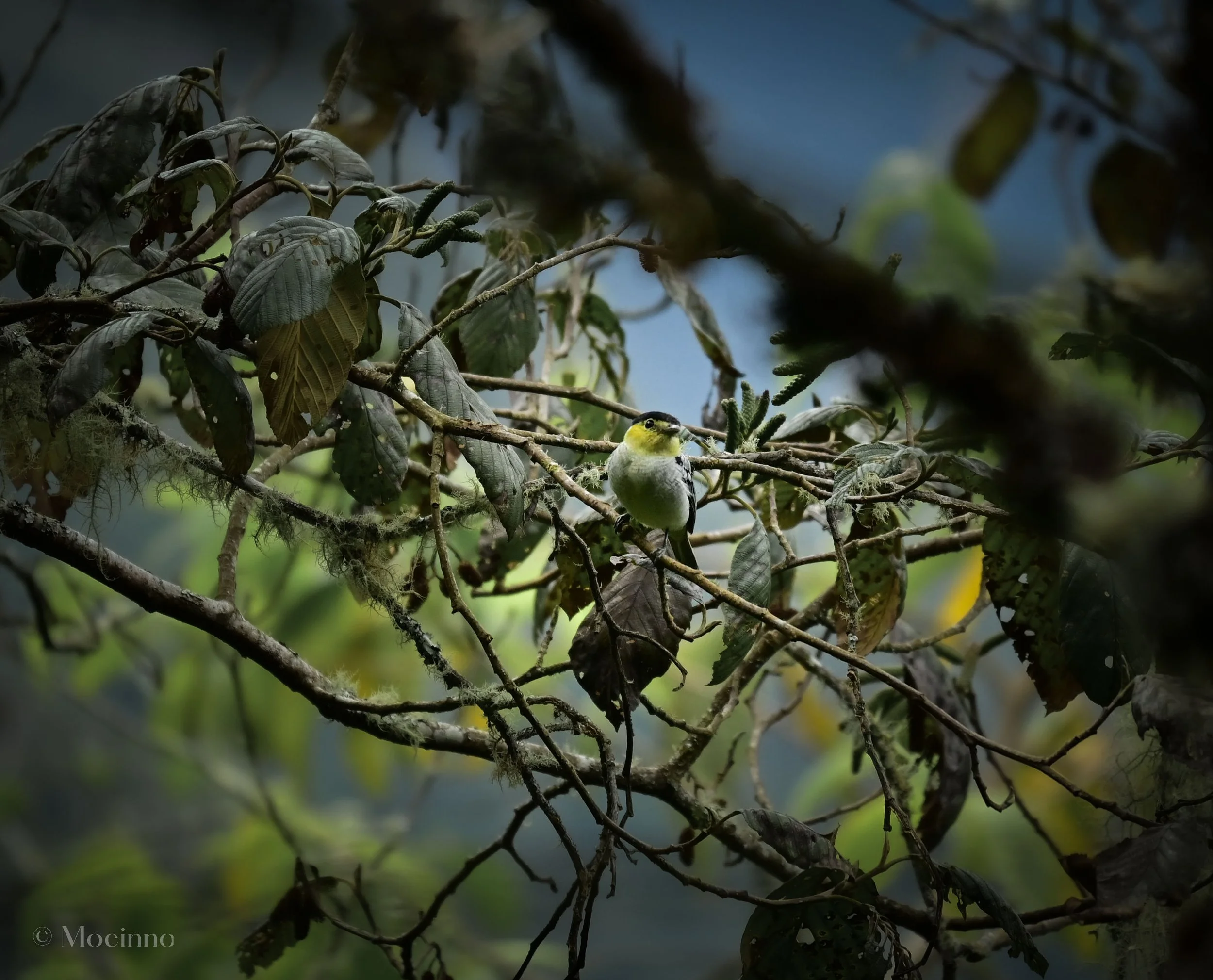
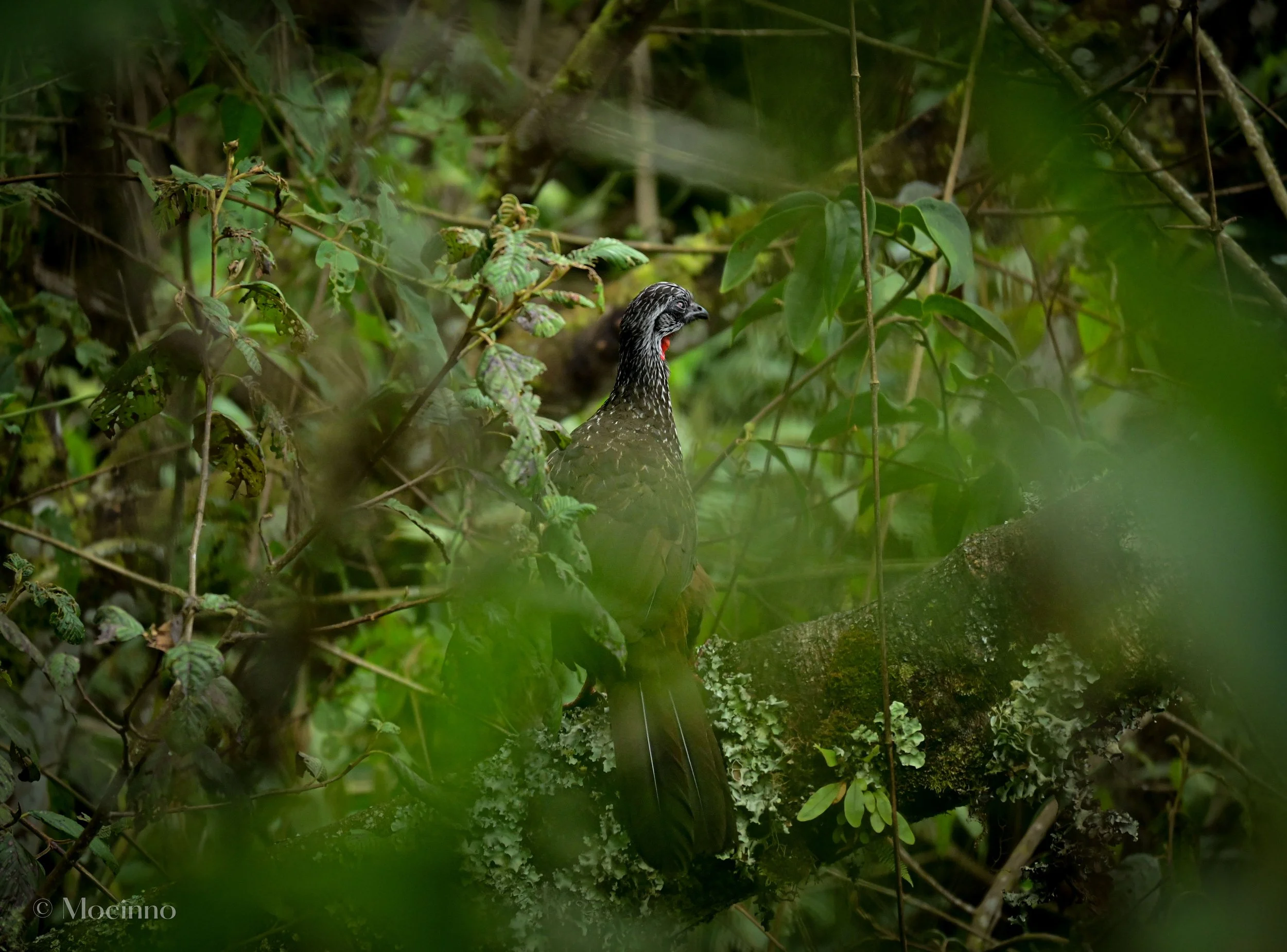
Andean guan (Penelope montagnii), LC, Inca Trail, Macchu Picchu
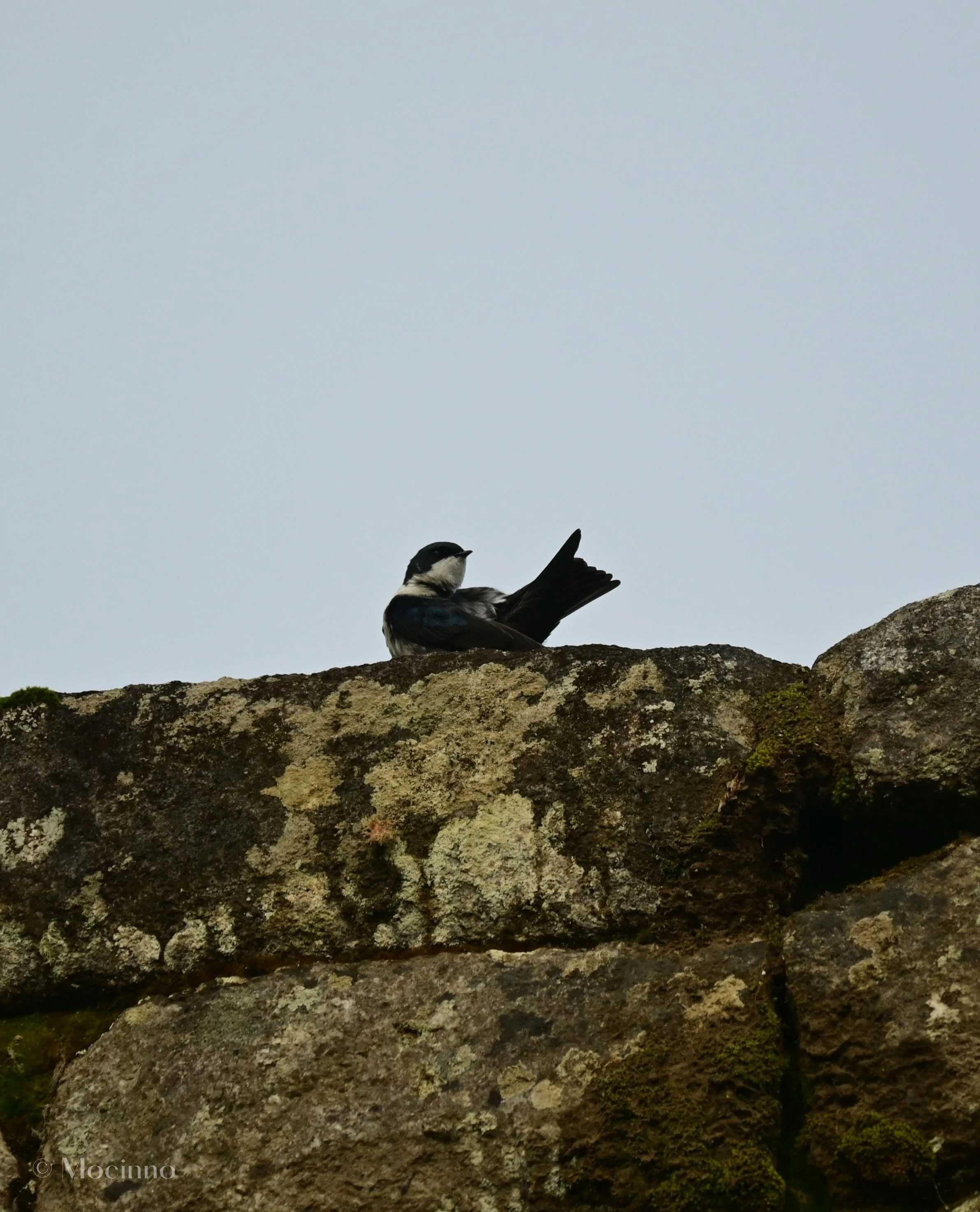
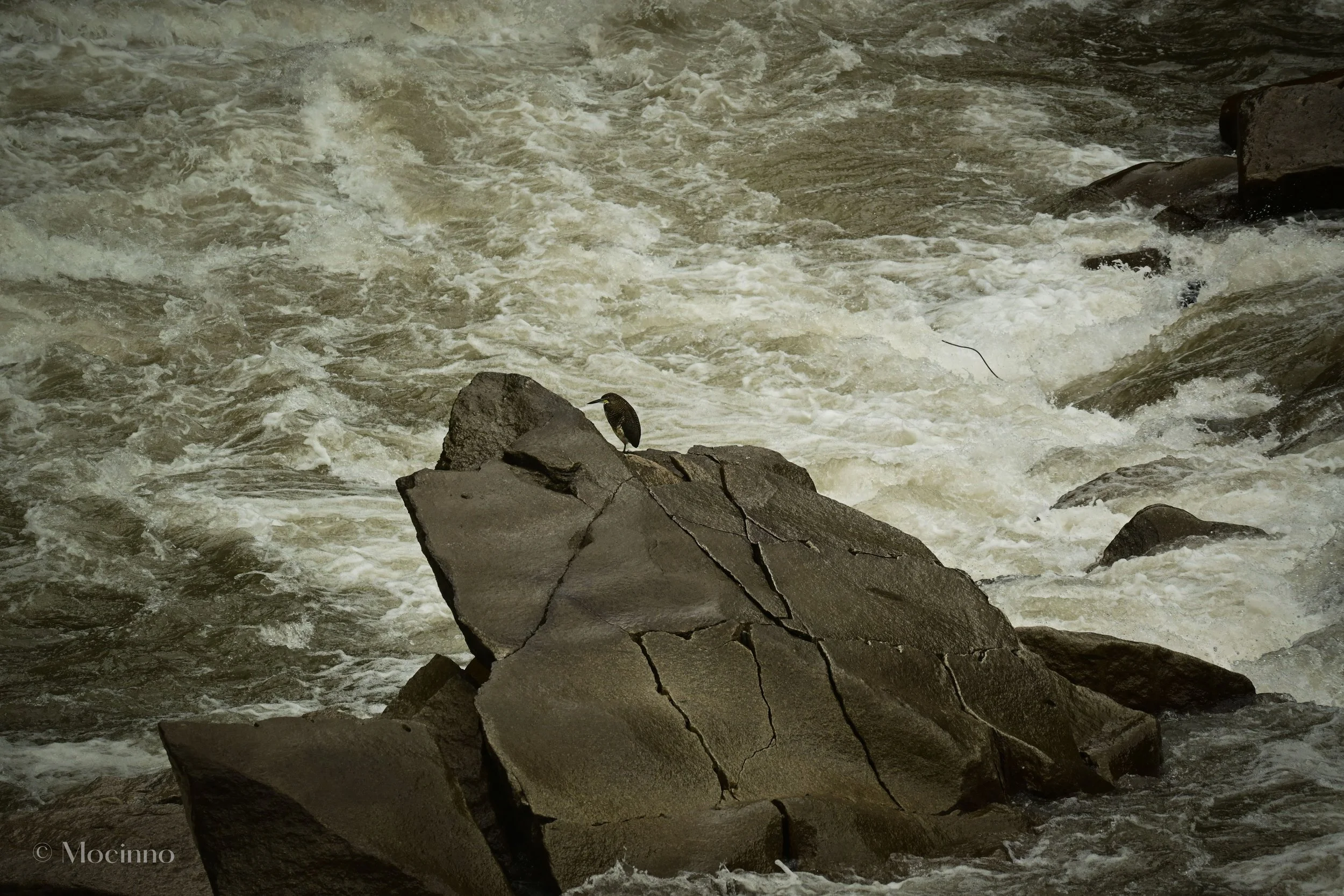
Urubamba River, Aguas Callientes
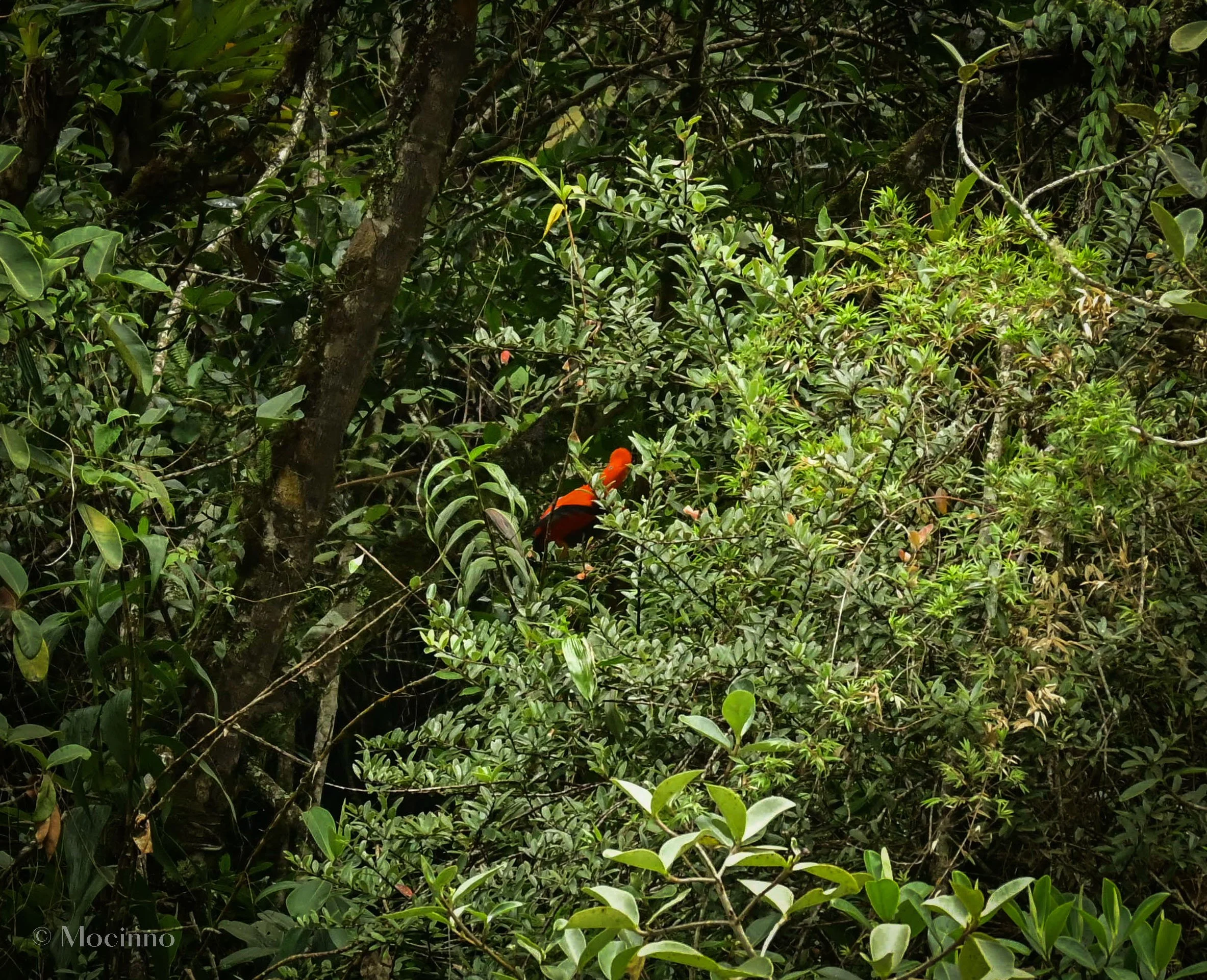
Cock-of-the-rock (Rupicola peruvianus), LC, Aguas Calientes
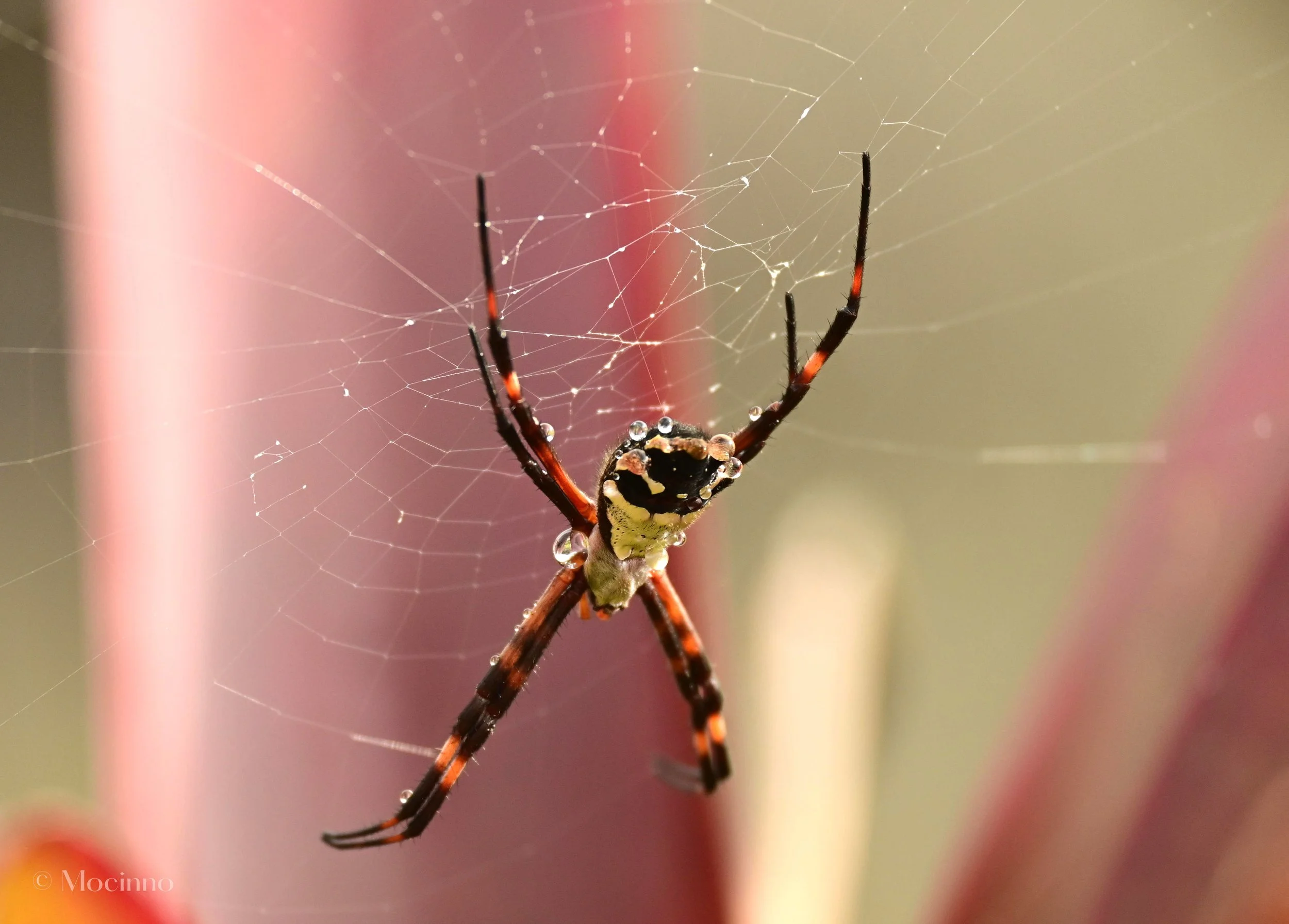
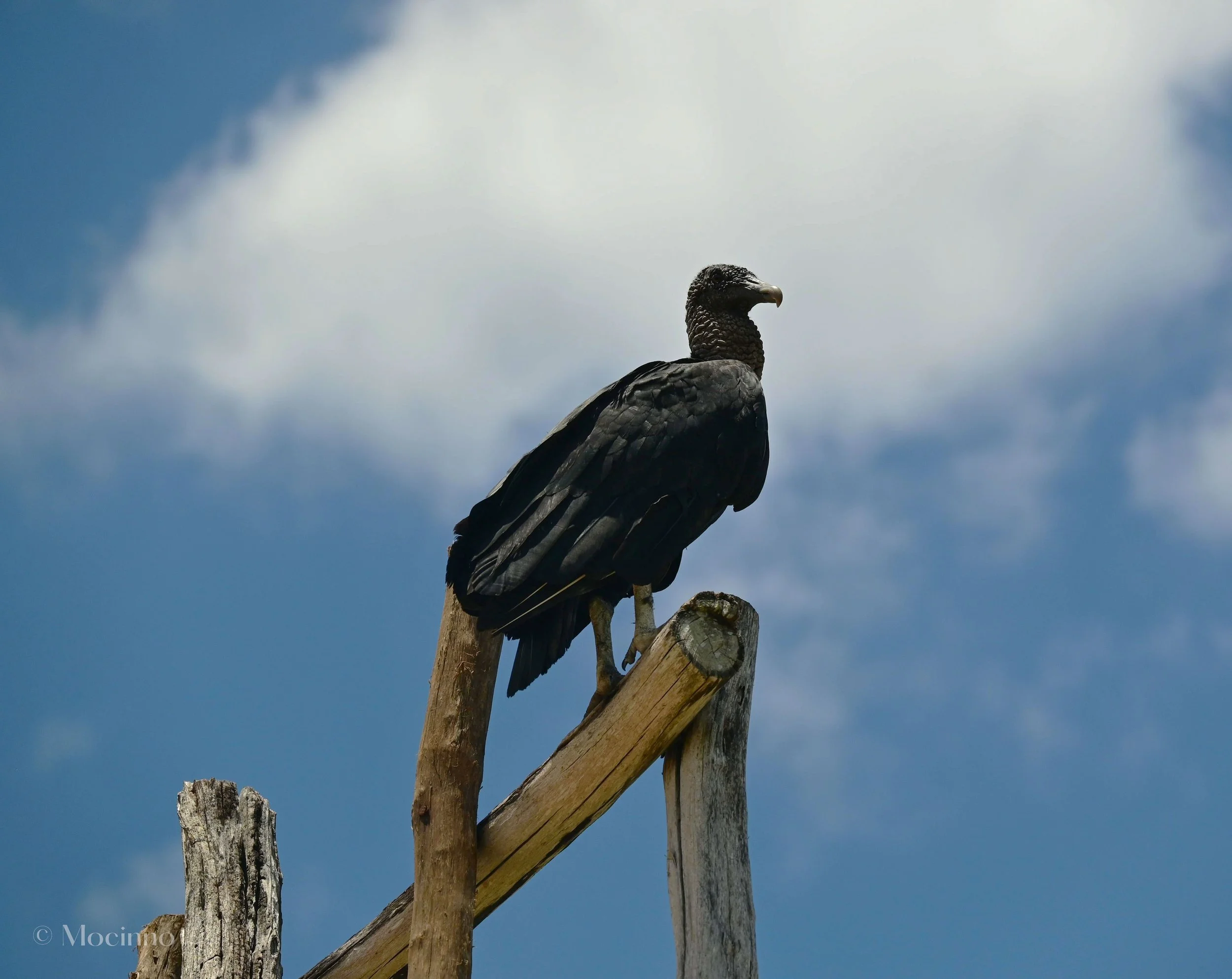
Black Vulture (Coragyps atratus), LC, Ekʼ Balam, Yucatán
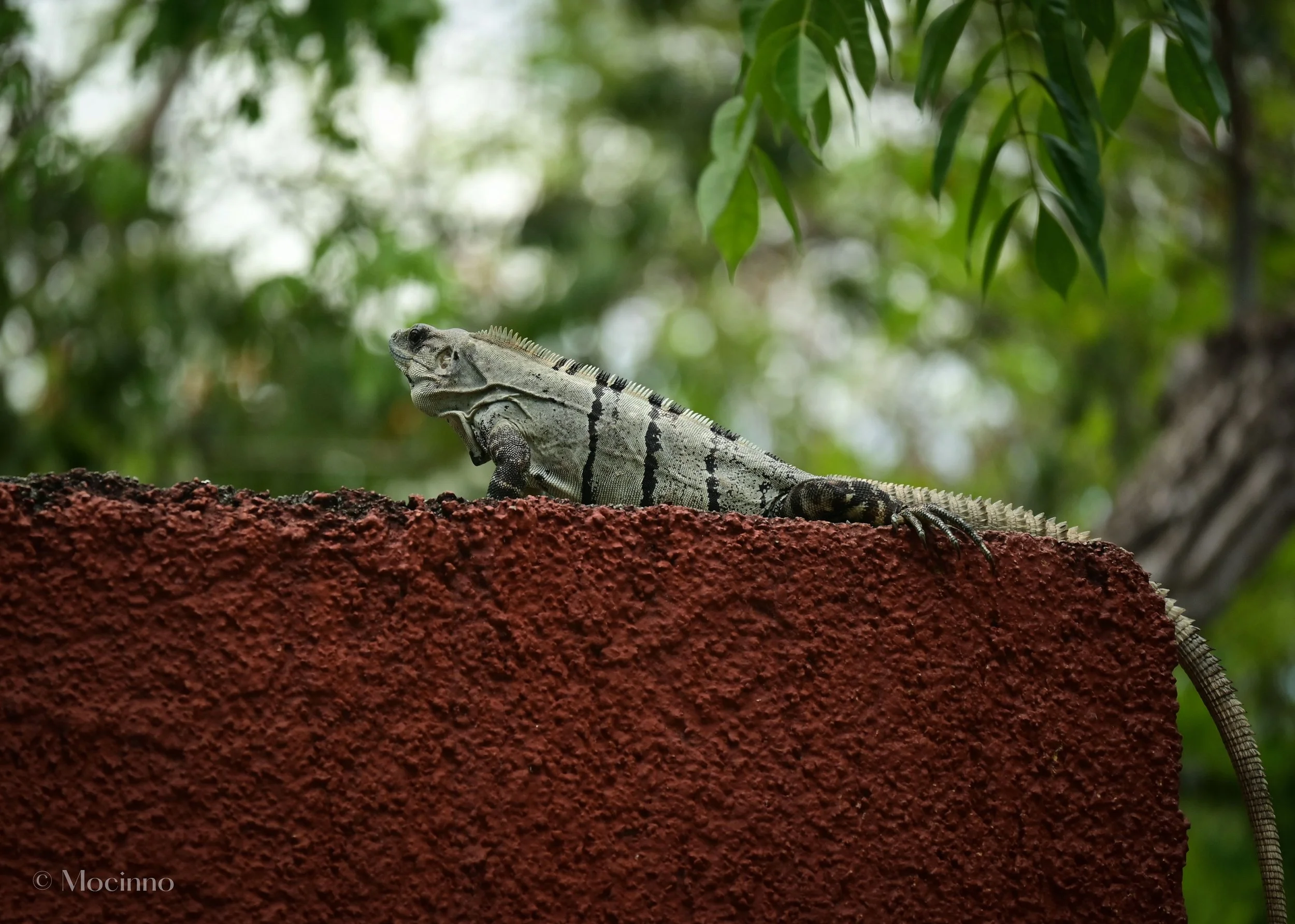
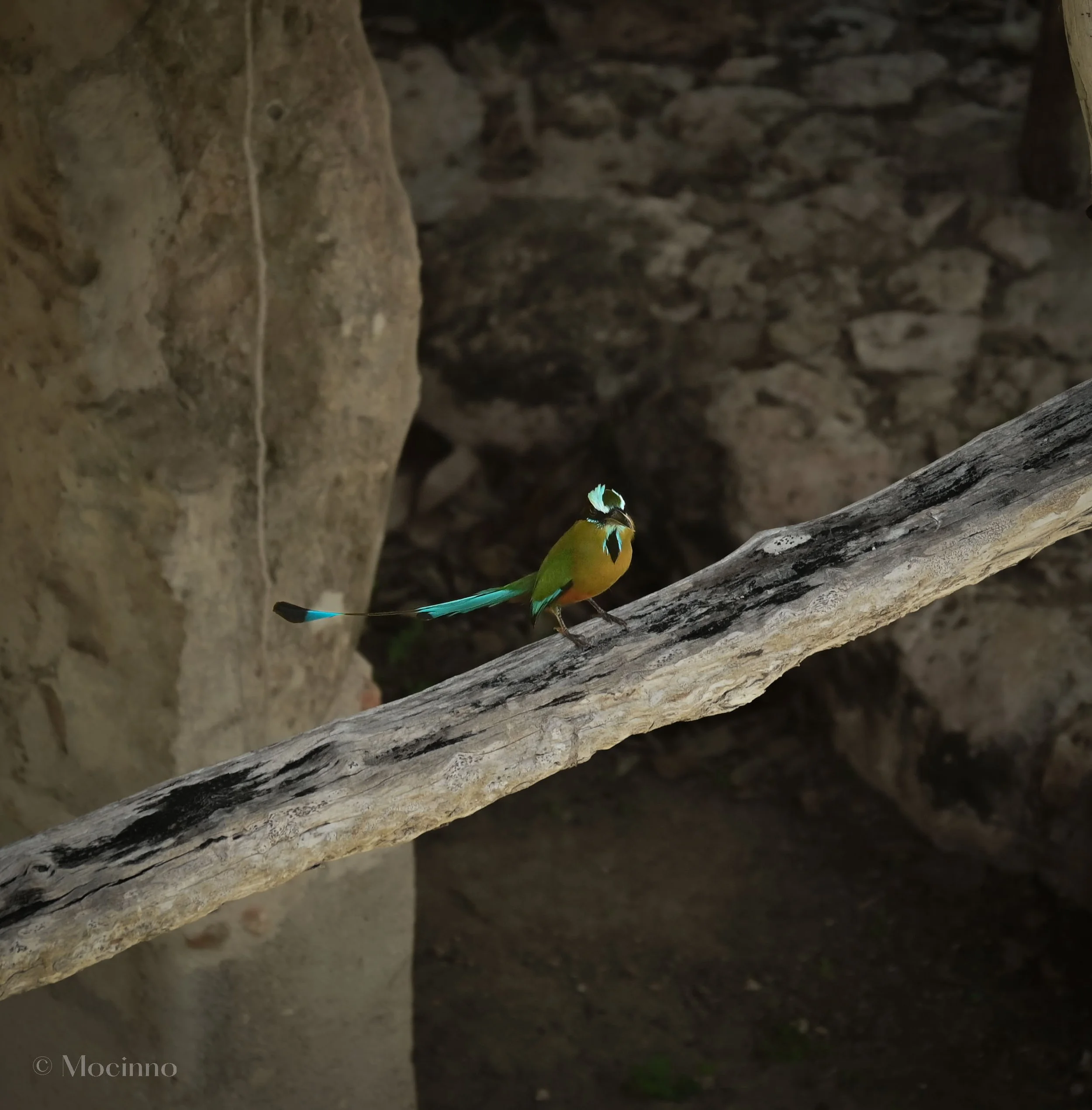
Turquoise-browed Motmot (Eumomota superciliosa), LC, Yucatán
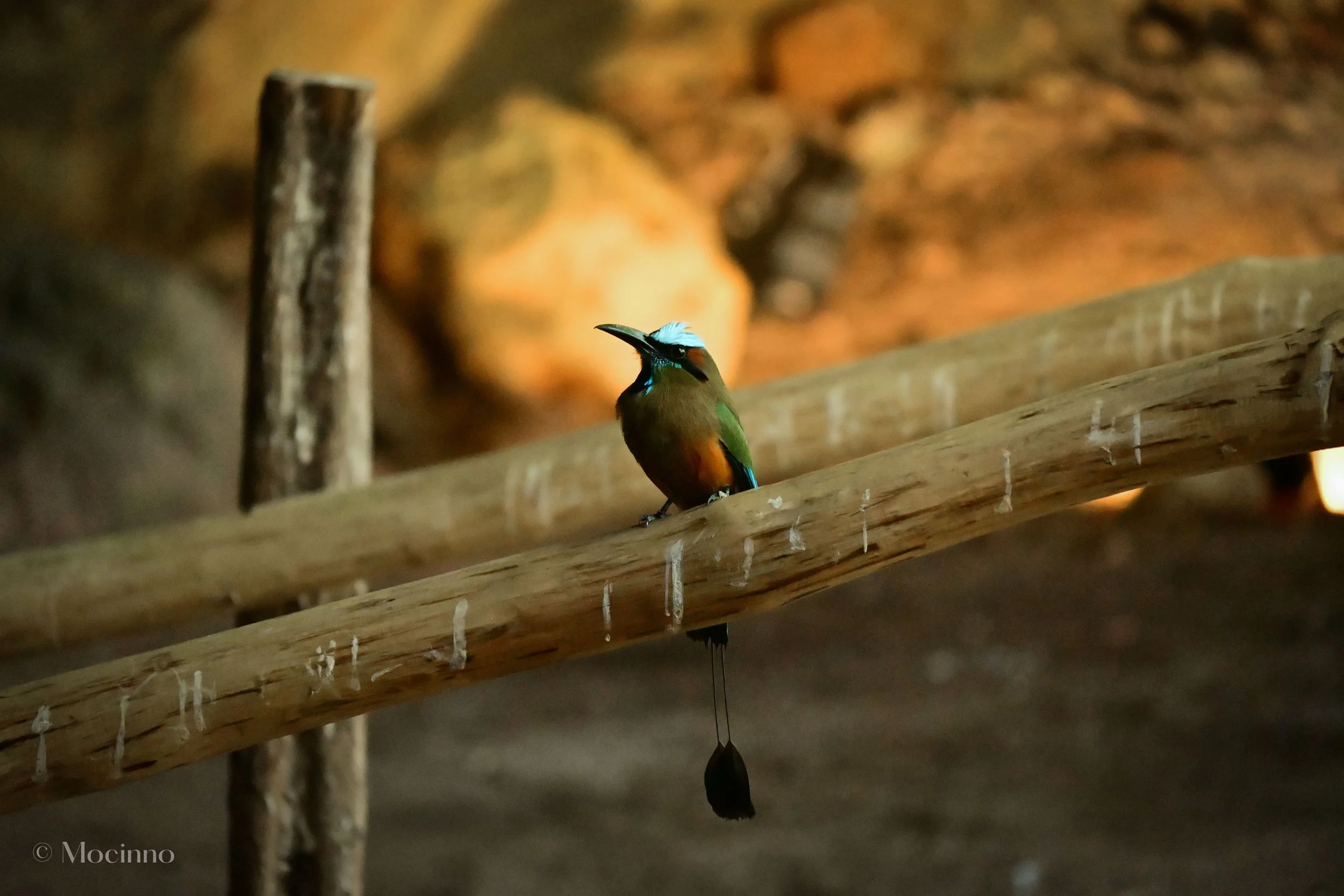
Turquoise-browed Motmot (Eumomota superciliosa), LC, Yucatán
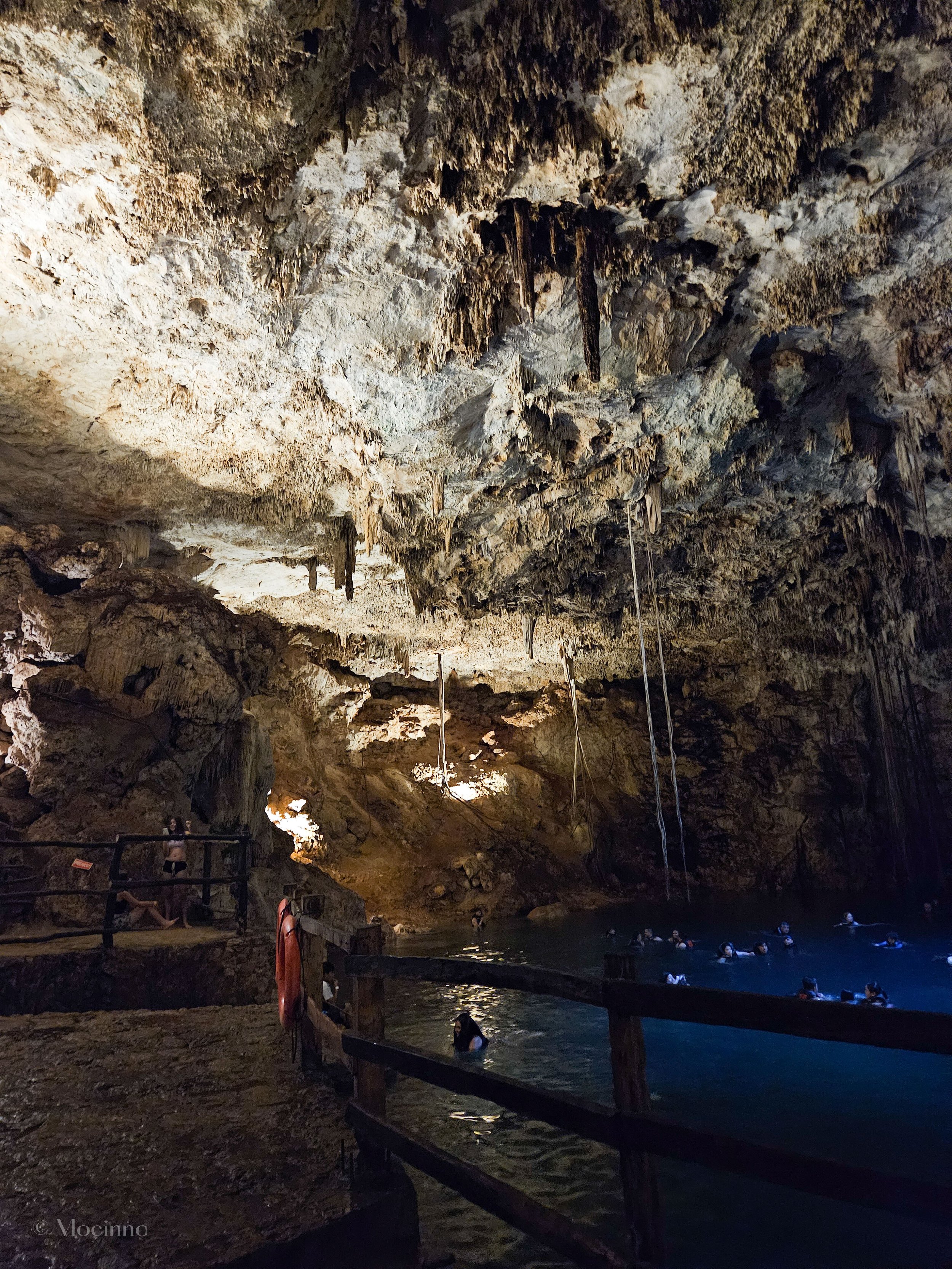
Cenote Dzitnup, Yucatán
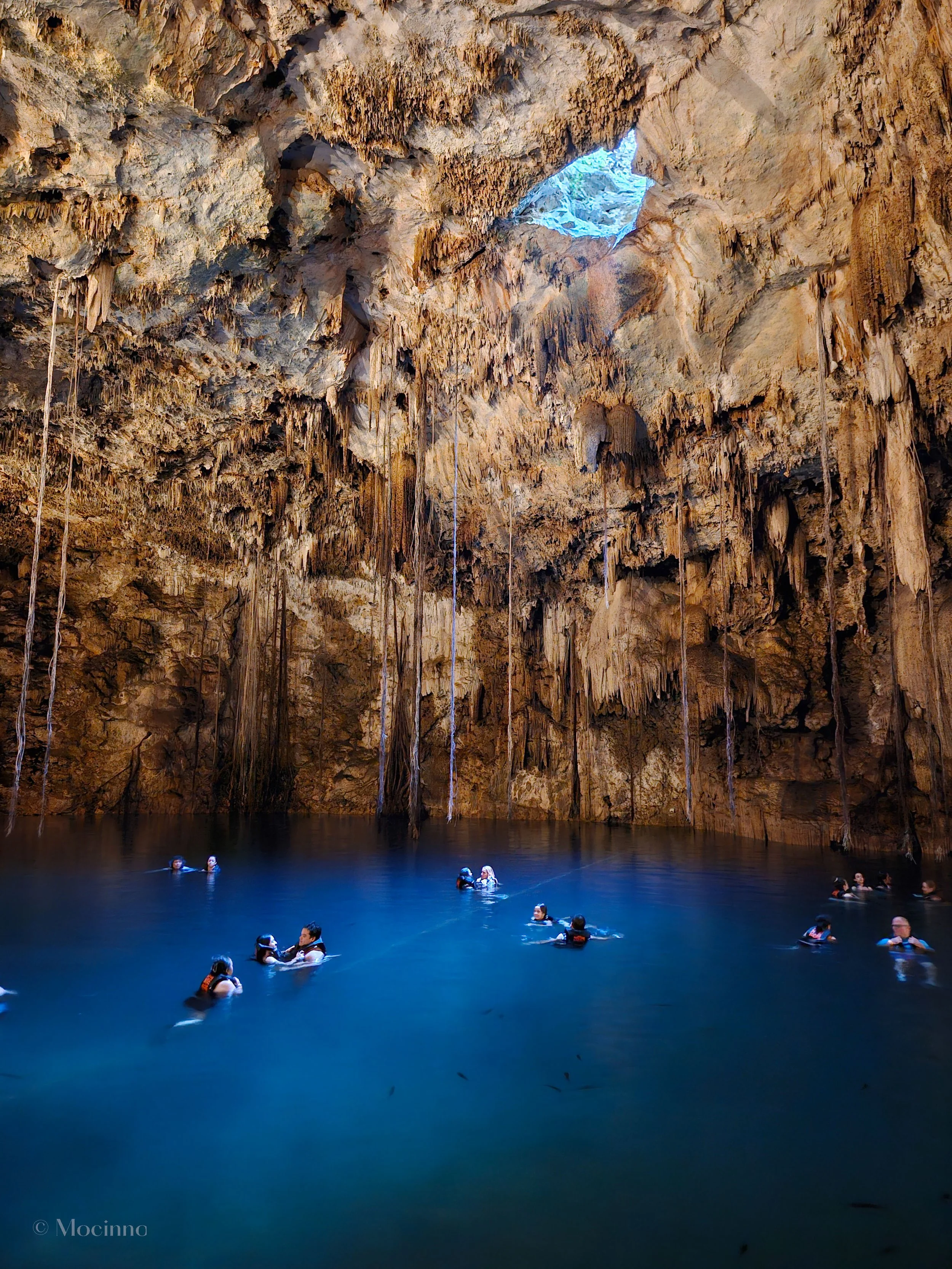
Cenote Dzitnup, Yucatán
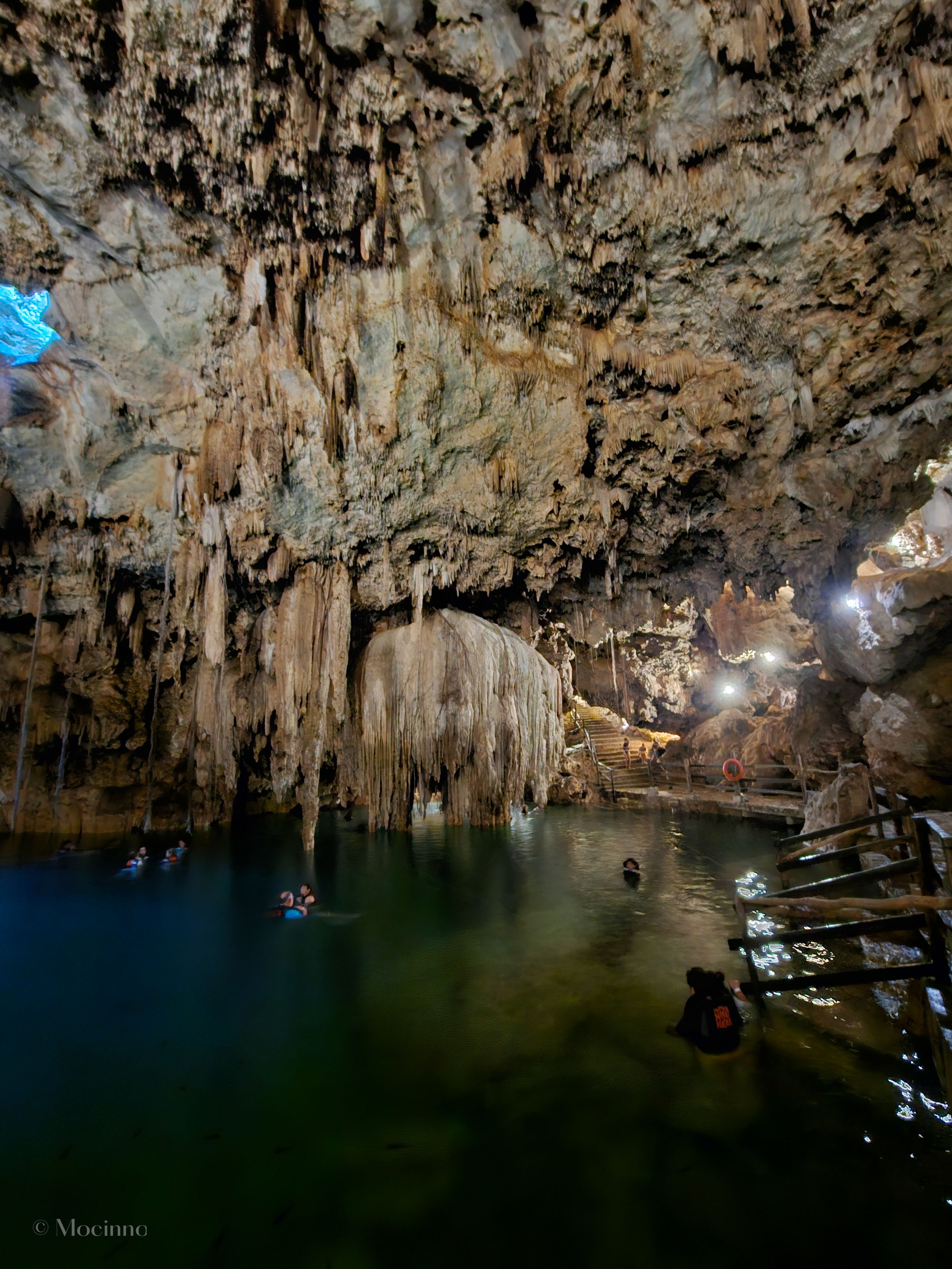
Cenote Dzitnup, Yucatán
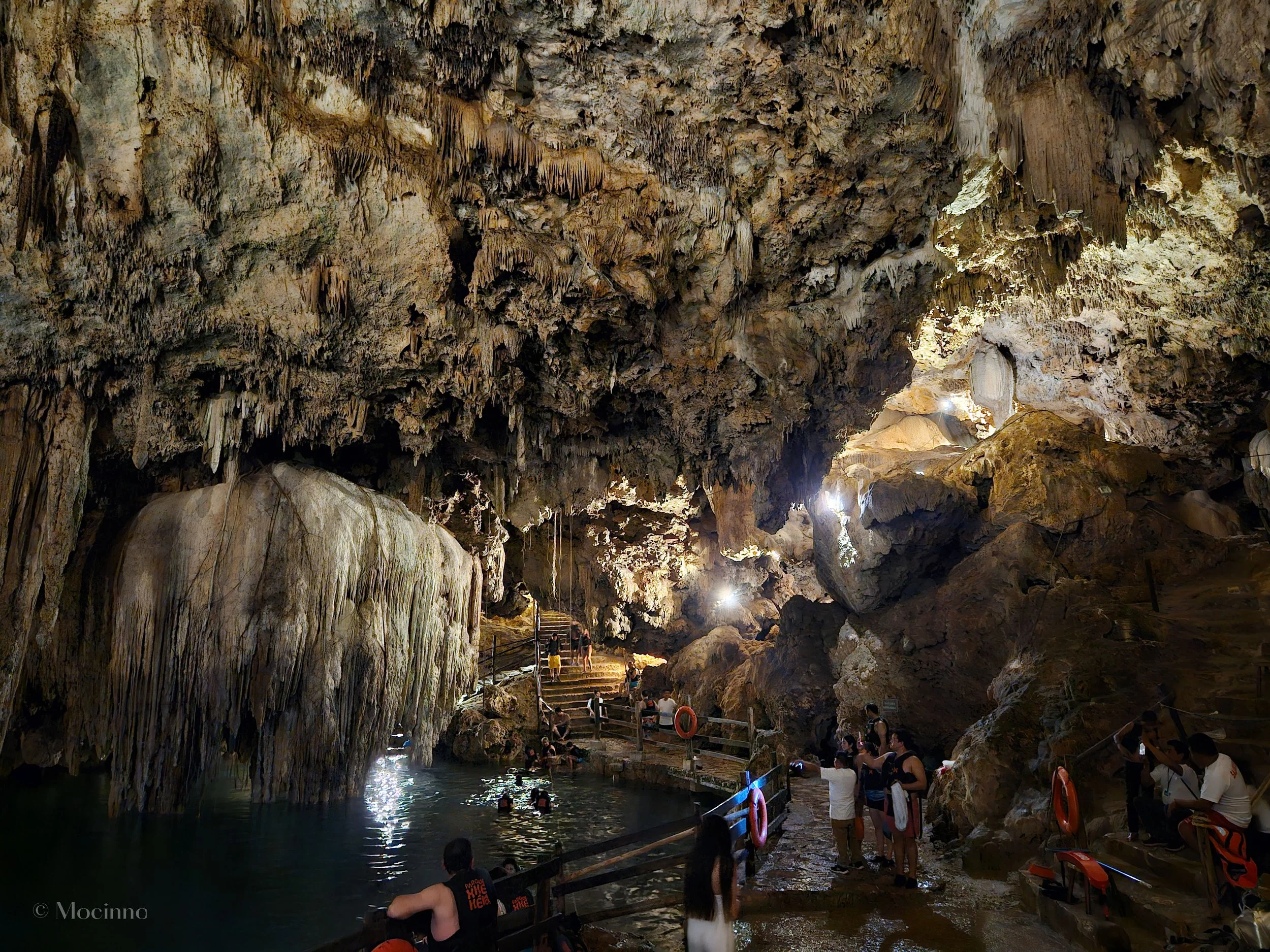
Cenote Dzitnup, Yucatán
Bibliography:
[1] Schulenberg TS, Stotz DF, Lane, DF, O’Neill JP, and Parker TA III (2007) Birds of Peru. Second Edition. Princeton: Princeton University Press.
[2] Gall TL (2003). Worldmark Encyclopedia of the Nations. Eleventh Edition. Thomas Gale, The Gale Group.
[3] Wildlife and Ecology. Report by the Embassy of Mexico in the United Kingdom.
[4] Data from 2024 of the Wildlife Network Organisation, Mexico. Access online: https://wildlandsnetwork.org.
[5] Geography of Mexico. Access online: https://bluegreenatlas.com/mexico.html.
[6] Estrategia Nacional de Diversidad ,AL 2021, Plan de Acción 2014 - 2018. Ministerio del Ambiente. Available online: https://www.cbd.int/doc/world/pe/pe-nbsap-v2-es.pdf.
All image captions printed in the following format: Species’ Common Name (where applicable), (Scientific name), IUCN Red List Status, Location, Country