Europe
In this section:
Studies | Additional Projects | Conservation | Gallery
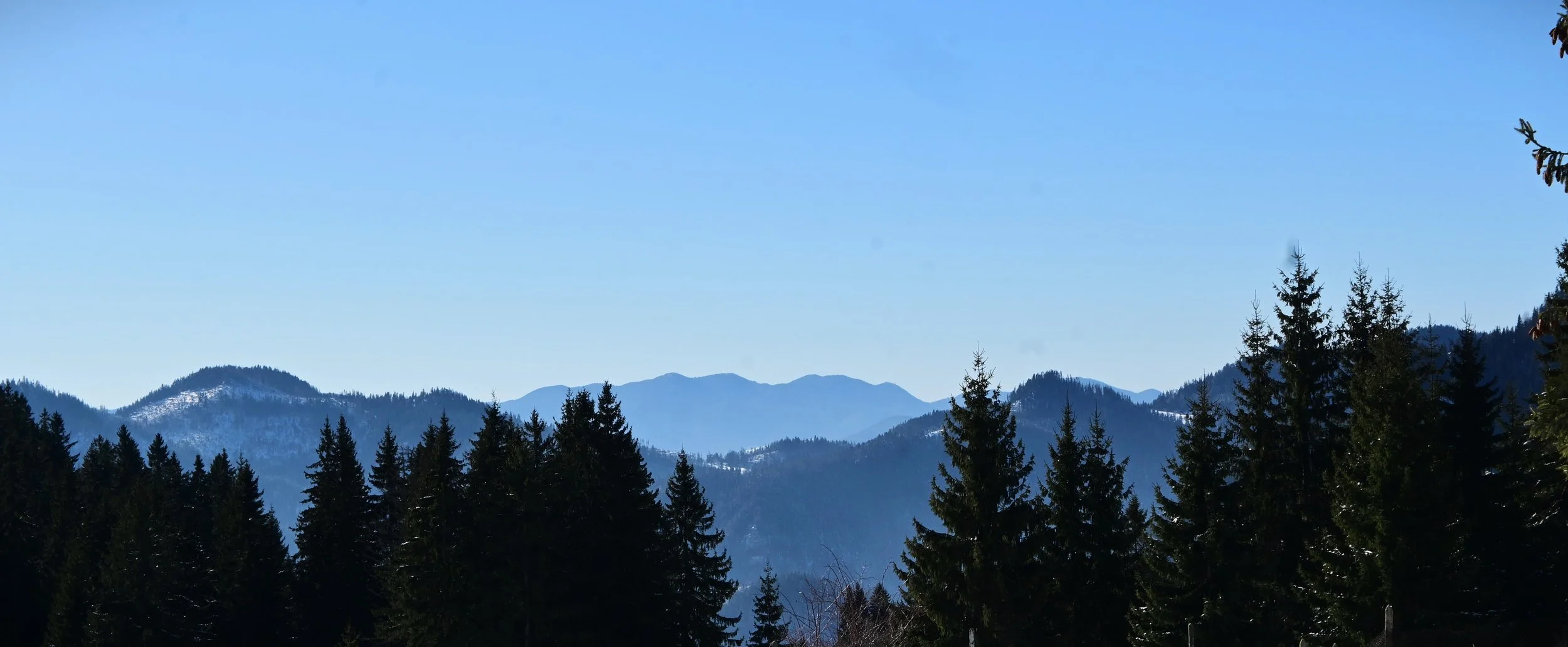
View of The Rhodope Mountain Range, Smolyan Lakes, Bulgaria

Located between the freezing polar North and the hot Mediterranean in the south, the European continent encompasses a diverse range of biomes: tundra, taiga, montane forest, temperate broadleaf forest, Mediterranean forest, temperate and dry steppe. This variety supports a rich array of wildlife, with thousands of plant and animal species adapted to different environments. Europe’s rivers, like the Danube River, and mountain ranges, like the Alps, contribute to its ecological richness and diversity.
The continent plays a significant role in the bird migration cycle, hosting over 900 bird species across its territory. Each year, millions of birds travel between Europe and Africa along major flyways, moving south to Africa to avoid the harsh European winters, and returning back north to breed. Migration requires precise navigation, using the sun, stars, and Earth’s magnetic field, as well as significant energy reserves.
Studies
My master’s degree focused on the understanding of the dynamics in social birds and the evolution of cooperation in long-tailed tits (Aegithalos caudatus). The long-tailed tits breed independently in spring, when they would only use a particular “home” range to collect building materials for their nests and for foraging. Later on towards the summer, in Jun-Jul, they form flocks in preparation to spend the winter. It has been shown that usually genetic relatives would flock together. “Failed” breeders, who have not managed to breed successfully during the mating season, become helpers-at-nests, and often help out their first-order kin to gain indirect genetic benefits [1].
I tested whether the flocking formation and the social interactions in the post-breeding period of long-tailed tits, would be based on previous interactions the individuals would have had, during the breeding season. Moreover, my second hypothesis was that the spatial distribution of the pairs during the breeding season would have an effect on the locations and composition of the flocks after breeding [2].
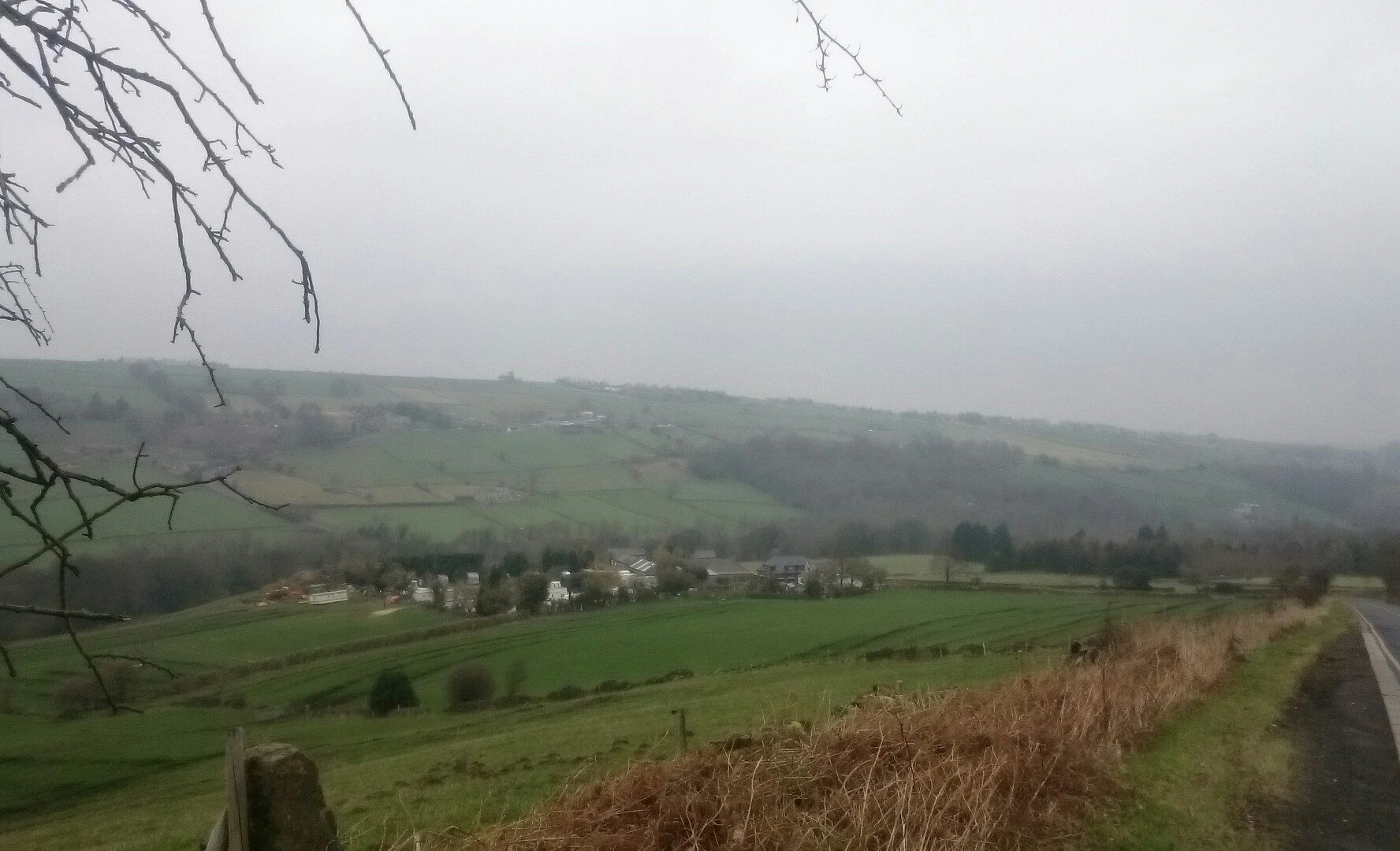
The data collected was observational, in Rivelin Valley in The Peak District National Park, UK. I compared the social networks from the two seasons (breeding and post-breeding) and monitored all between-individual interactions (positive and negative), as well as the geospatial home ranges of breeding pairs and positioning of the flocks.
Results showed that previous interactions, during the breeding season of the long-tailed tits had no effect on how the individuals formed their flocks later on. Neither did the spatial home range overlaps affected in any way which individuals would then choose to flock together in the post-breeding season. What was certain, though, was that genetically related individuals had higher number of interactions after the breeding season, when forming their flocks [2].
Figure 1. A map of the home ranges each breeding pair was using during the breeding season within the study area. Each nest is colour coded so the overlap is clearly visible. Red and Green points represent the negative and positive interactions, respectively, whilst the Black dots show the nest location.
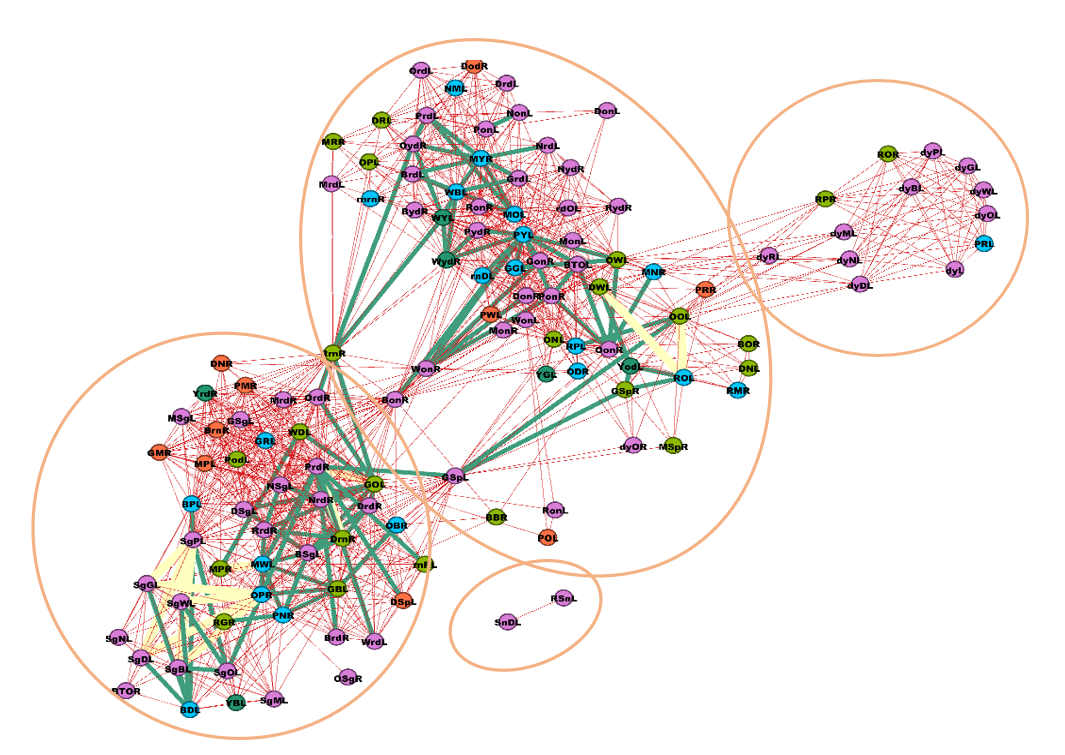
Figure 2. Social network of flocks in the post-breeding stage. Colours of the nodes code for the social position of each individual: purple = brood, blue = failed breeder helping, green = failed breeder not helping, orange = successful breeder. Colour and weight of the edges represents the strength of the links: red = low number of interactions, green = medium number of interactions and yellow = highest number of interactions. Orange circles show an arbitrary division of the separate flocks.
Additional Projects
Bulgaria is situated in the south-east of Europe, on the Balkan peninsula, having a coastline on the Black Sea. It is a cornerstone location for the seasonal migratory species, as along its coastline passes one of the two major migratory route between Europe and Africa - the Via Pontica. In addition, Bulgaria’s high mountains with jagged outlines, green valleys with Thracian and Byzantine sanctuaries, and coastline full of breath-taking scenery, sandy beaches, coastal lakes, marshes and lagoons, make it a remarkable hotspot for both resident and migratory species. Bulgaria is a home to more than 400 bird species.
A project that I have shifted my focus to recently, is the effect of space weather events on the migration routes of birds during their seasonal shifts between nesting and wintering grounds.
What is space weather?
Shortly, this is the effect of the interaction between the natural activity of the Sun, the Earth’s magnetic field and atmosphere, and the Earth’s position in the Solar System. Different phenomena originate from this interaction and they can result in space weather storms, such as Solar Particle Events, Solar Flares, or Coronal Mass Ejections. In addition, there is a constant stream of radiation (charged particles), which is emitted from the Sun, that makes up the Solar wind.
Space weather events might have different effects on the Earth, such as Auroras, or they might disrupt radio signals, GPS, or power grids, depending on the intensity of the event. Their frequency depends on the 11-year Solar cycle and can occur continuously, but, usually, such events are expected to be most common during a Solar Maximum [3].
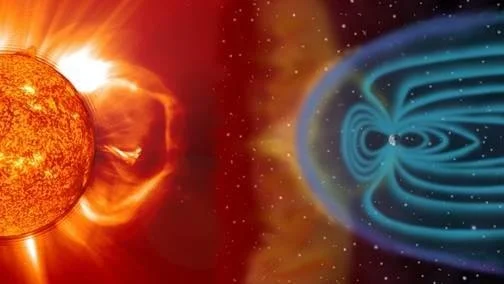
Illustration of a Coronal Mass Ejection expelling plasma into space, reaching the Earth and its magnetic field. Objects in the illustration are not to scale. Credit:SOHO/LASCO/EIT (ESA & NASA).
How do Space Weather events affect bird migration?
Many species of animals on Earth, not only birds, depend on the geomagnetic field to navigate whilst making their way during long-distance seasonal migrations and spatial orientation. Space weather events regularly cause disturbances in the Earth’s magnetic field, which can cause temporary disorientation to the animals that use it as a navigational instrument.
For instance, there are studies that have shown that geomagnetic disturbances affect the birds’ migration direction from their natal sites to their grounds for breeding. They also influence the migratory routes the birds use and increase bird vagrancy outside their normal ranges [4].
As most studies, linking space weather events to bird migration are based on data collected in the USA, I am interested in using data to analyse from Europe, with birds migrating towards Africa.
For this purpose, I am currently opened to funding and gathering a team for data collection. I would need assistance in collecting data on geomagnetic disturbances from observatories, bird identification and counts at points along the migratory route in Eastern Europe - The Via Pontica.
Lastly, linking my professional interests with my personal ones, below I have included a short gallery of some of the more interesting shots I have made, whilst my time travelling in Europe.
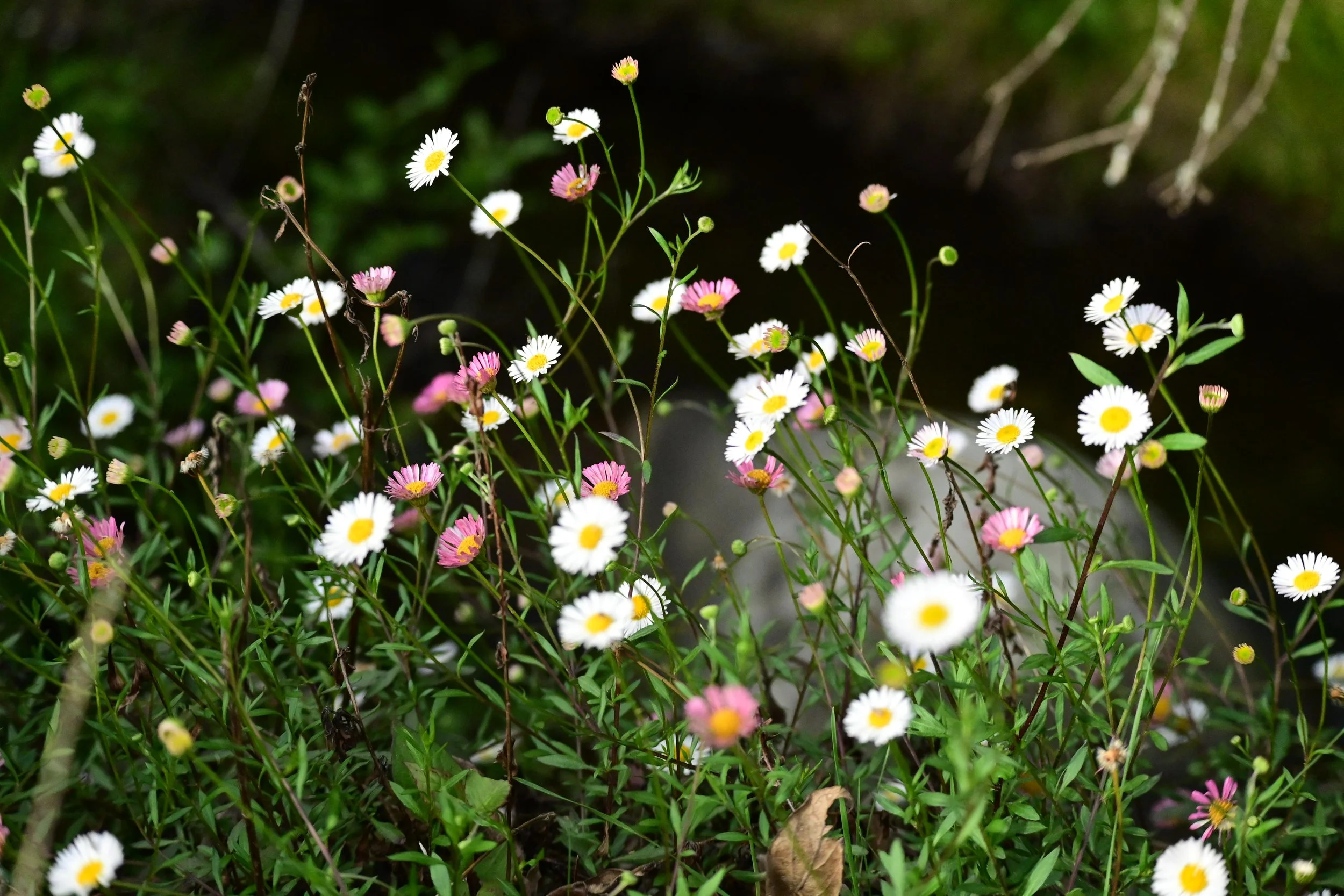
Conservation
It has been estimated that 40.96% of Bulgaria’s terrestrial territory is designated as protected areas, as well 8% of its marine waters are under protection [5]
Over the past few years conservation priorities in Bulgaria have increasingly reflected both national environmental needs and commitments to the European Union biodiversity frameworks. One of the main focus points has been the implementation and improvement of the Natura 2000 network, which covers around a third of the country’s territory. The aim has been to enhance the conservation status of protected habitats via a better management system, monitoring processes, and enforcement mechanisms [6]. The biggest challenges here are stakeholder coordination and compliance, particularly in areas where economic activities such as construction and tourism overlap with protected habitats.
Another key focus has been the sustainable forest management. As Bulgaria’s forests are some of the most biodiverse in Europe, recent policies have emphasised the protection of primary forests, as well as the stricter control on illegal logging. Civil organisations have become increasingly active in advocating for the transparency and accountability in forest management policies. Meanwhile, the conservation strategies have needed adaptation to the climate changes, accounting for the increasing droughts, fires, and pest outbreaks [7].
Restoration projects along the Danube River and Black Sea coastline have been established to aid in the wetland and freshwater ecosystem conservation.
Nevertheless, significant challenges still remain, such as limited funding, institutional capacity constraints, conflicts between development and conservation objectives, agricultural intensification and rural depopulation. What has become clear, however, is that the local population’s mindset has shifted greatly towards more sustainable approaches in the everyday lifestyle.
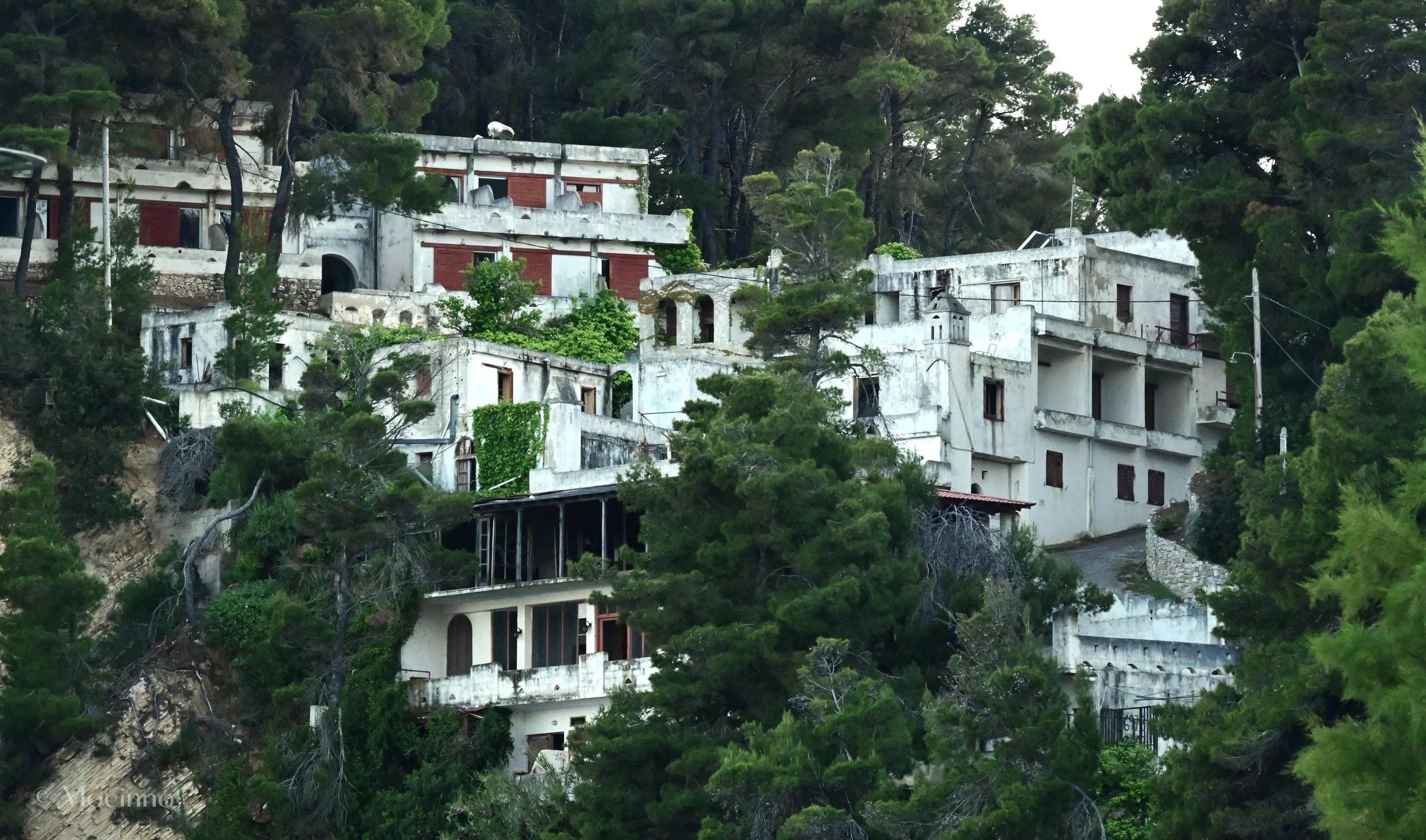
Abandoned buildings, Alonnisos, Greece
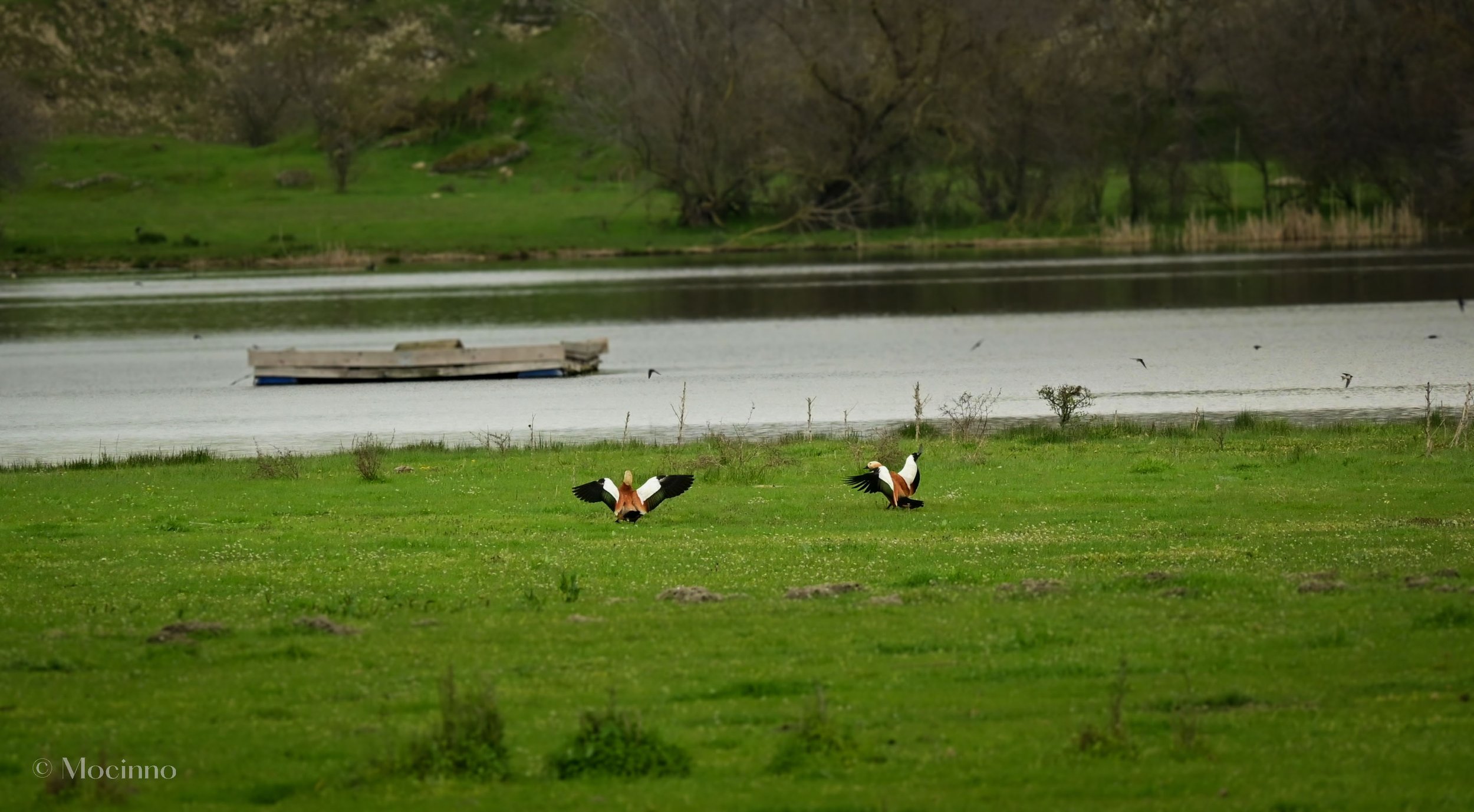
Ruddy shelduck (Tadorna ferruginea), LC, Varna Lake, Bulgaria
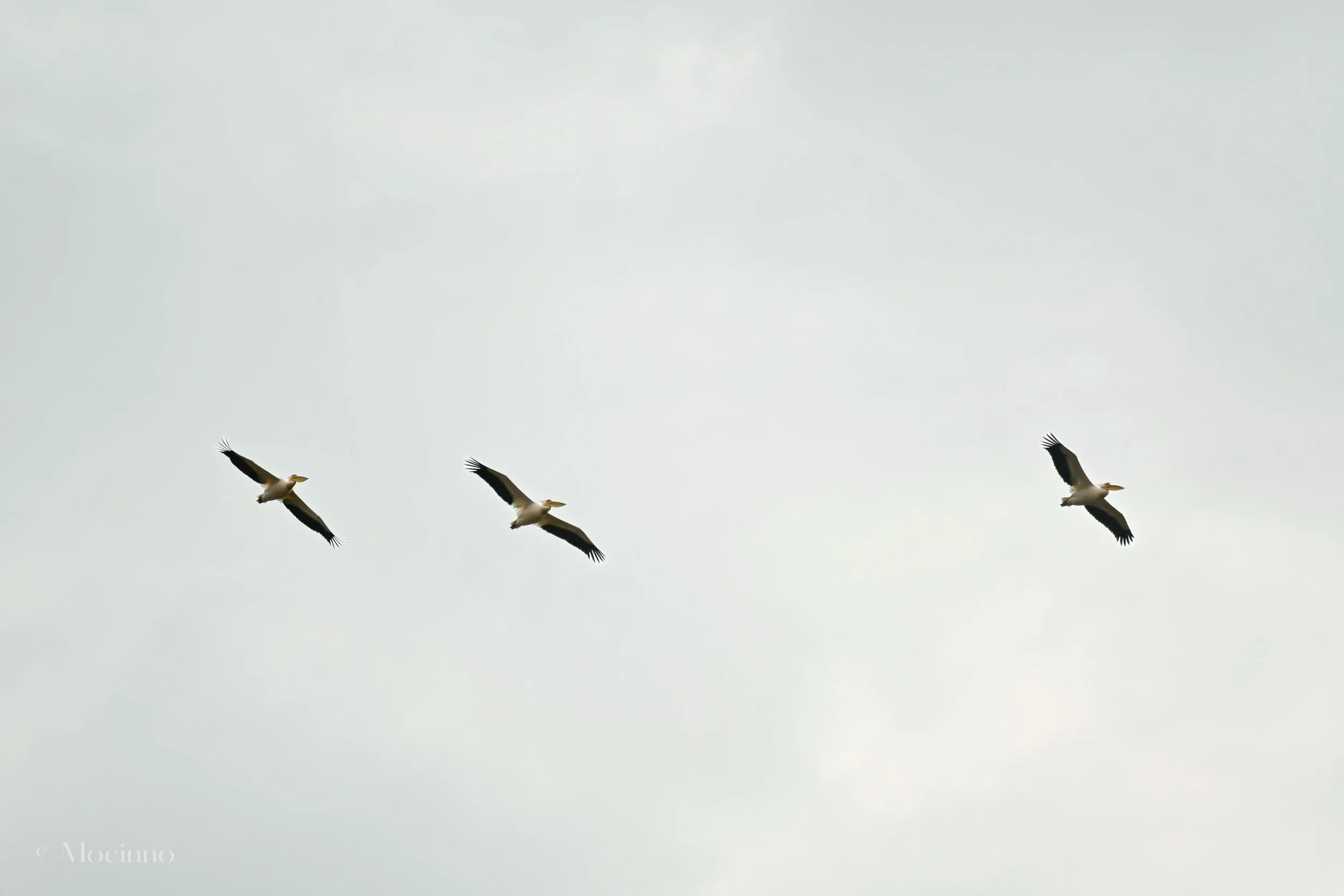
Great White Pelicans (Pelecanus onocrotalus), LC, Varna, Bulgaria
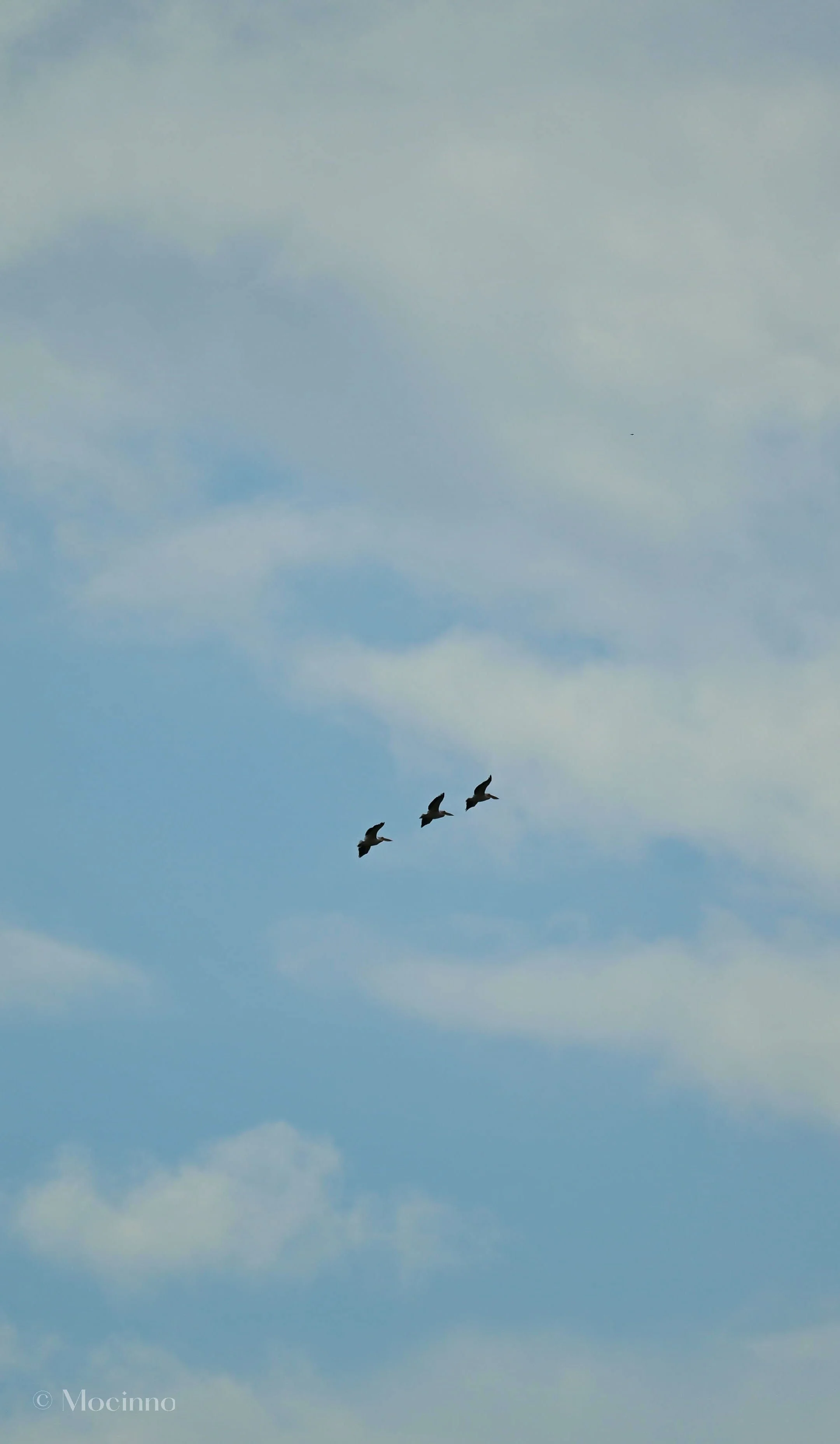
Great White Pelicans (Pelecanus onocrotalus), LC, Varna, Bulgaria
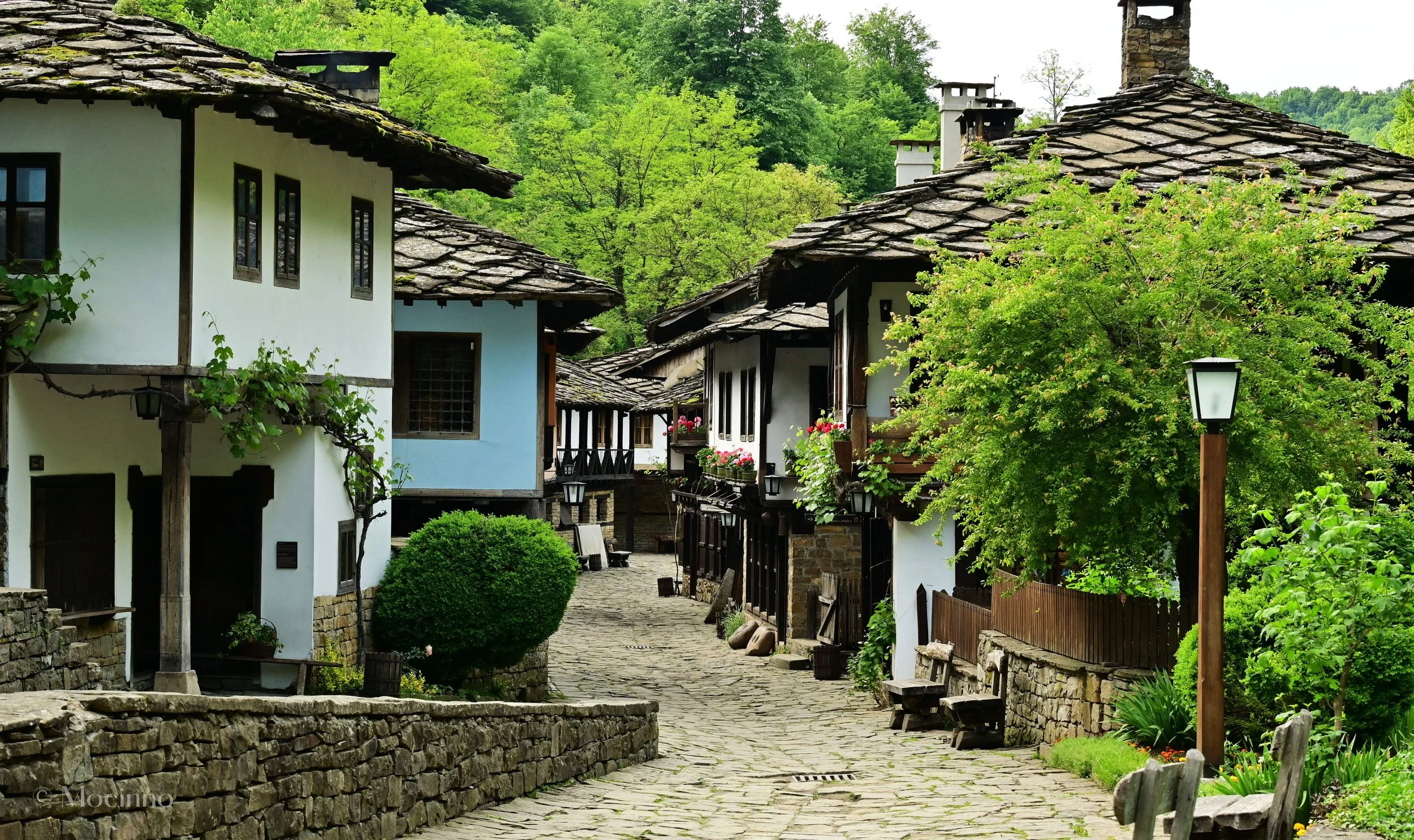
Etar, Bulgaria
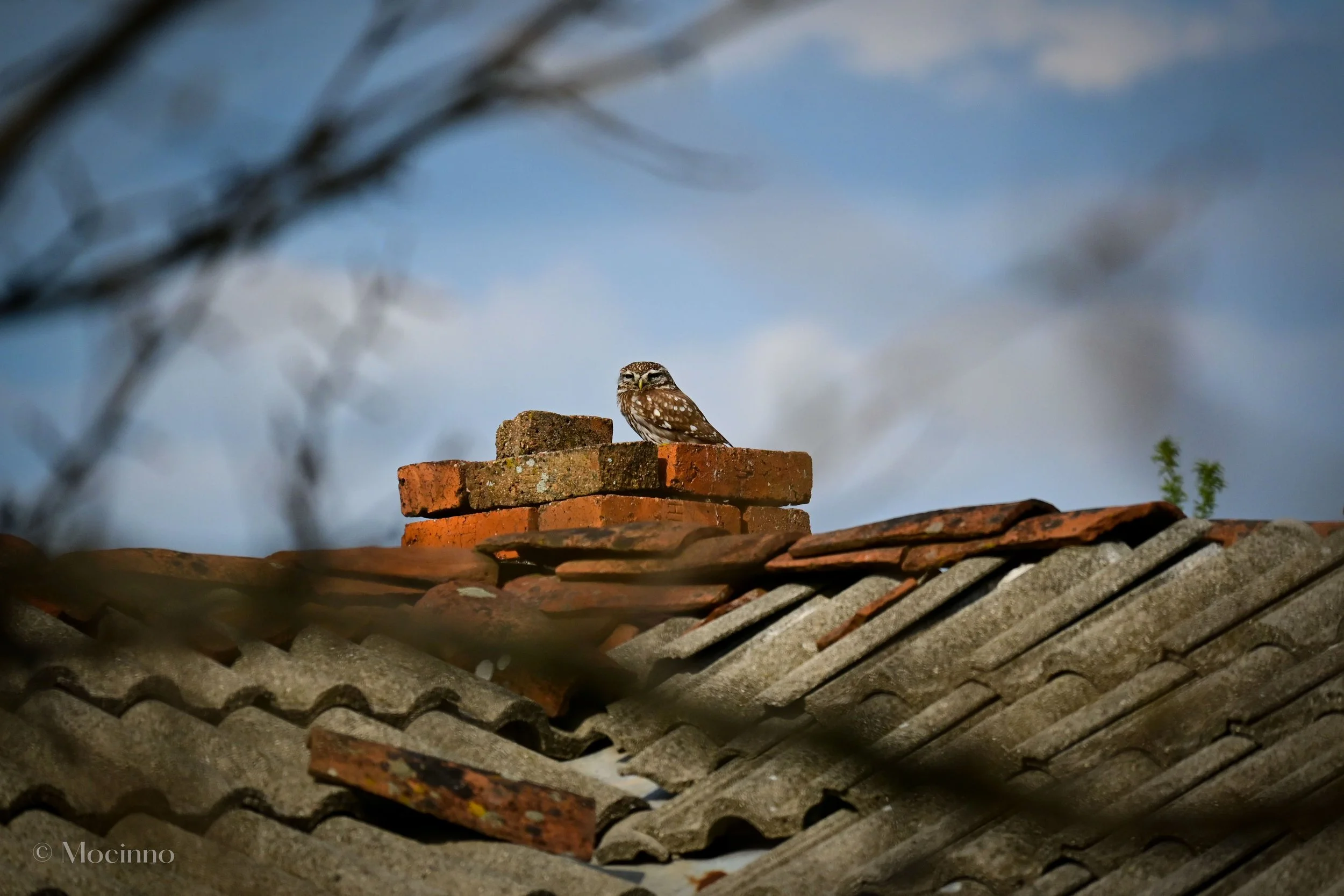
Little owl (Athene noctua), LC, Borislavtsi, Bulgaria
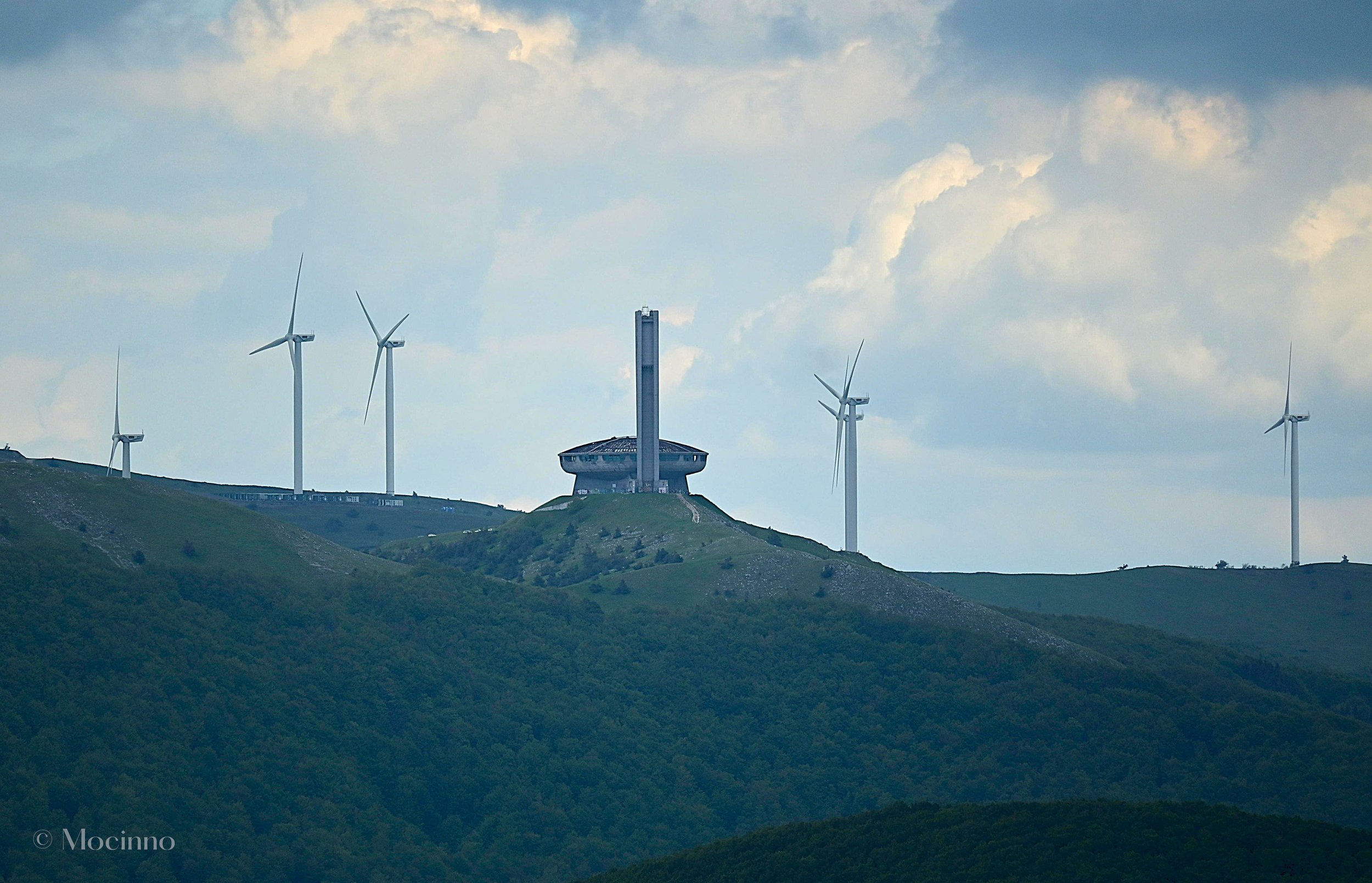
Buzludja Monument, Bulgaria
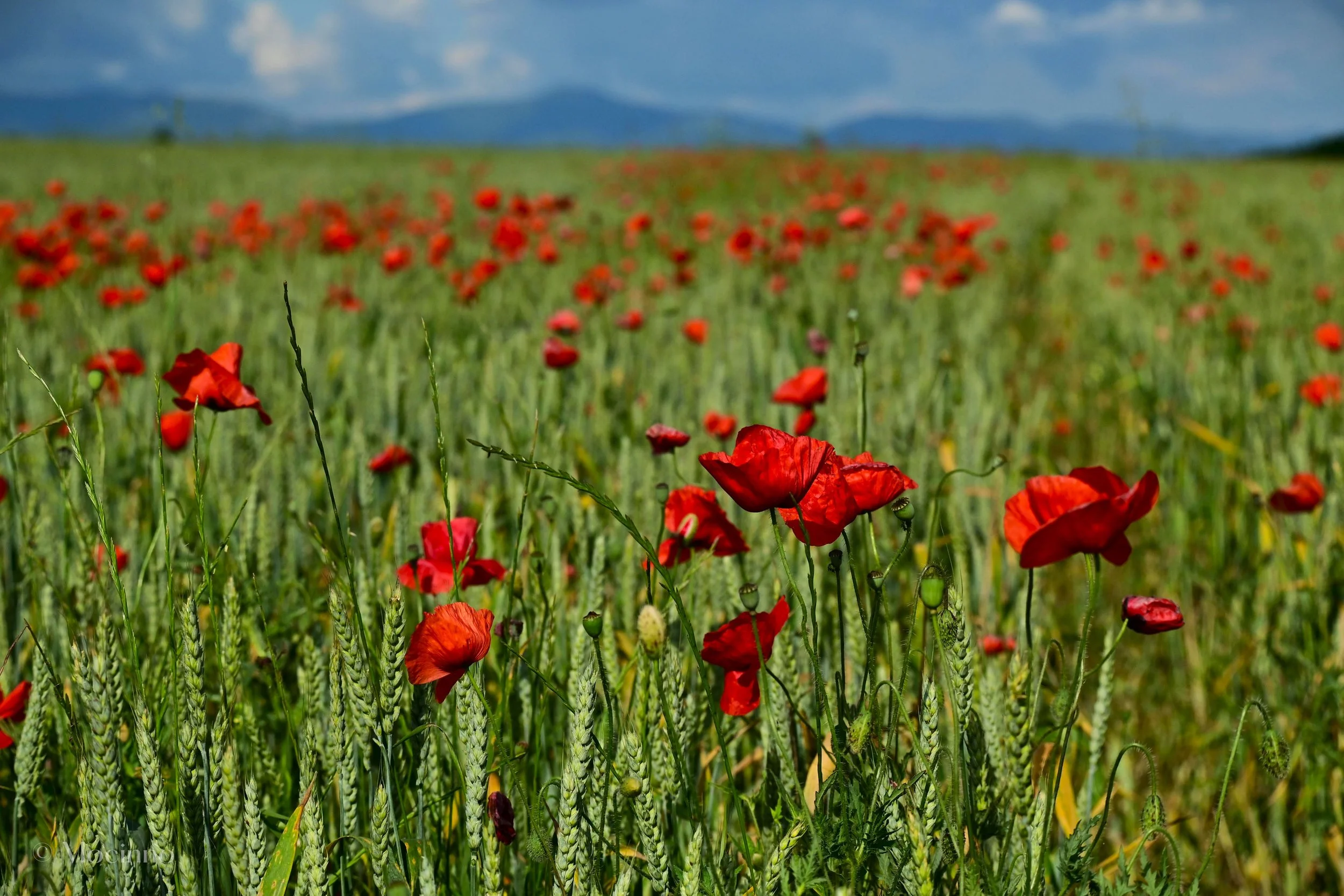
Karlovo, Bulgaria
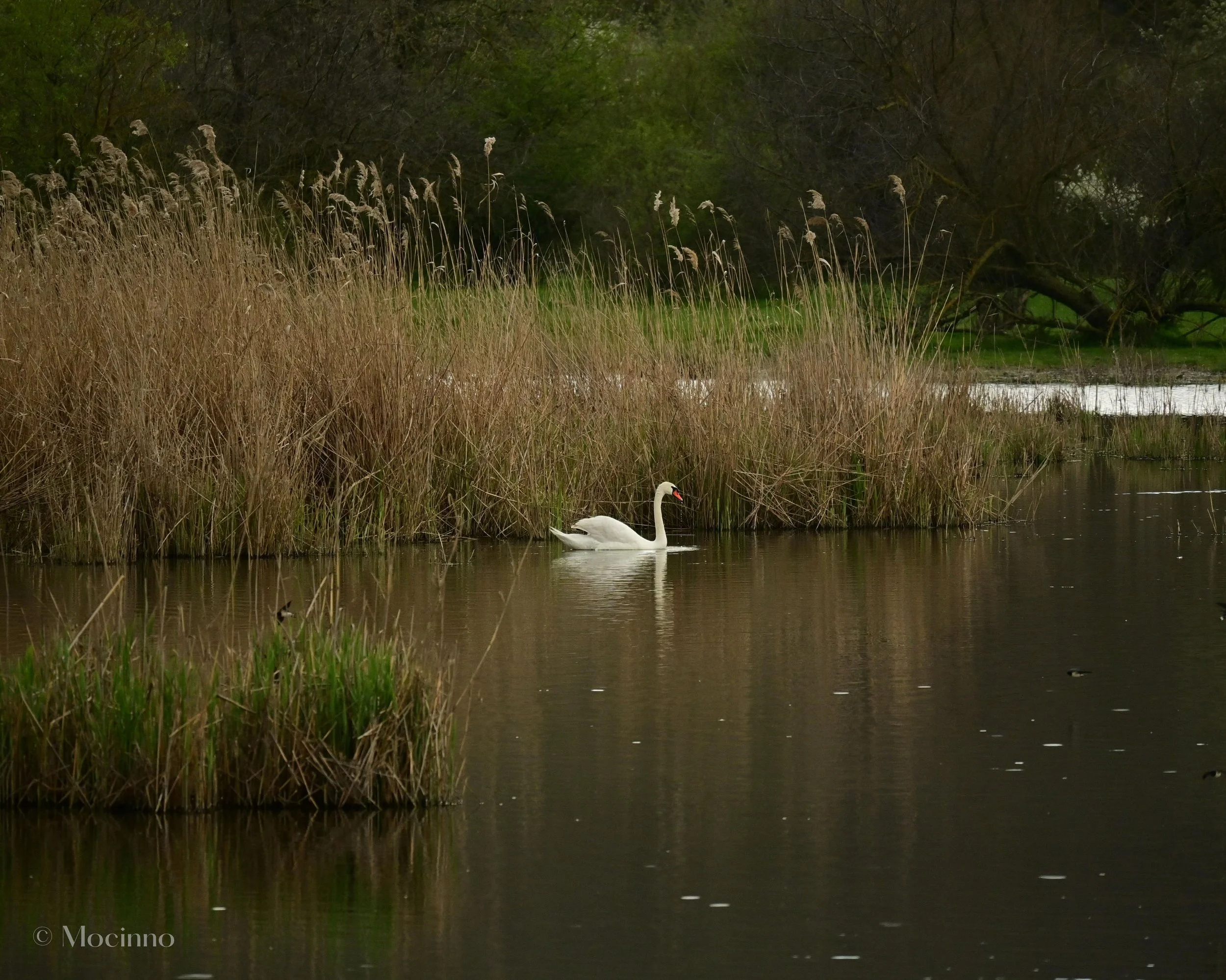
Mute swan (Cygnus olor), LC, Varna Lake, Bulgaria
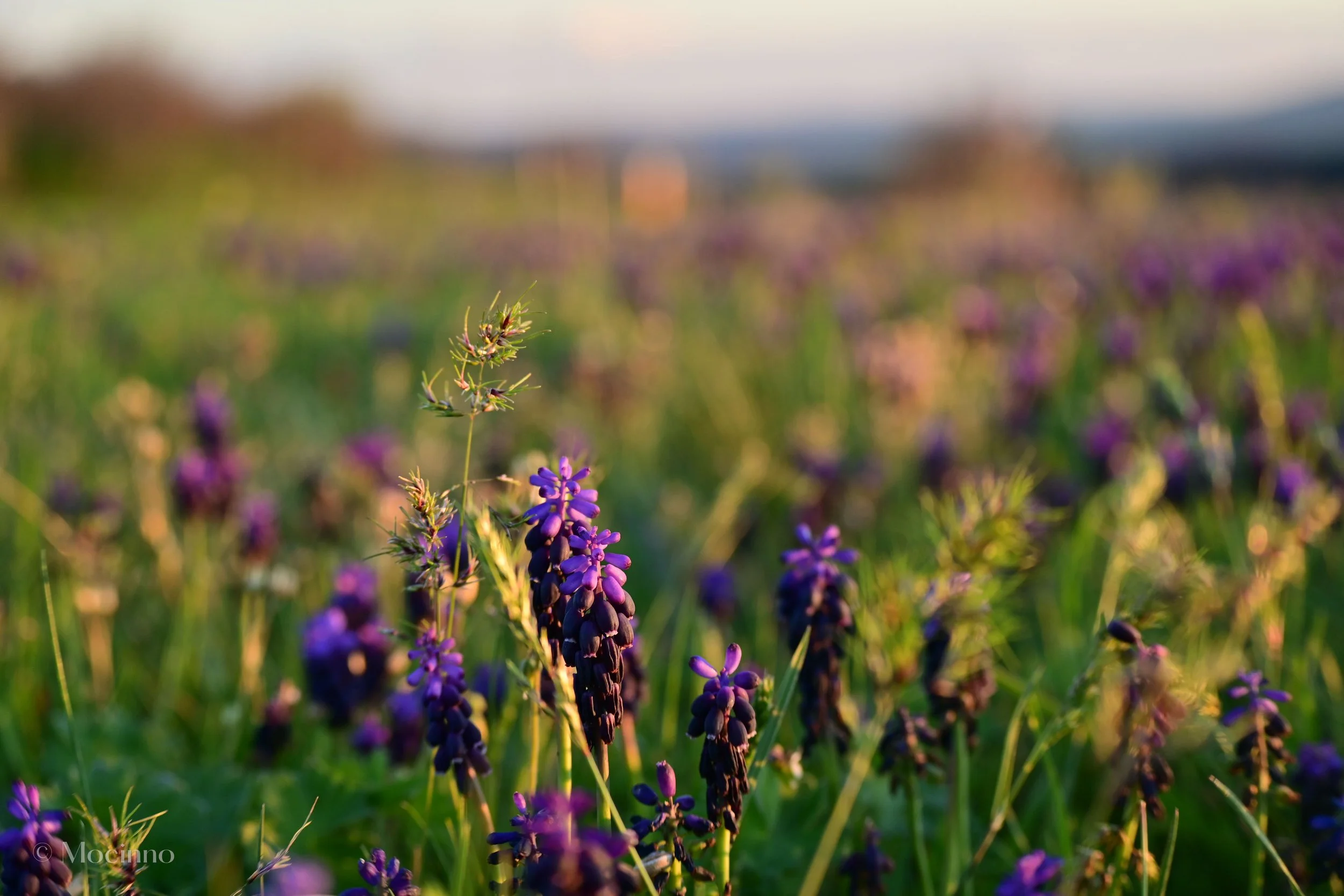
Provadia, Bulgaria
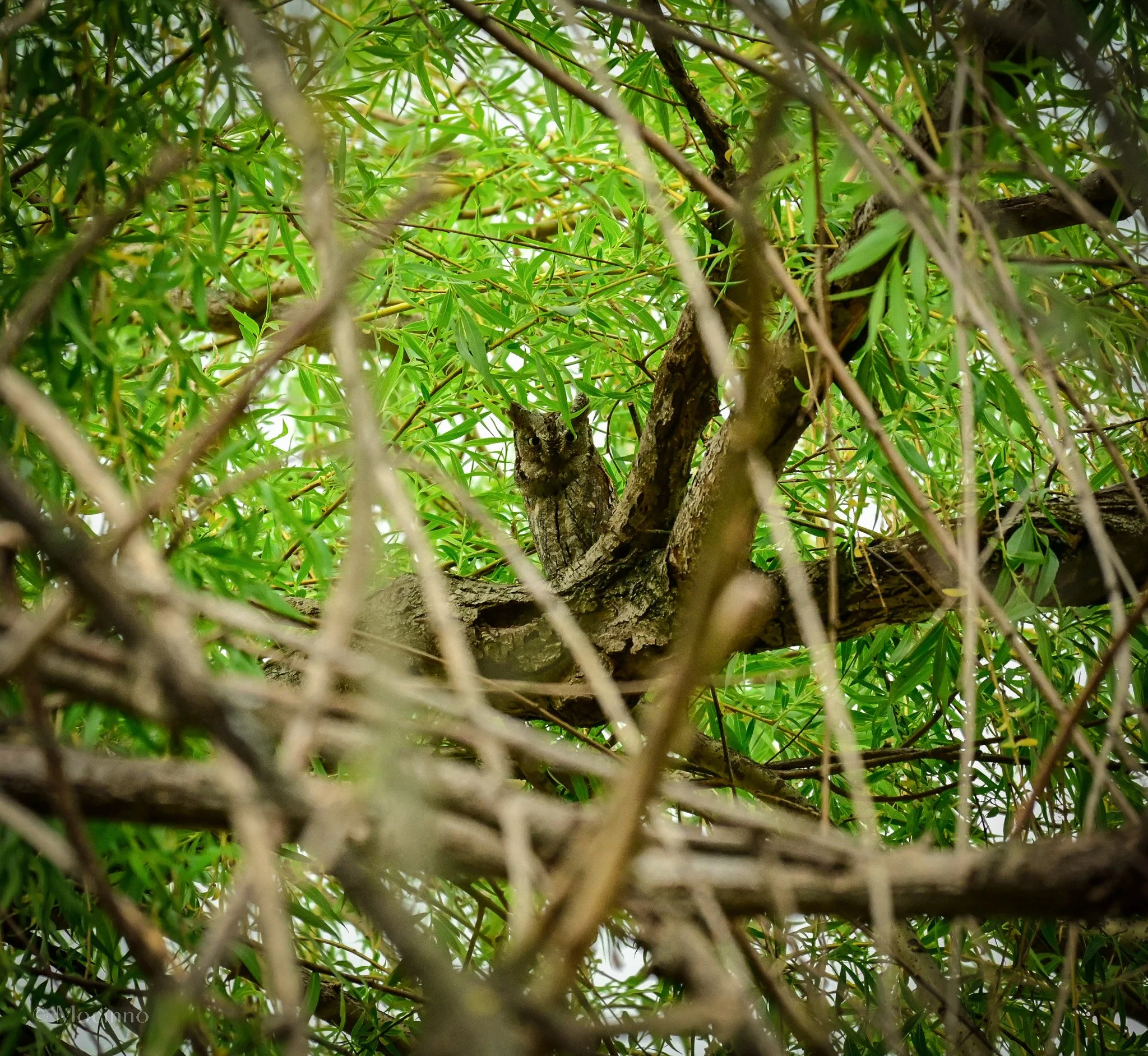
Eurasian Scops Owl (Otus scops), LC, Madzharovo, Bulgaria
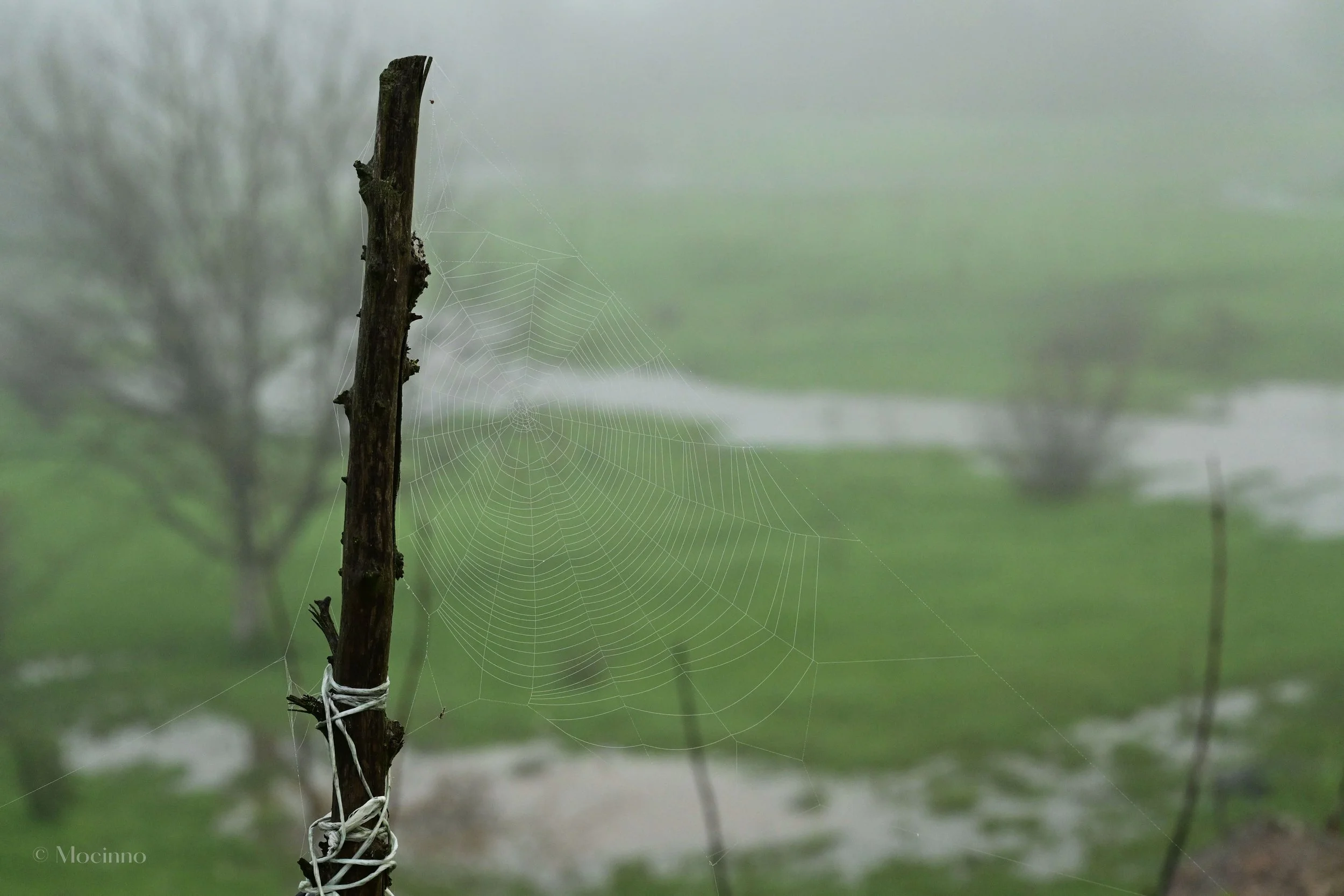
Spider web, Borislavtsi, Bulgaria
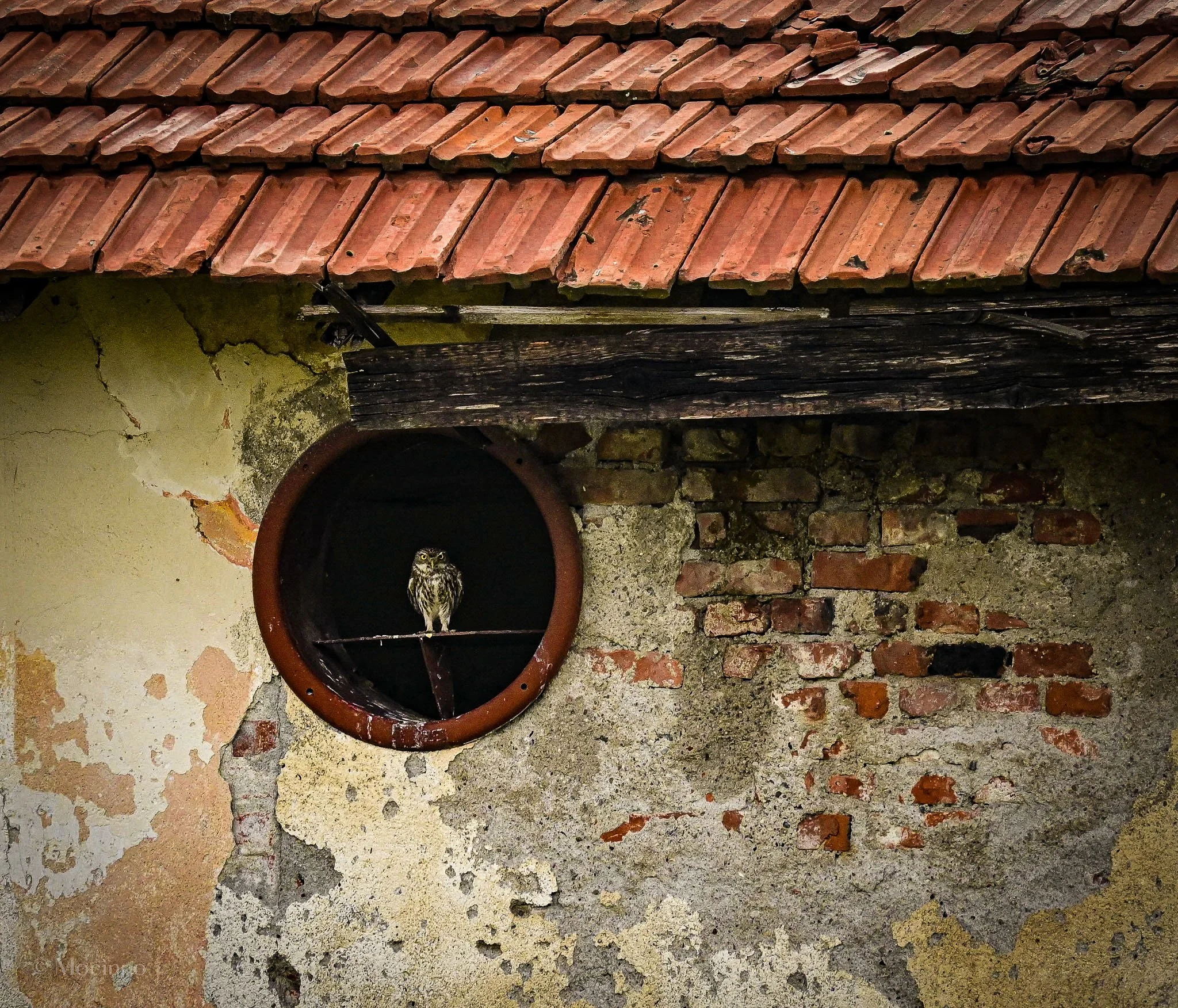
Little Owl (Athene noctua), LC, Borislavtsi, Bulgaria
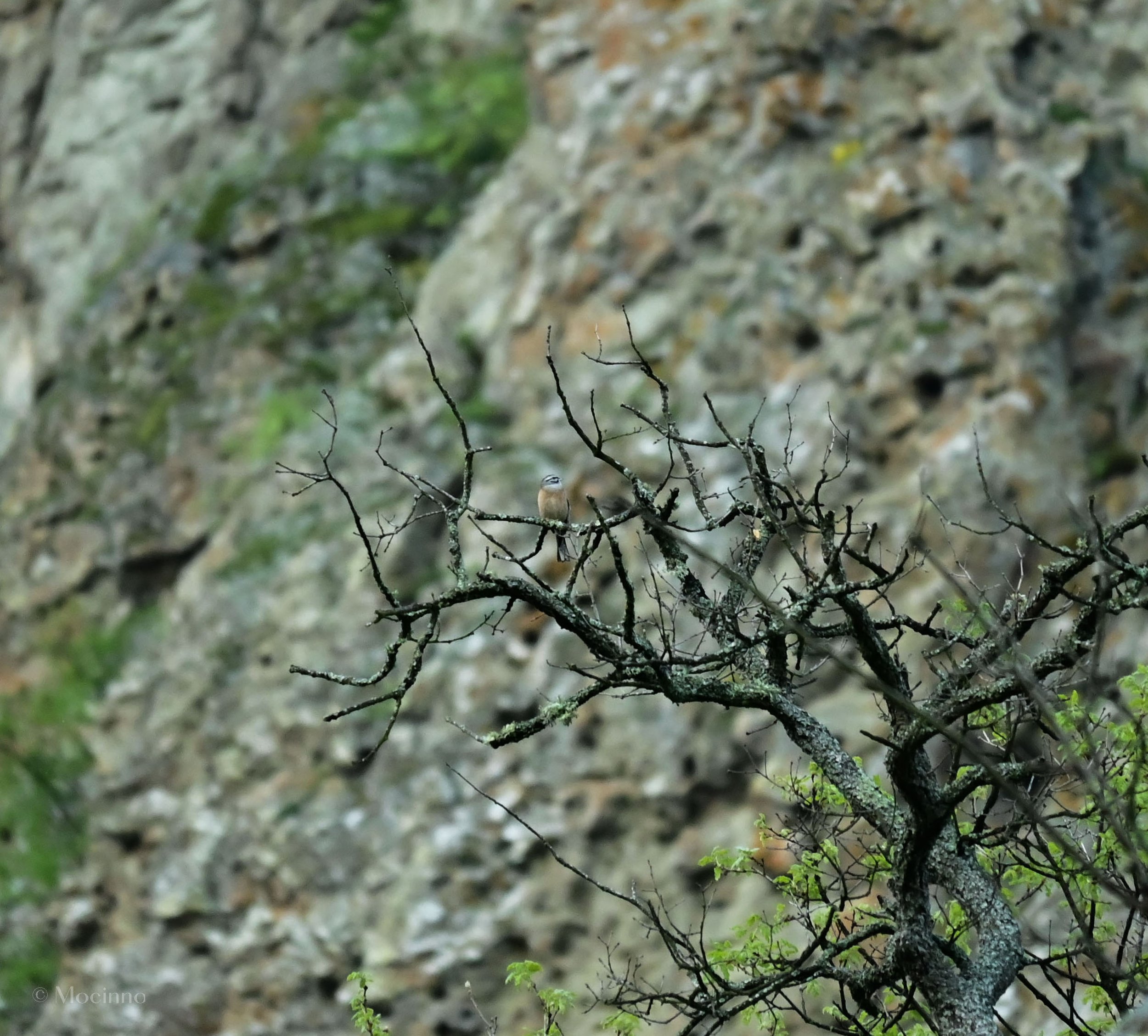
Rock Bunting (Emberiza cia), LC, Rhodope Mountains, Bulgaria
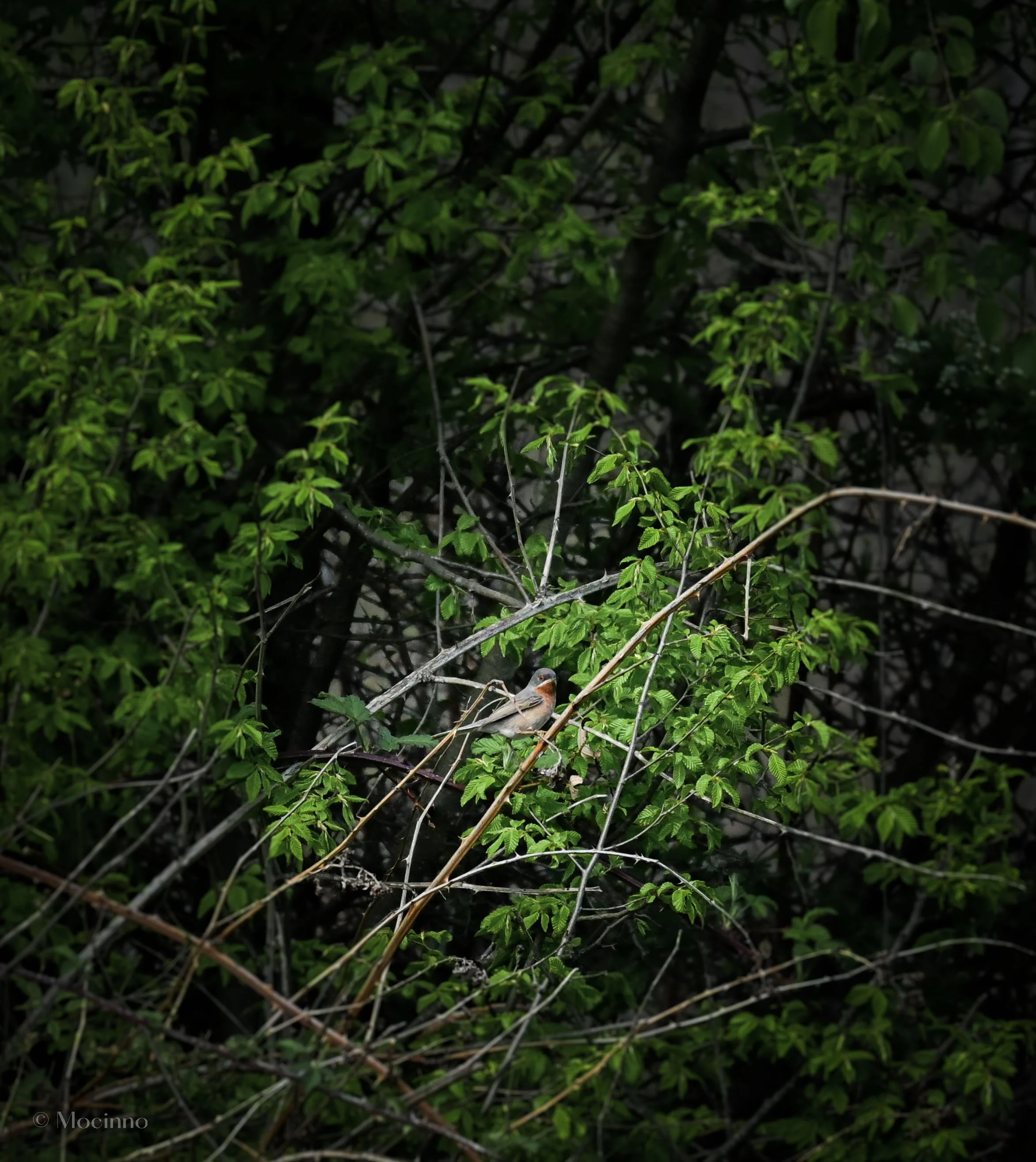
Eastern Subalpine Warbler (Curruca cantillans), LC, Rhodope Mountains, Bulgaria
Bibliography:
[1] Hatchwell BJ, Anderson C, Ross DJ, Fowlie MK, and Blackwell PG (2001) Social organisation of cooperatively breeding long-tailed tits: kinship and spatial dynamics. Journal of Animal Ecology. Vol. 70. P. 820-830.
[2] Preslavska C (2019). The effect of breeding interactions on the post-breeding social system of a cooperative bird. [Unpublished Master’s Thesis]. The University of Sheffield.
[3] NOAA, Space Weather Storms from the Sun. Available at: https://www.swpc.noaa.gov/sites/default/files/images/u33/swx_booklet.pdf
[4] Gulson-Castillo ER, Van Doren BM, Bui MX, and Winger BM (2023). Space weather disrupts nocturnal bird migration. PNAS. Vol. 120(42): e2306317120.
[5] Biodiversity Information System for Europe (BISE) (2022). Available at: https://biodiversity.europa.eu/countries/bulgaria.
[6] Country profile: Bulgaria. European Commission (2020). Available at: https://economy-finance.ec.europa.eu/document/download/fa789d72-0011-4d03-af69-974a7b3321ea_en?filename=BG_SWD_2026_202_1_EN_autre_document_travail_service_part1_v3.pdf.
[7] Natura 2000 and biodiversity conservation in Bulgaria. WWF Bulgaria (2021) Available at: https://balkani.org/wp-content/uploads/2022/05/ACF576_brochure-popular-final_EN_31-03-2022.pdf/.
All image captions printed in the following format: Species’ Common Name (where applicable), (Scientific name), IUCN Red List Status, Location, Country