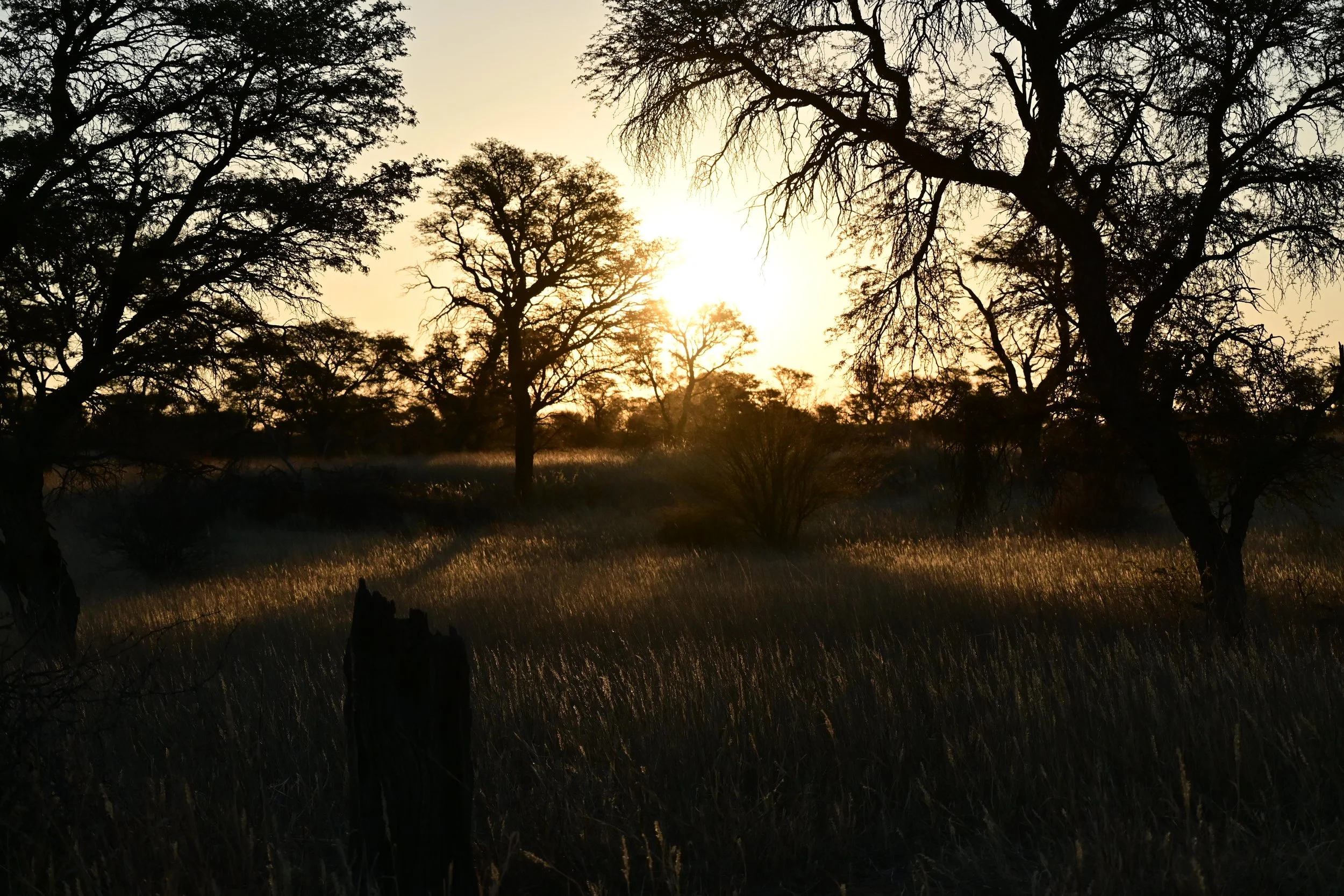
Africa
A place of dynamic, vast, and diverse ecosystems - from arid deserts to dense jungles. I was enticed by this world when I was a child, so I dreamt about going there and seeing all the different animals.
Years later, my studies and interests brought me to the Kalahari Desert in South Africa. I got the opportunity to join a long-term behavioural project, which focuses on studying the patterns of behaviour in the societal structure of the Meerkat.
In this section:
Studies
Located in the North-West par of South Africa, on the borders with Namibia and Botswana, the Kalahari is a semi-arid sandy savanna, which supports a relatively large population of flora and fauna. I was working in the very corner of the Kalahari, in the Kalahari Research Centre, which is part of the Kuruman River Reserve.
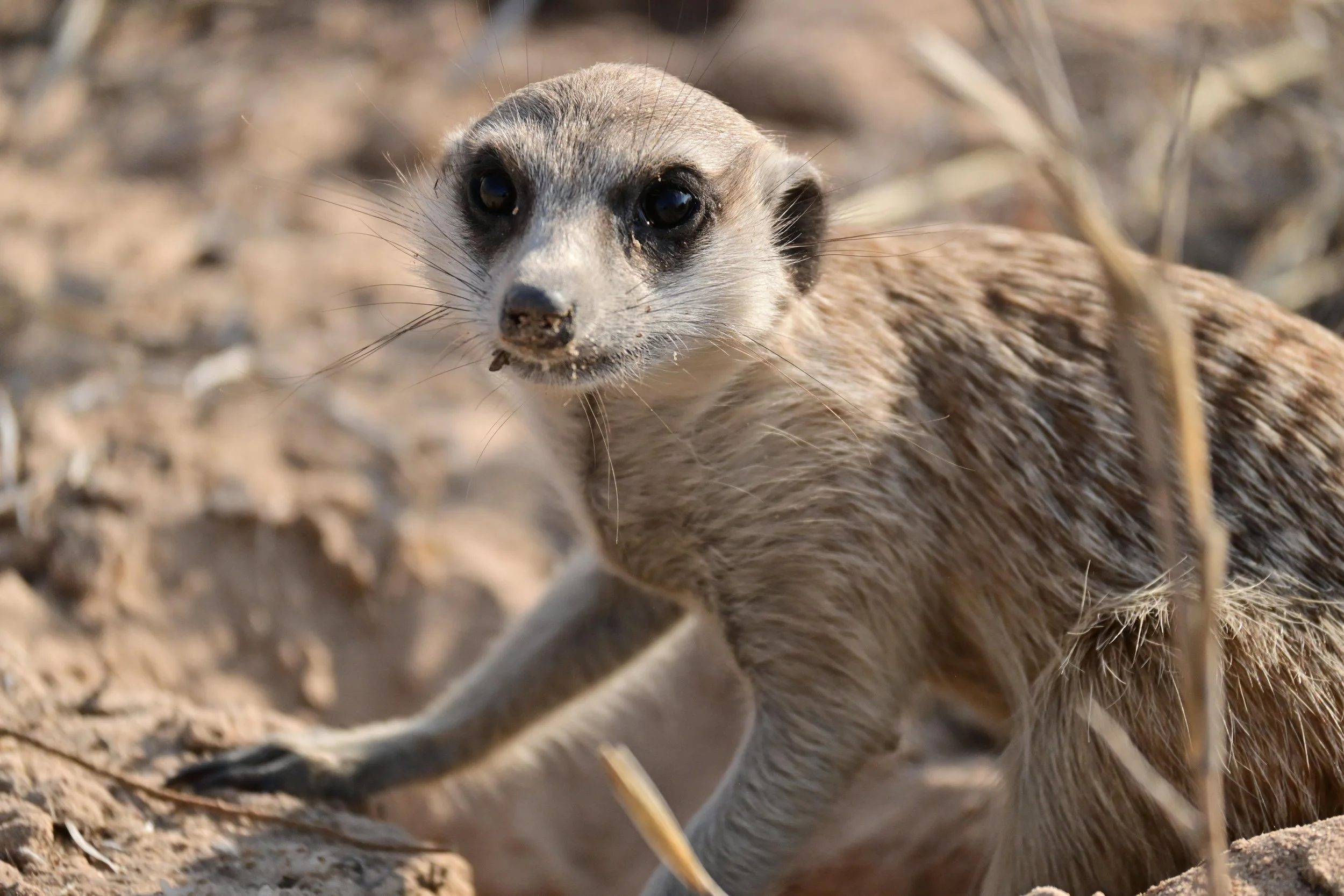
My field work encompassed close observations of the meerkats (Suricata suricatta) from dawn until dusk, when the meerkats are active above ground.
I studied the behavioural patterns of cooperative foraging and vigilance, alarm calls and protection, inter-group interactions (mobbing), social structure and hierarchy, individual eviction, cooperative breeding, and pup raising by ‘helpers’.
In the mornings, with the team we prepared the equipment for data collection, before the emerging time of the meerkats. Every day was different; we would observe a different group of meerkats to collect data on.
Once they emerged from the burrows, the meerkats had their morning routines, such as games and grooming. Soon after, they headed off to forage across their territory and maintain their boltholes under the blazing sun.
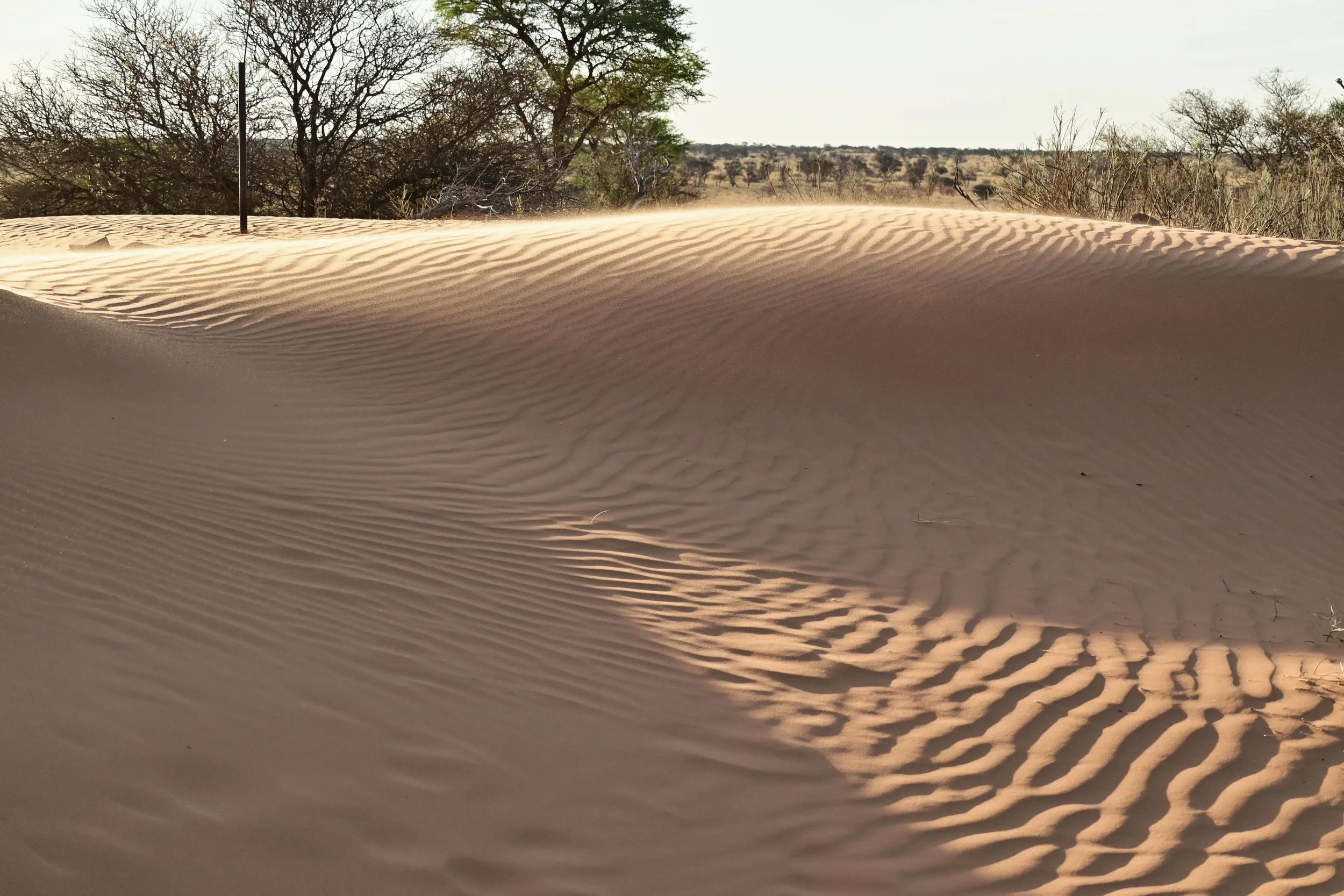
Following are a few images from a typical data collection day, along with some interesting facts about the meerkat societies.
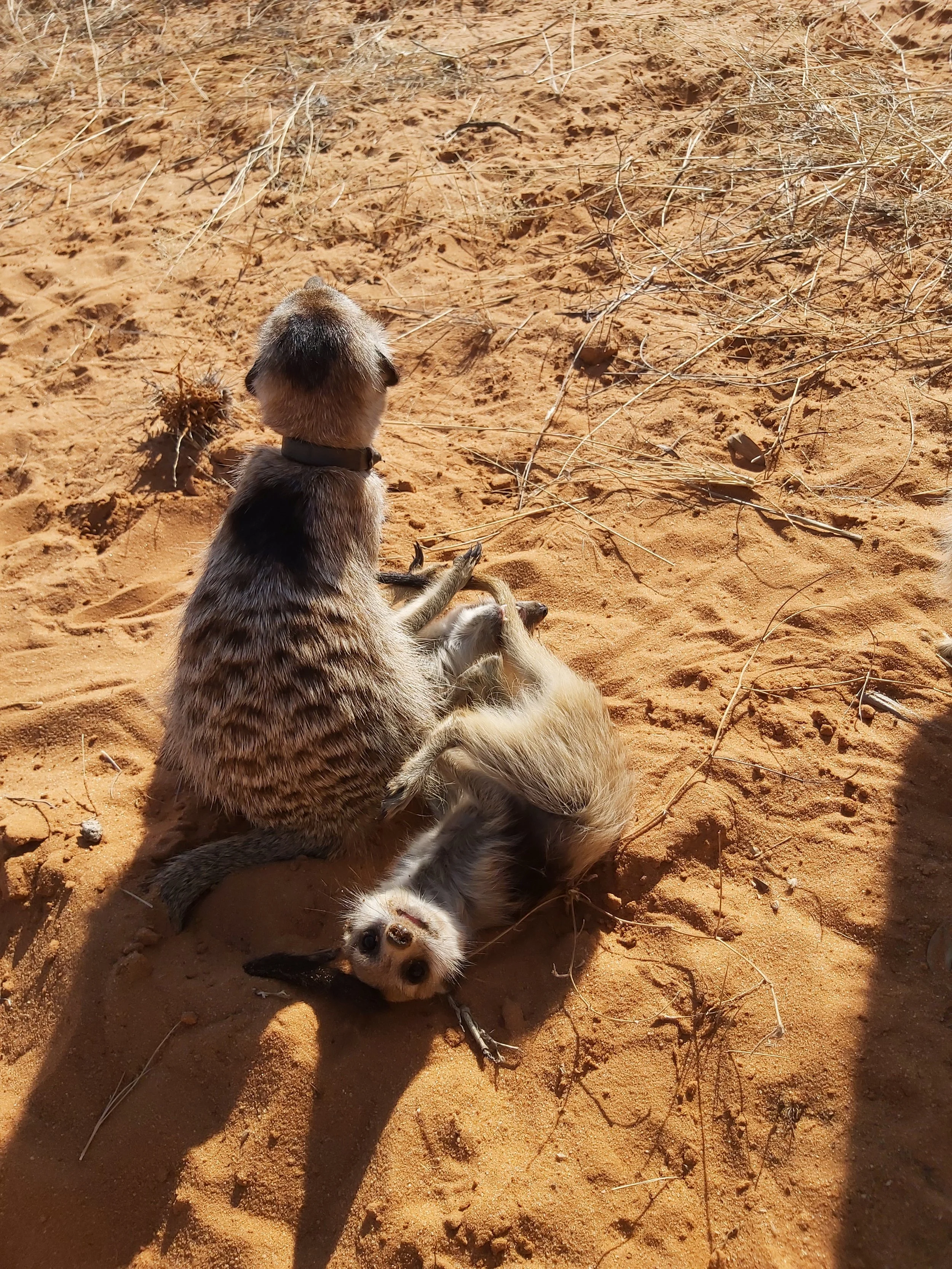
Each group would usually follow a dominant female around their foraging grounds, who would be fitted with a radio-collar, which helps the researchers locate the groups.
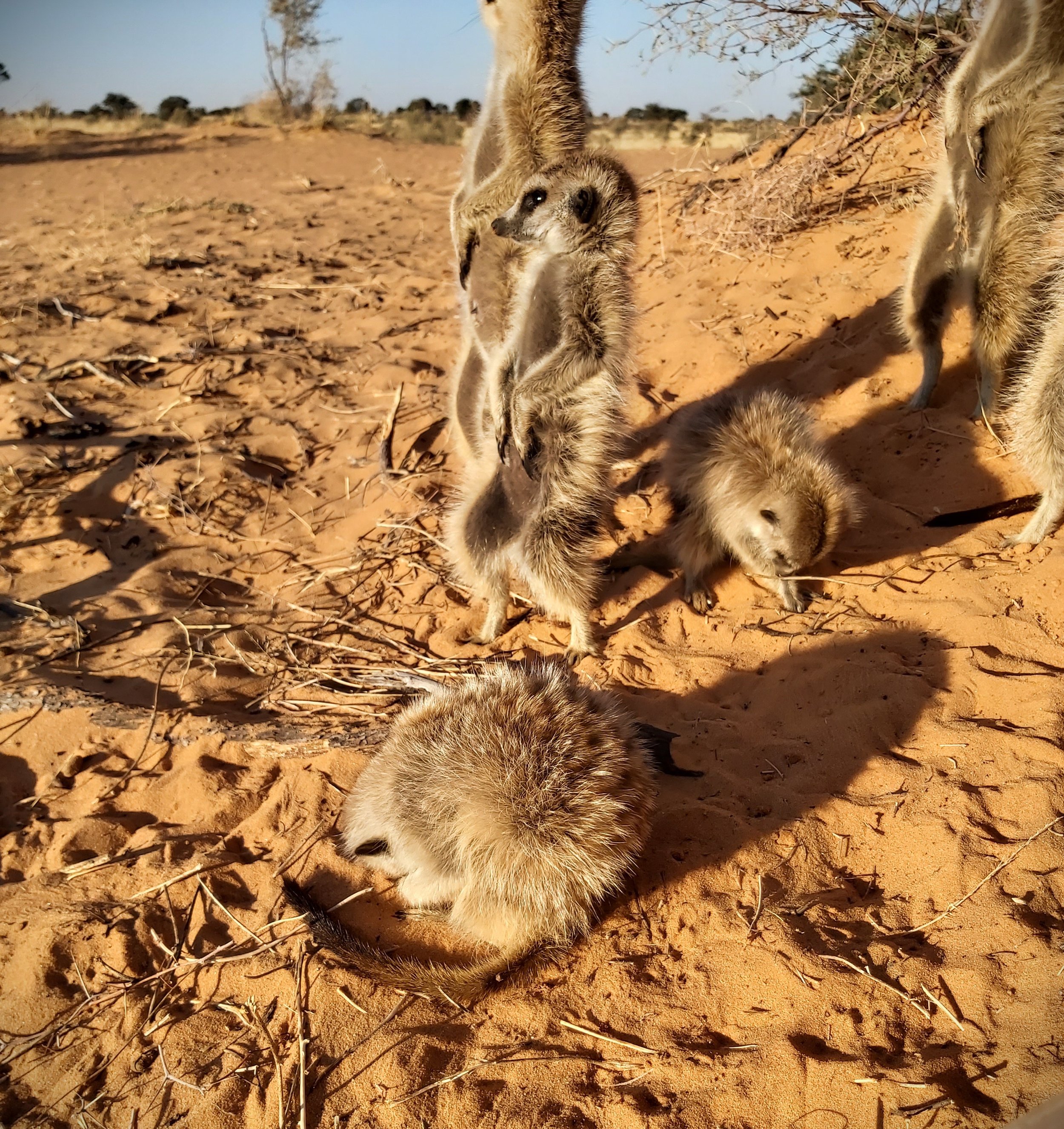
Meerkats sunbathing around their burrow after waking up and before going out to forage.
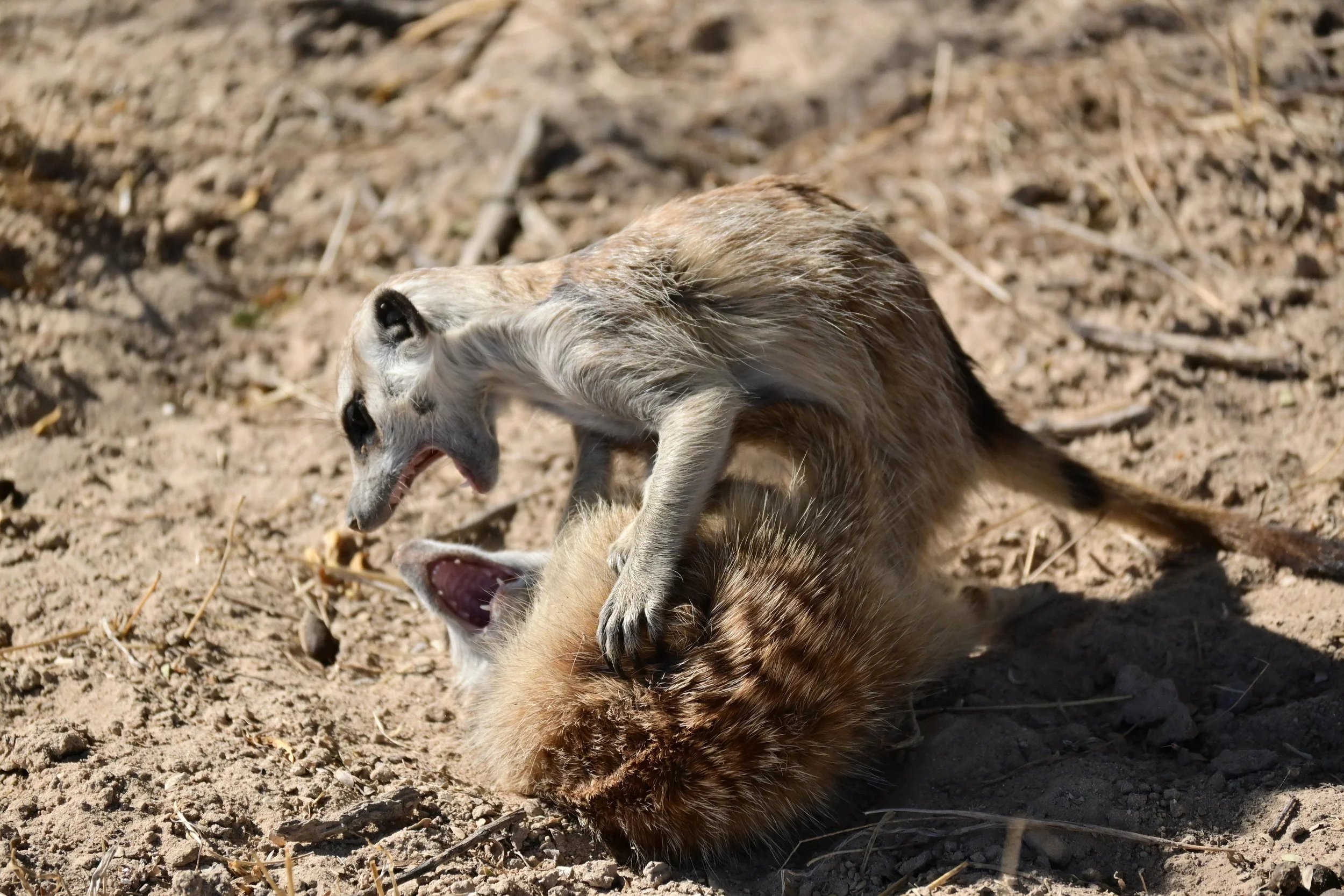
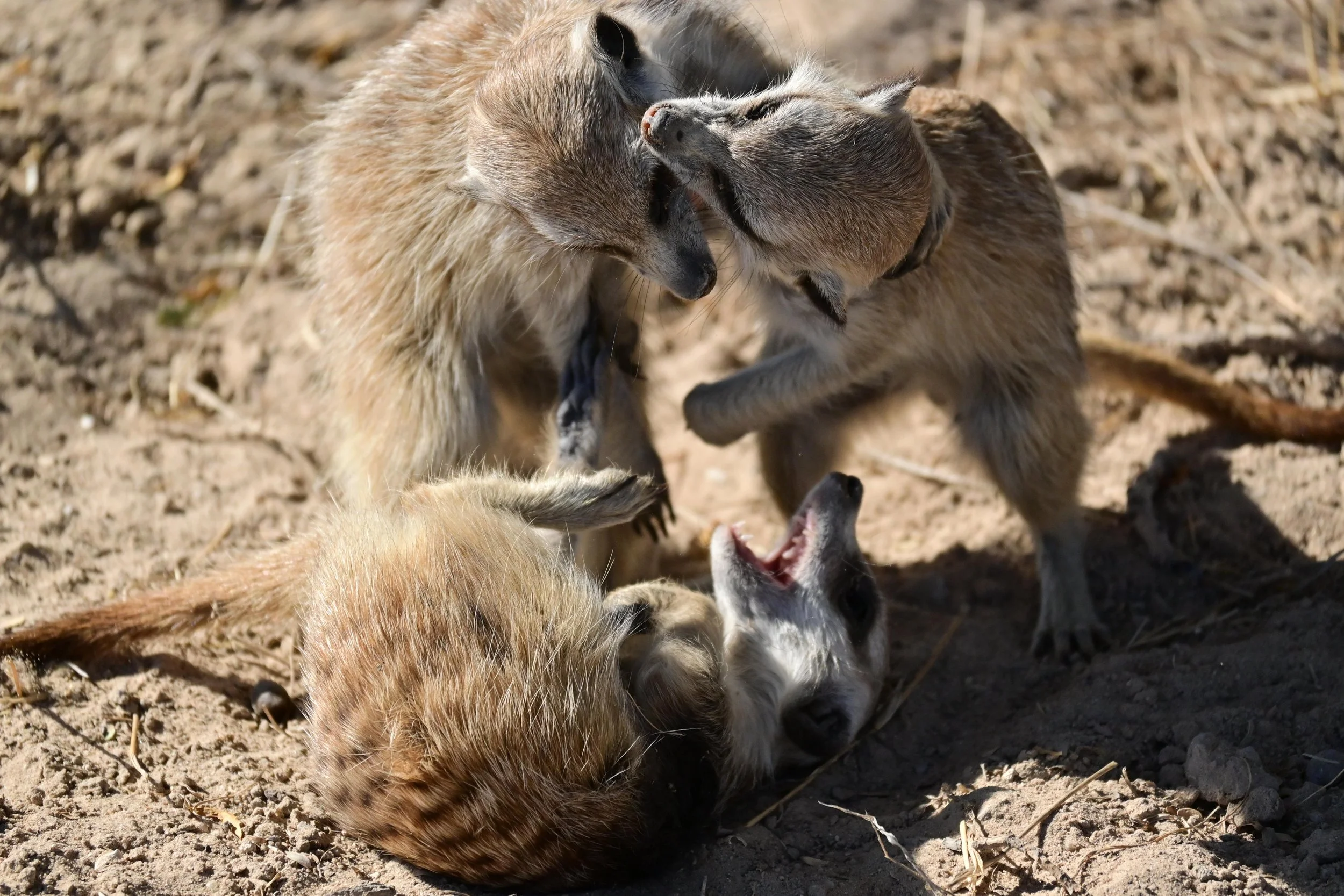
The way meerkats navigate their way around their territory is fascinating.
Meerkats have over a thousand boltholes in their territories. A study showed that they know the exact location of each one of them and, in case of danger, they use the bolthole, located the closest to them.
They can recognise their surroundings extremely well, using landmarks to know the exact direction and distance to the next specific location, rather than having a continuous spatial map of their territory in their brains [1].
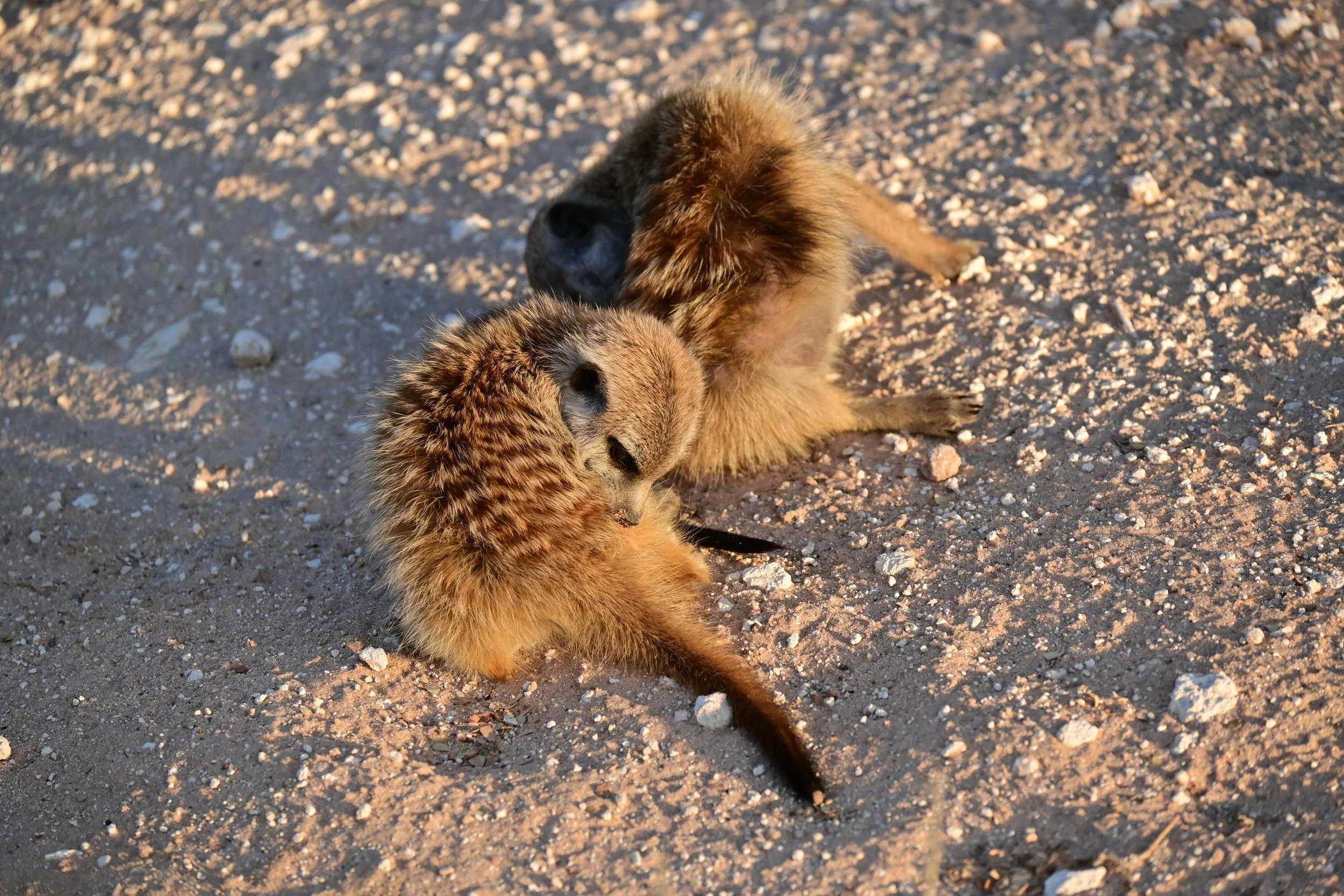
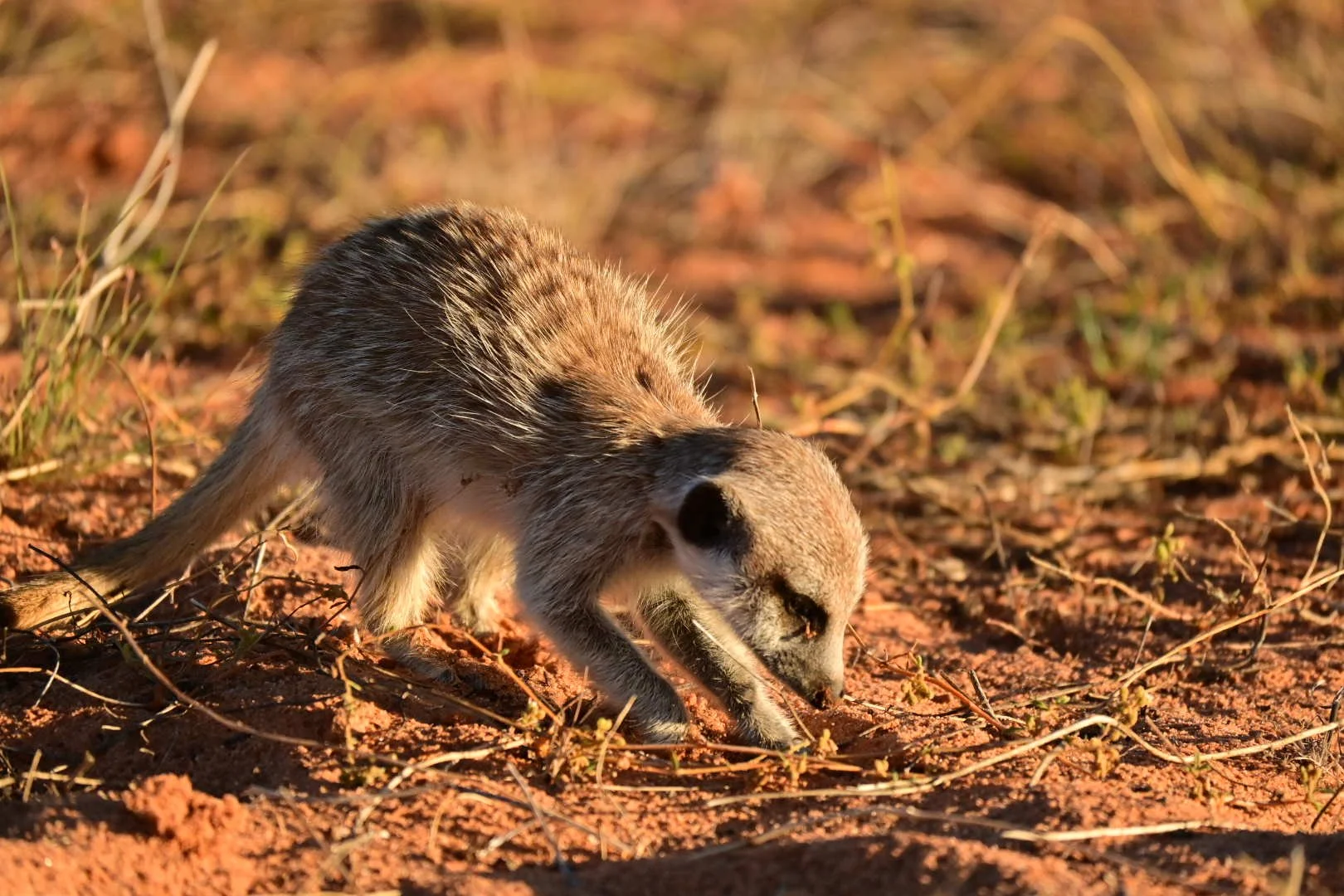
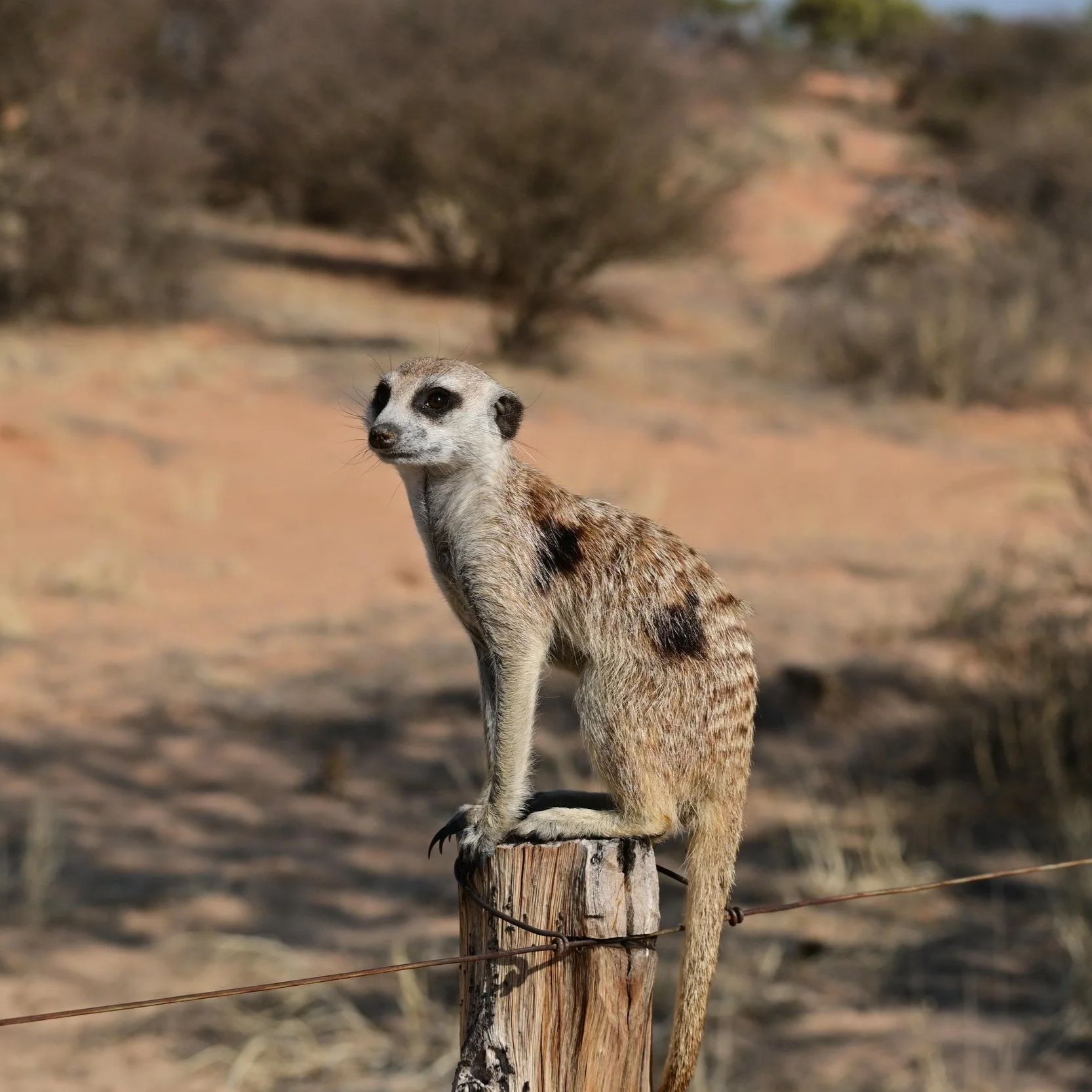
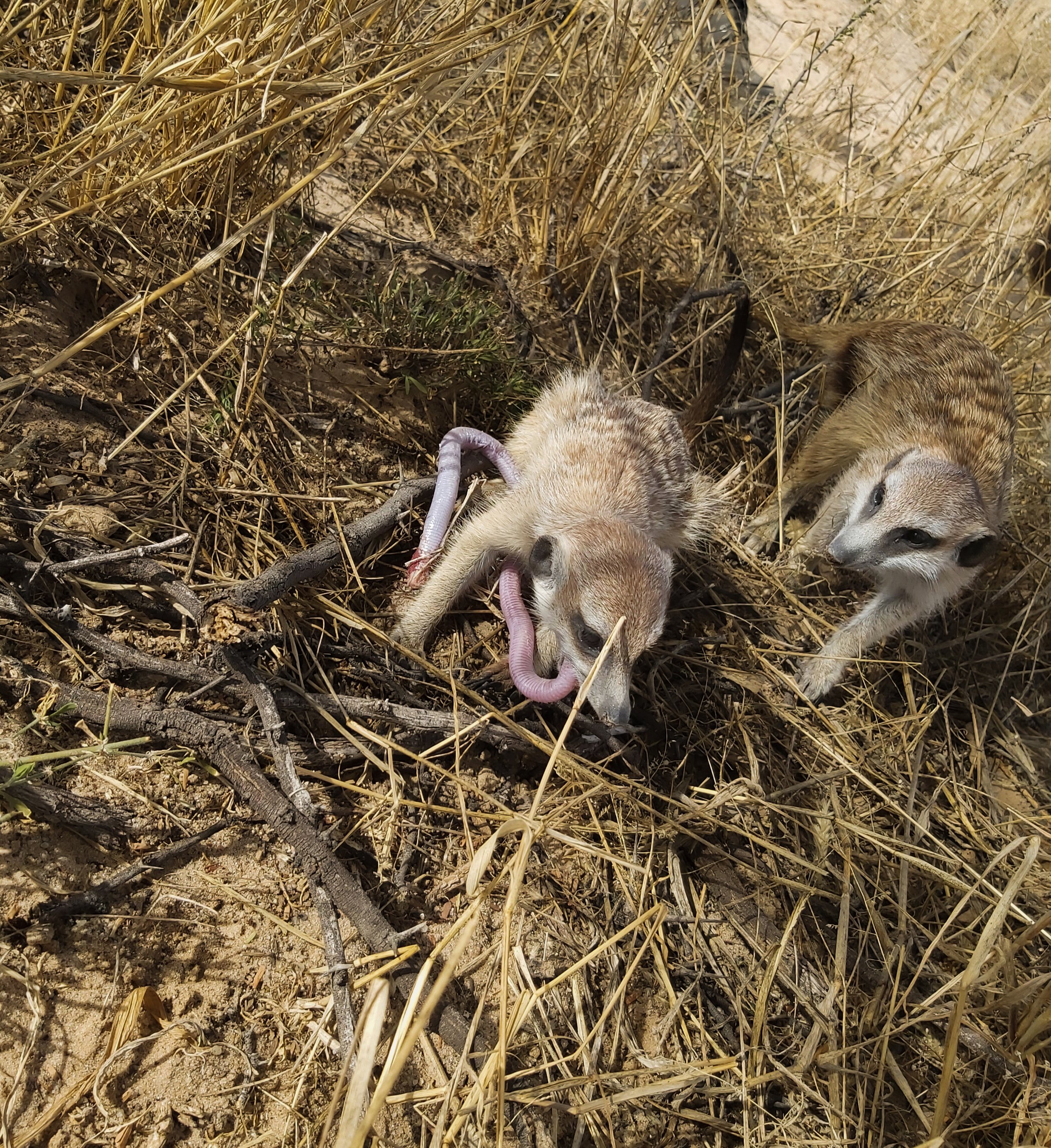
Throughout the day, meerkat groups remain highly vigilant of dangers, assigning a sentinel individual (or a few), whose job is to observe for potential danger, predators, or rival meerkats, approaching the groups.
Different meerkat groups co-inhabited the region of the Reserve, which enabled them to sometimes participate in between-group interactions.
Conflicts between the groups are costly in energy, so they were not observed too often. Nevertheless, if one did occur, it could sometimes lead to the injury or even death of some of the younger or weaker individuals, and/or to groups losing territory [5].
A study even showed that it would be the larger groups, and groups with pups, that are more likely to win a conflict over smaller groups, which makes these conflicts a selective force amongst meerkats [5].
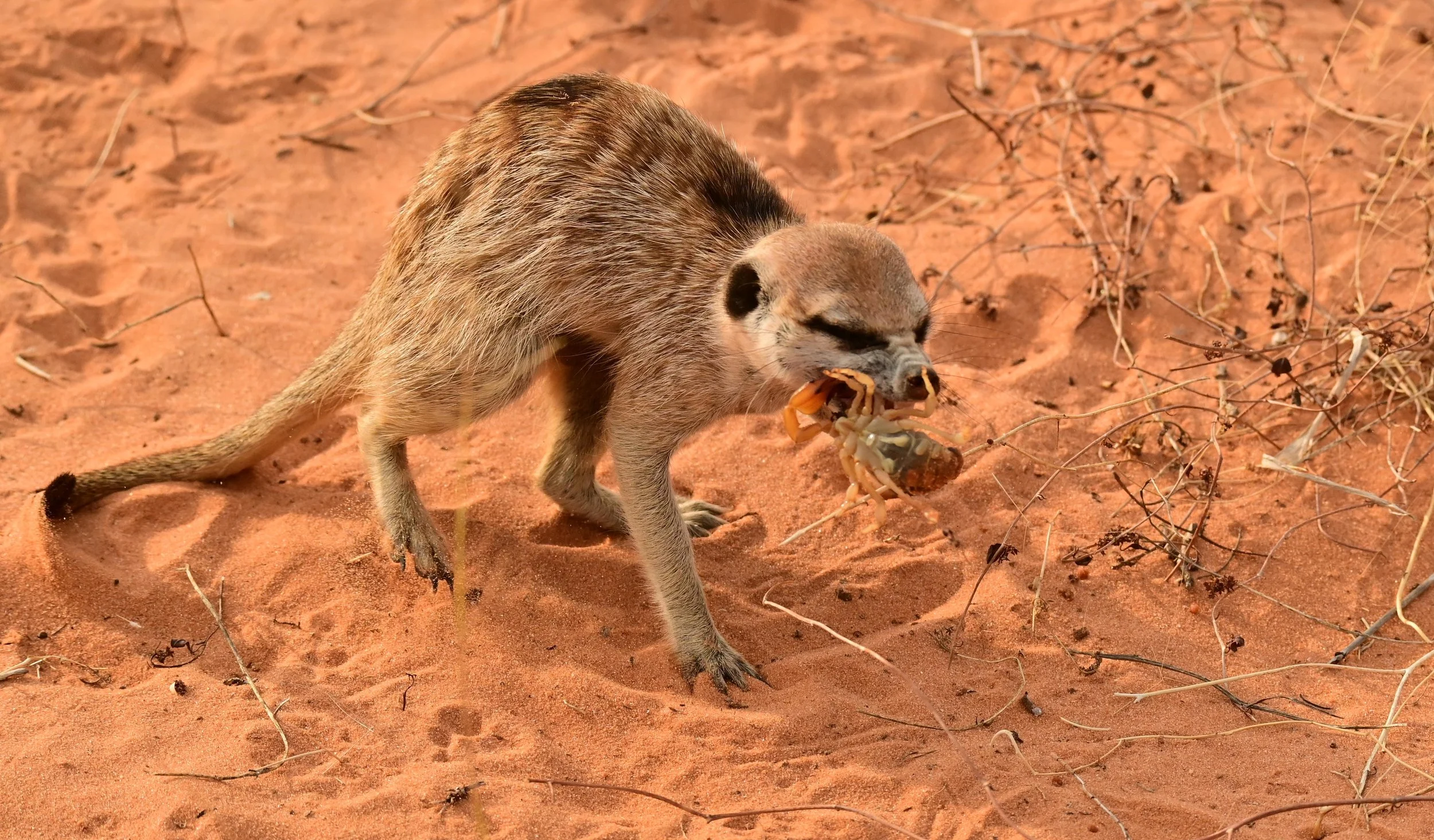
Meerkats often bite off the stinger of the scorpions when they catch them for a meal, even though they have higher resistance (immunity to some extent) to the scorpion’s venom.
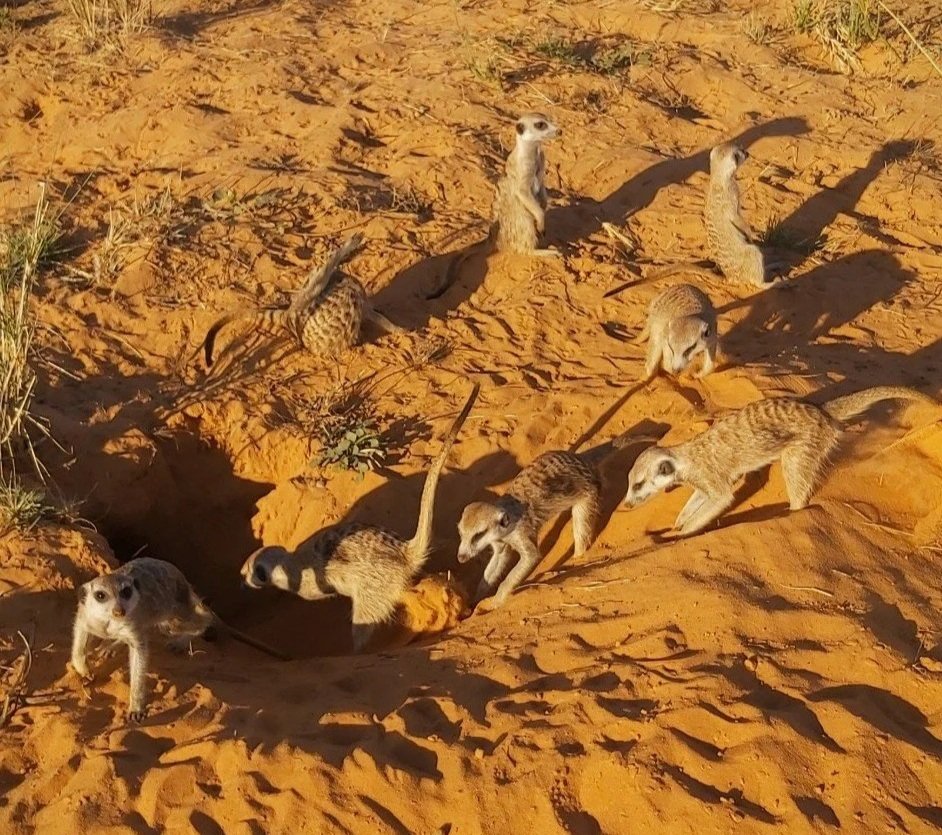
My observational work focused on the effect of meerkat group size on the spatial dispersal distance during the pup-raising period. Data was collected on the size of the group (number of individuals) during the from emergence of the pups above ground, to the the point when they would start foraging independently. Groups were categorised into small (up to 10 individuals), medium (11-20 individuals) or large groups (more than 20 individuals).
Maximum and average distance was measured for each of the meerkats’ foraging trips via GPS coordinates, along with the foraging duration. In addition, all other behavioural patterns were recorded as well, including sentinel behaviour, predator presence and reaction to predators.
Other environmental factors were noted as well, such as temperature and rainfall (if any).
Meerkats maintaining a bolthole.
Meerkats are highly sociable mammals, roughly consisting of groups of between 3 and 50 individuals [2].
Each group consists of a pair of a dominant female and male, who account for most of the reproductive output, and also subordinate adults (who breed a little or not at all, but still help rear the offspring), juveniles, and pups of either sex [3].
Usually, the females would remain in their natal group in order to compete for dominance as they grow up, compared to males. They, instead, would rather leave their natal group at around 2-years-old and roam around to join a new group. There, they would eventually compete for dominance [4].
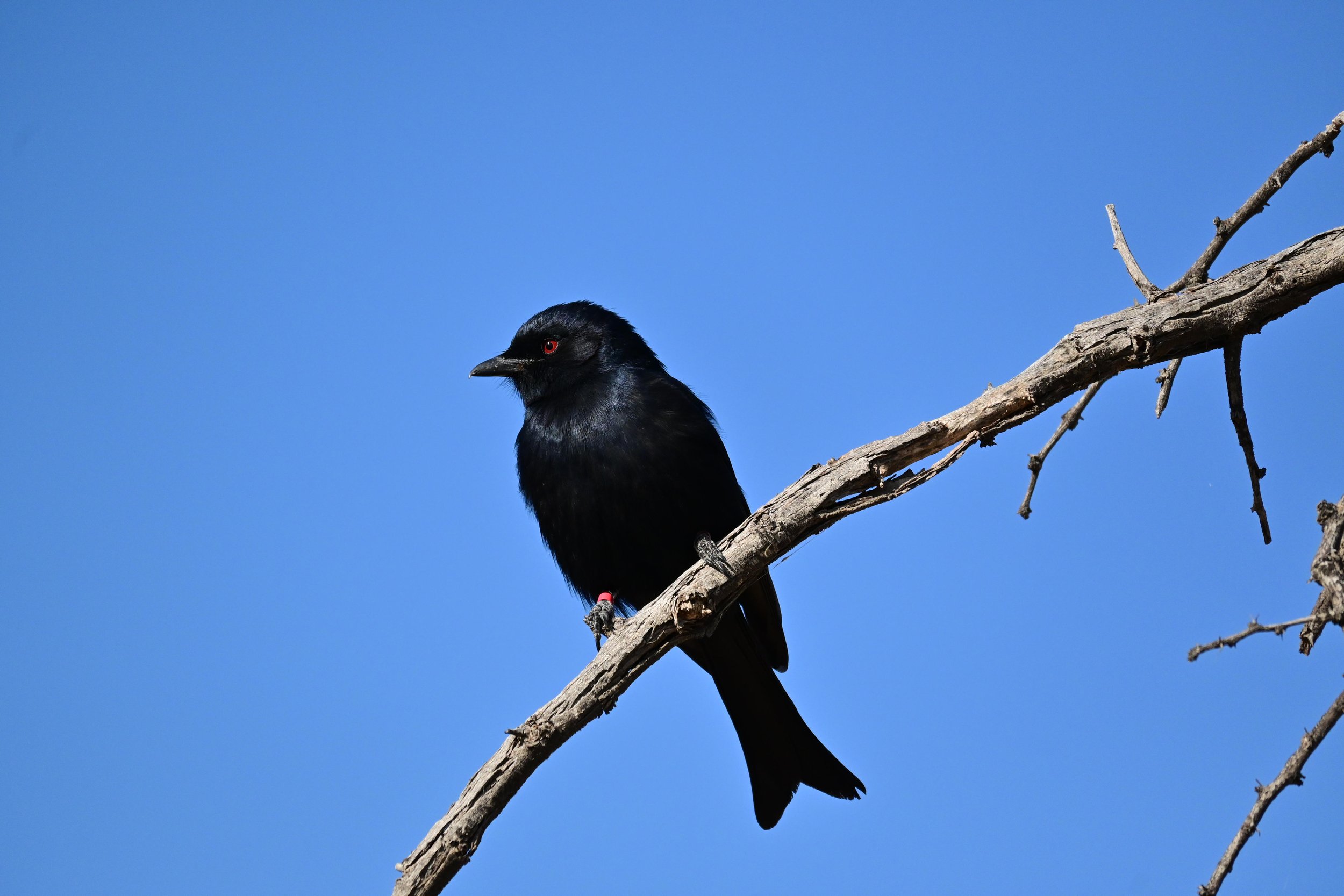
Meerkats interact with other inhabitants of the savanna as well. For instance the fork-tailed drongos (Dicrurus adsimilis, left) fly around the foraging meerkat groups during the day.
Sometimes these birds make drongo-specific and mimicked false alarm calls, which cause the meerkats to flee and hide, abandoning their prey. The drongos then swoop in and steal the meerkats’ prey.
Interestingly, both the drongo-specific and the mimicked alarm calls are structurally indistinguishable from true alarm calls, against predators [6].
What I loved the most was habituating the wild groups to human presence, with the aim to incorporate them to the data collection groups. Following strict protocols, the aim was to establish a close contact with the wildest groups and teach them to feel comfortable enough with us observing them from a close distance, so they can exhibit their natural range of behaviours without getting skittish.
.
Below are some more images capturing the daily field work.
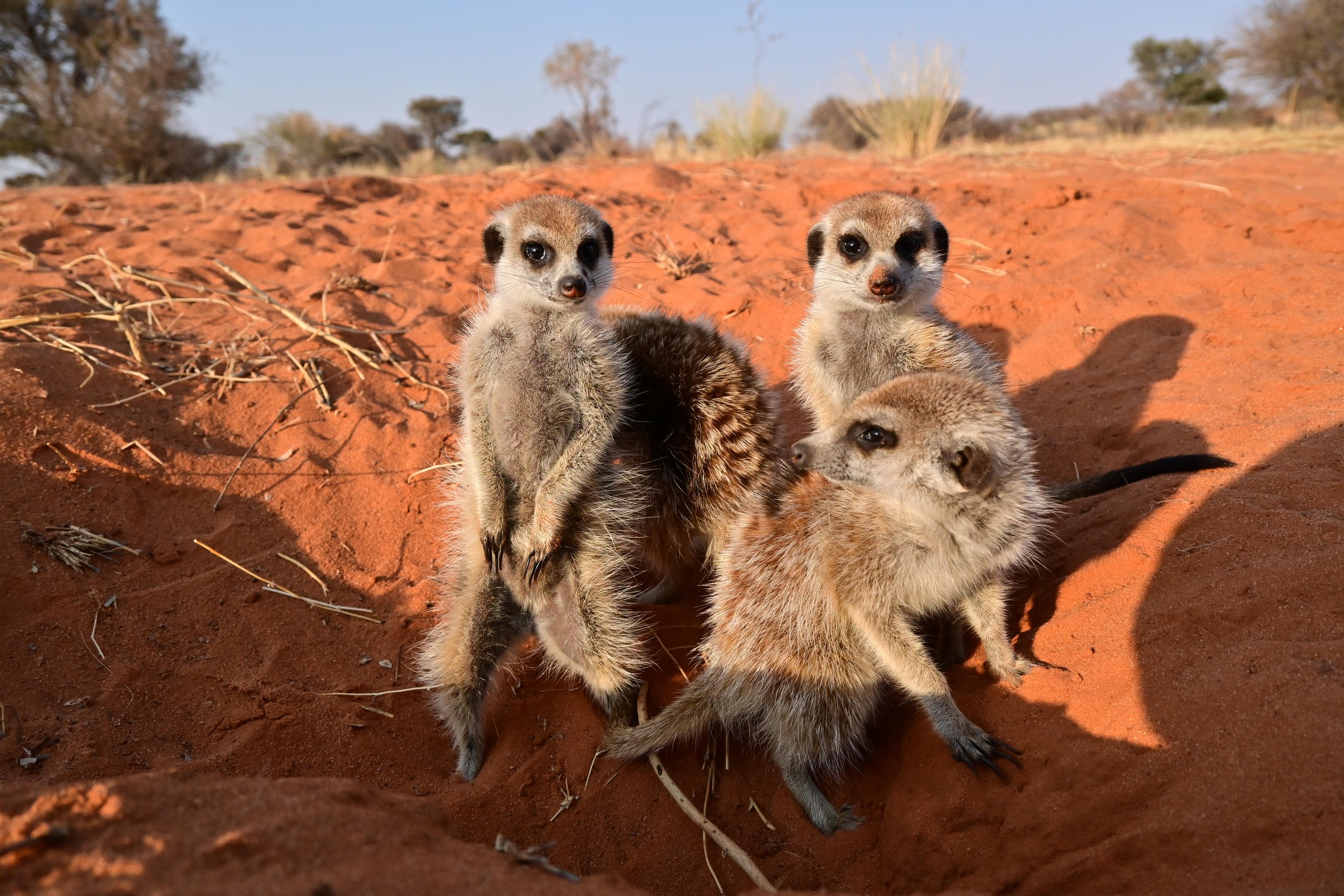
Group "Runaways" emerging from the burrow in the morning. KRC
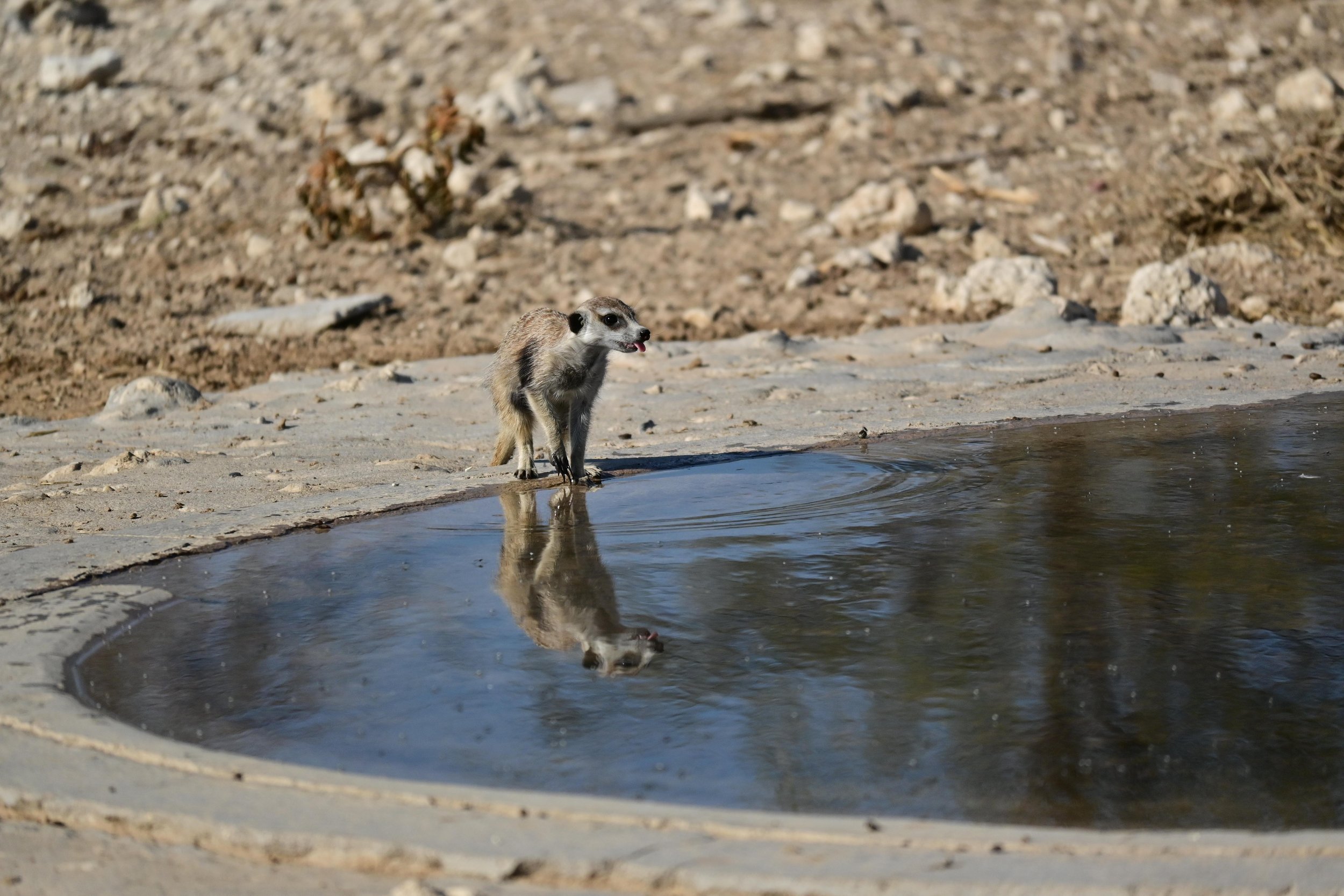
Meerkats get their water intake predominantly from their diet. They rarely drink water directly. KRC
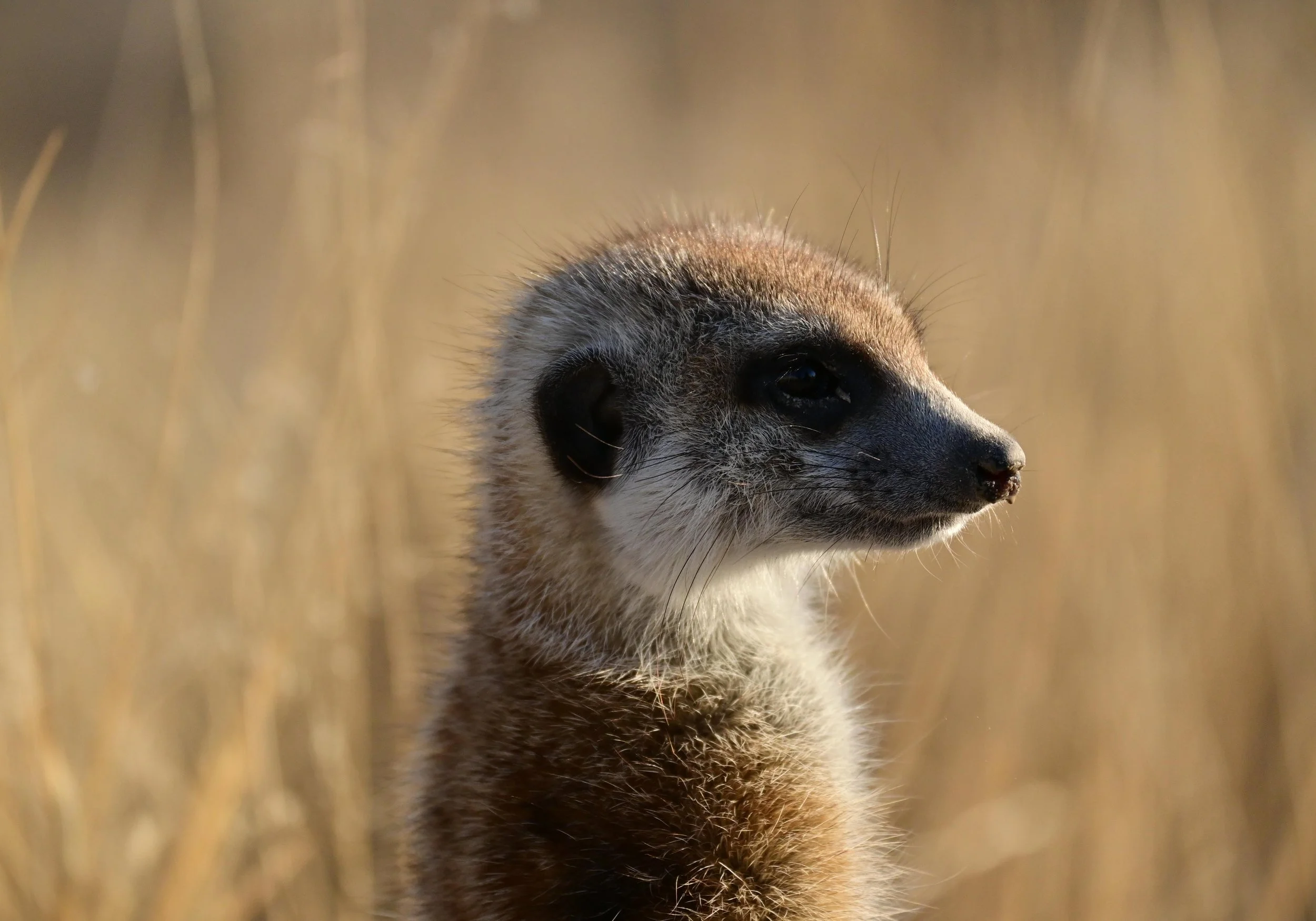
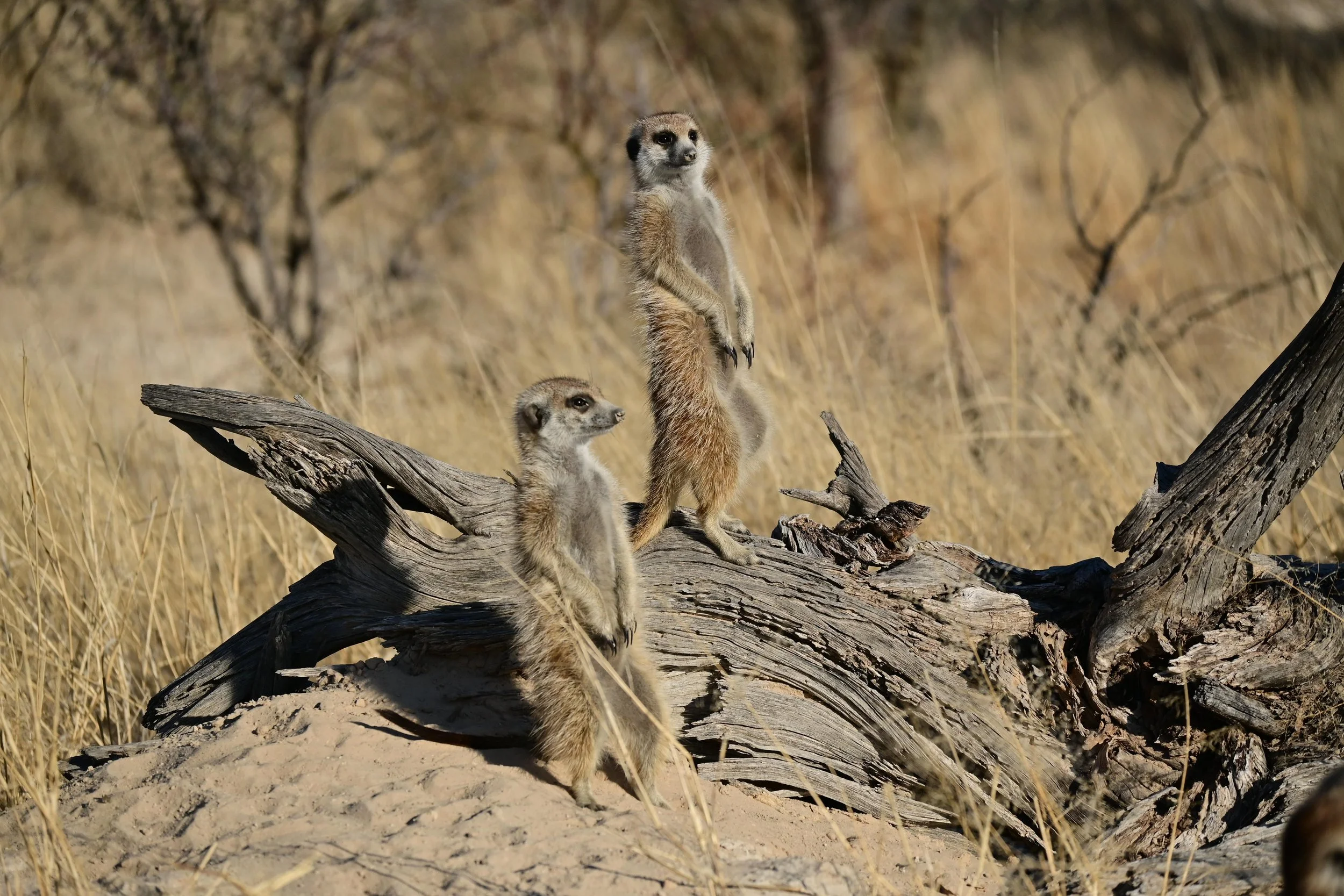
Sentinel individuals looking out for danger
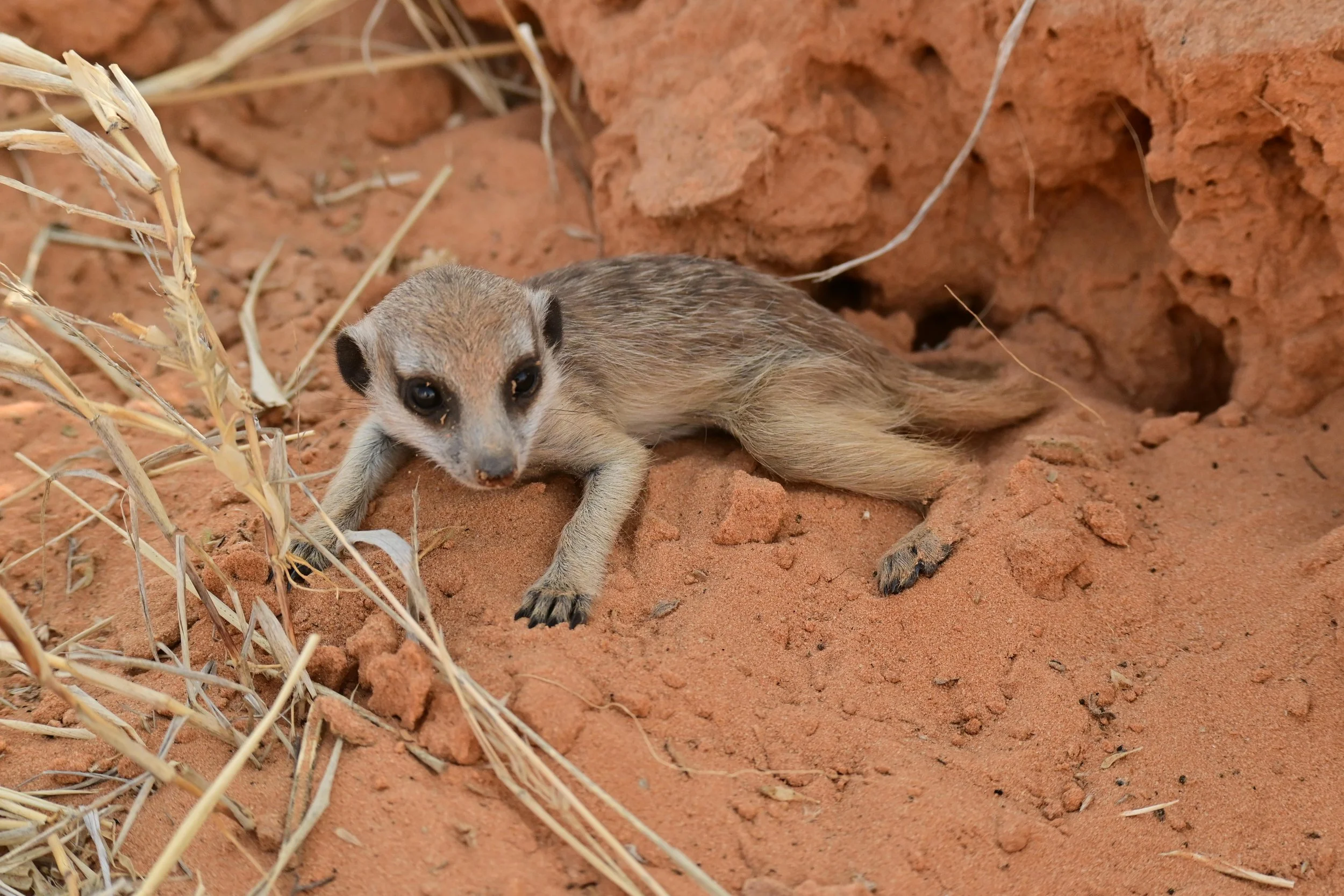
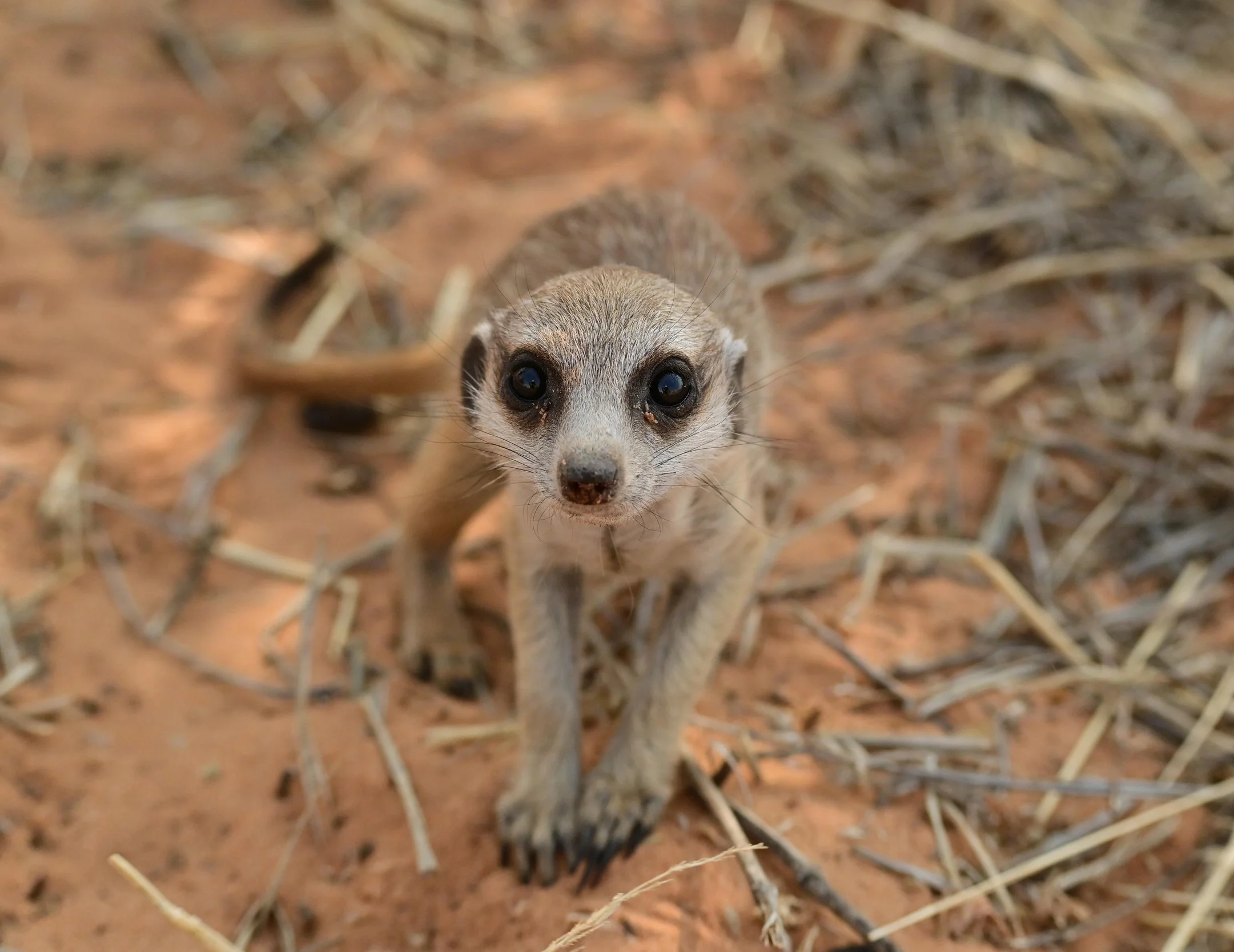
A pup, cooling in the shade. Pups would only emerge from the natal burrows when they are around 3-4 weeks old.
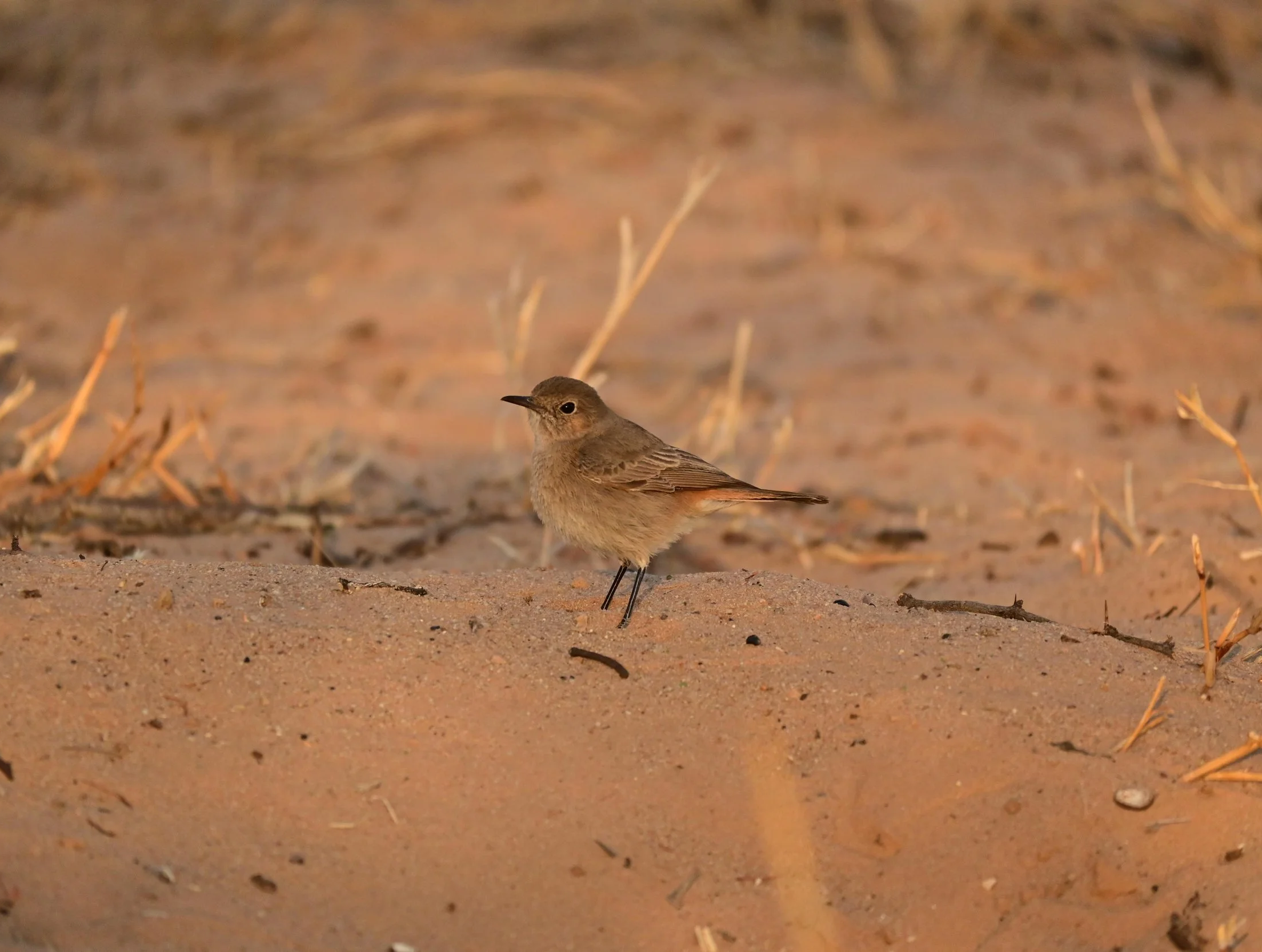
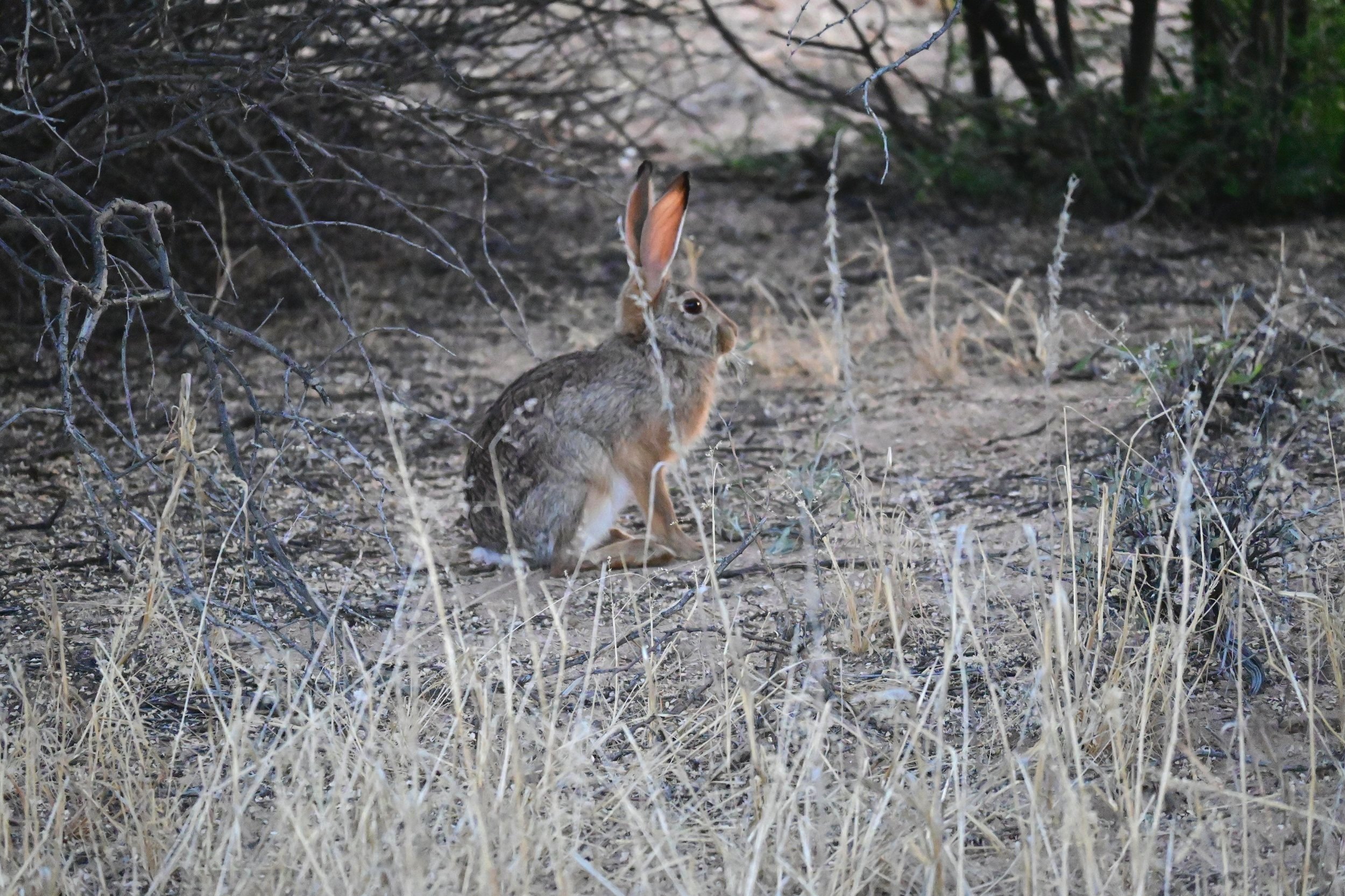
Familiar chat (Oenanthe familiaris), LC, KRC
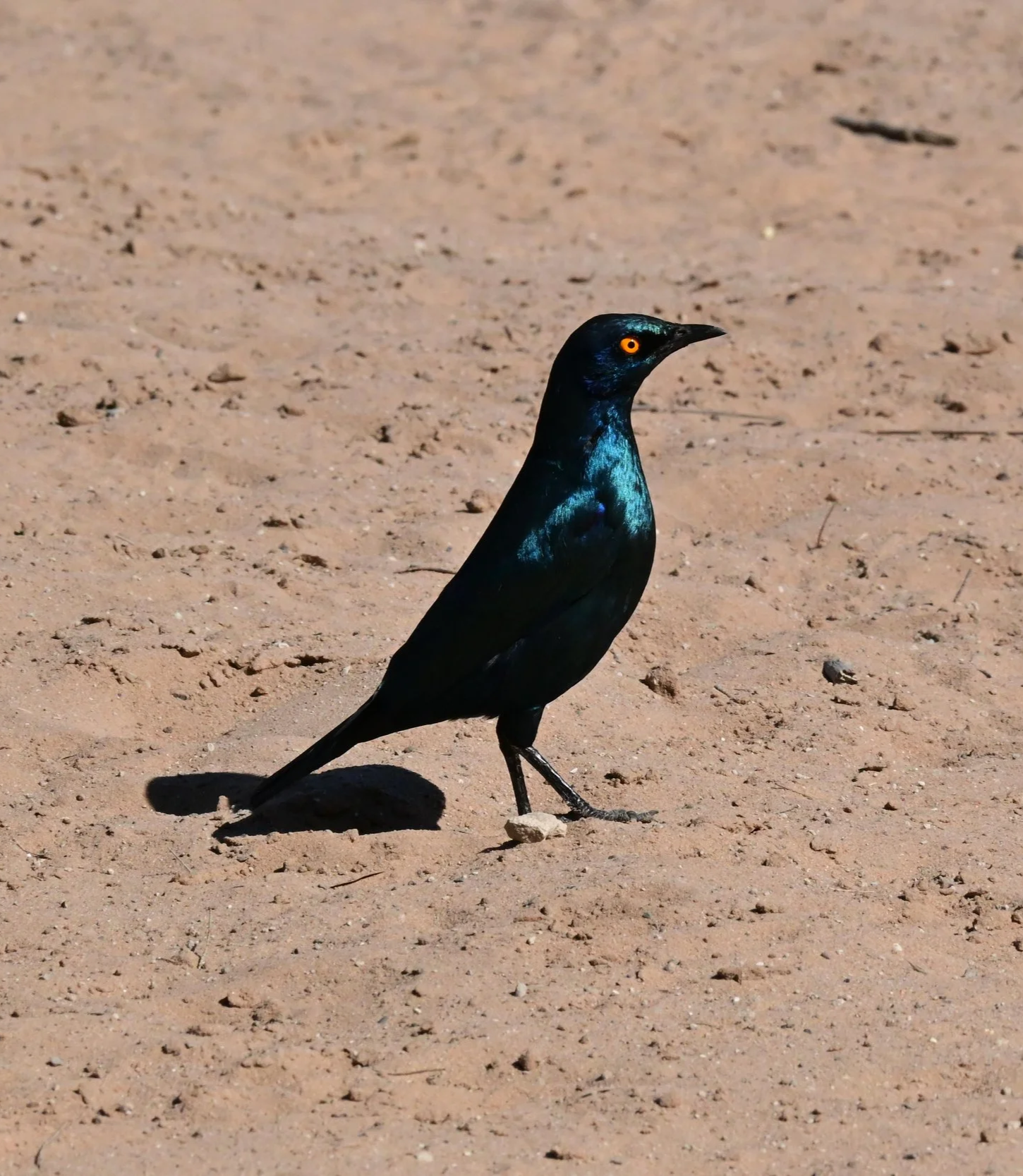
Cape Glossy Starling (Lamprotornis nitens), LC, KRC
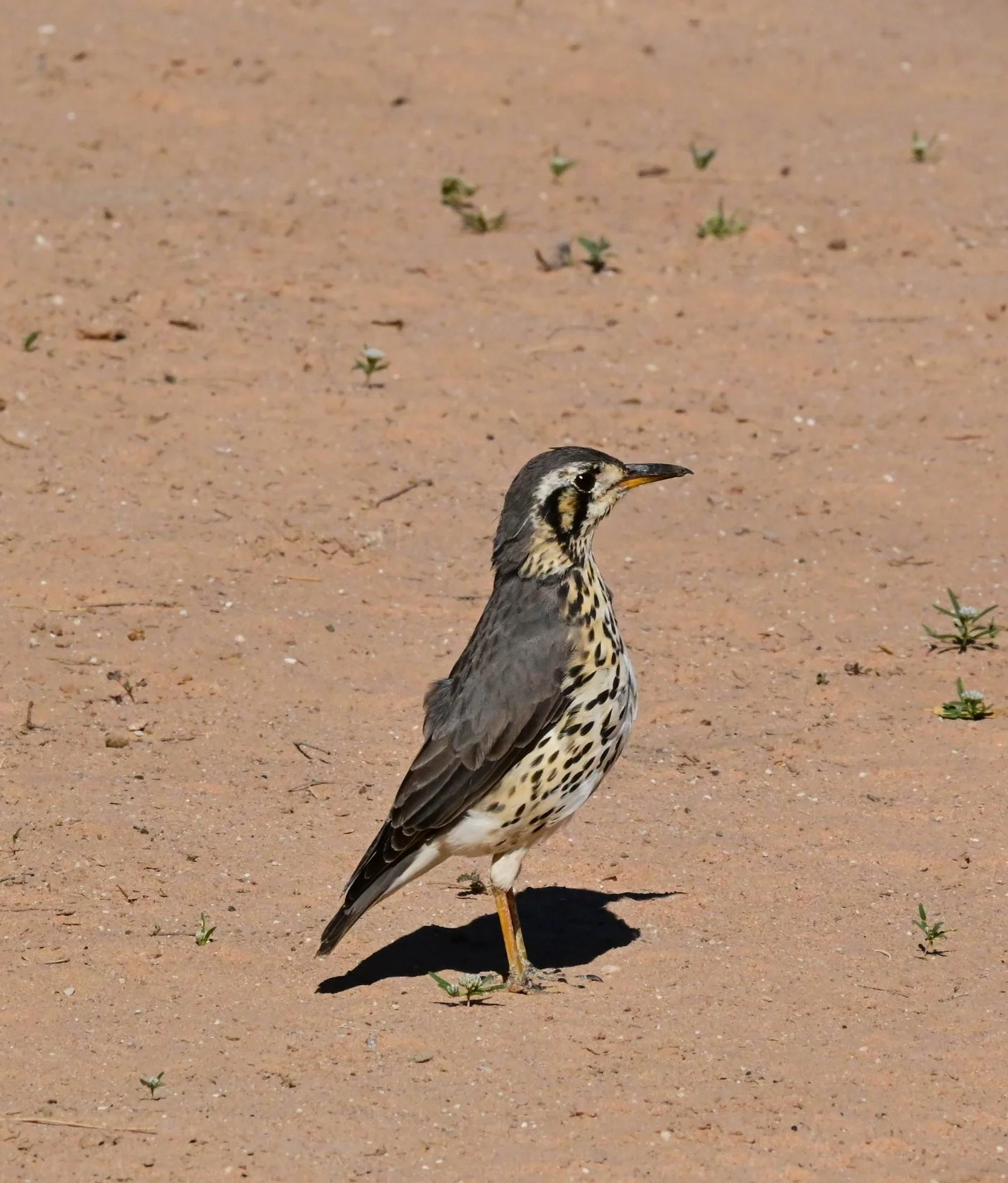
Groundscraper thrush (Psophocichla litsitsirupa), LC, KRC
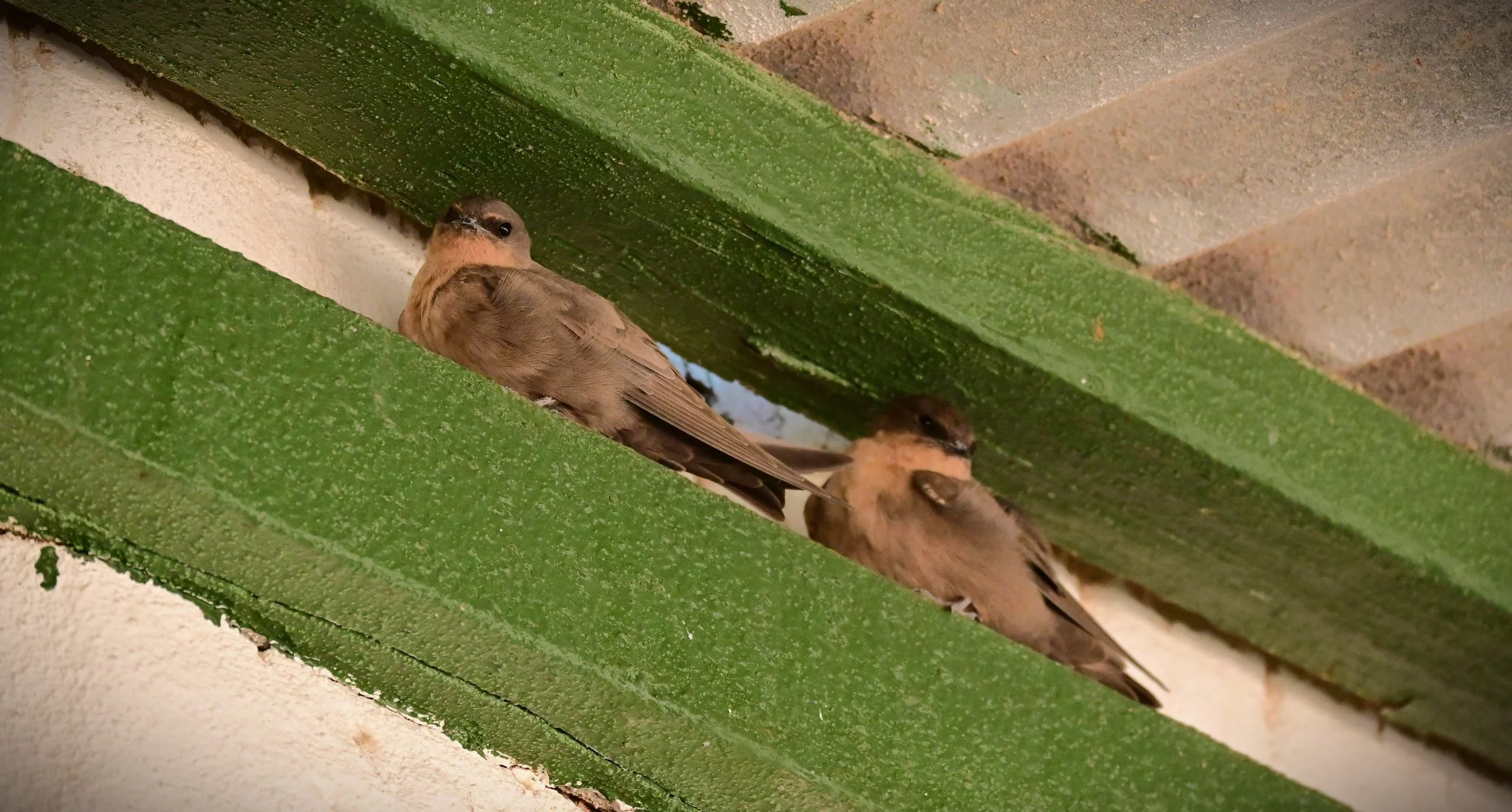
Rock martin (Ptyonoprogne fuligula), LC, KRC
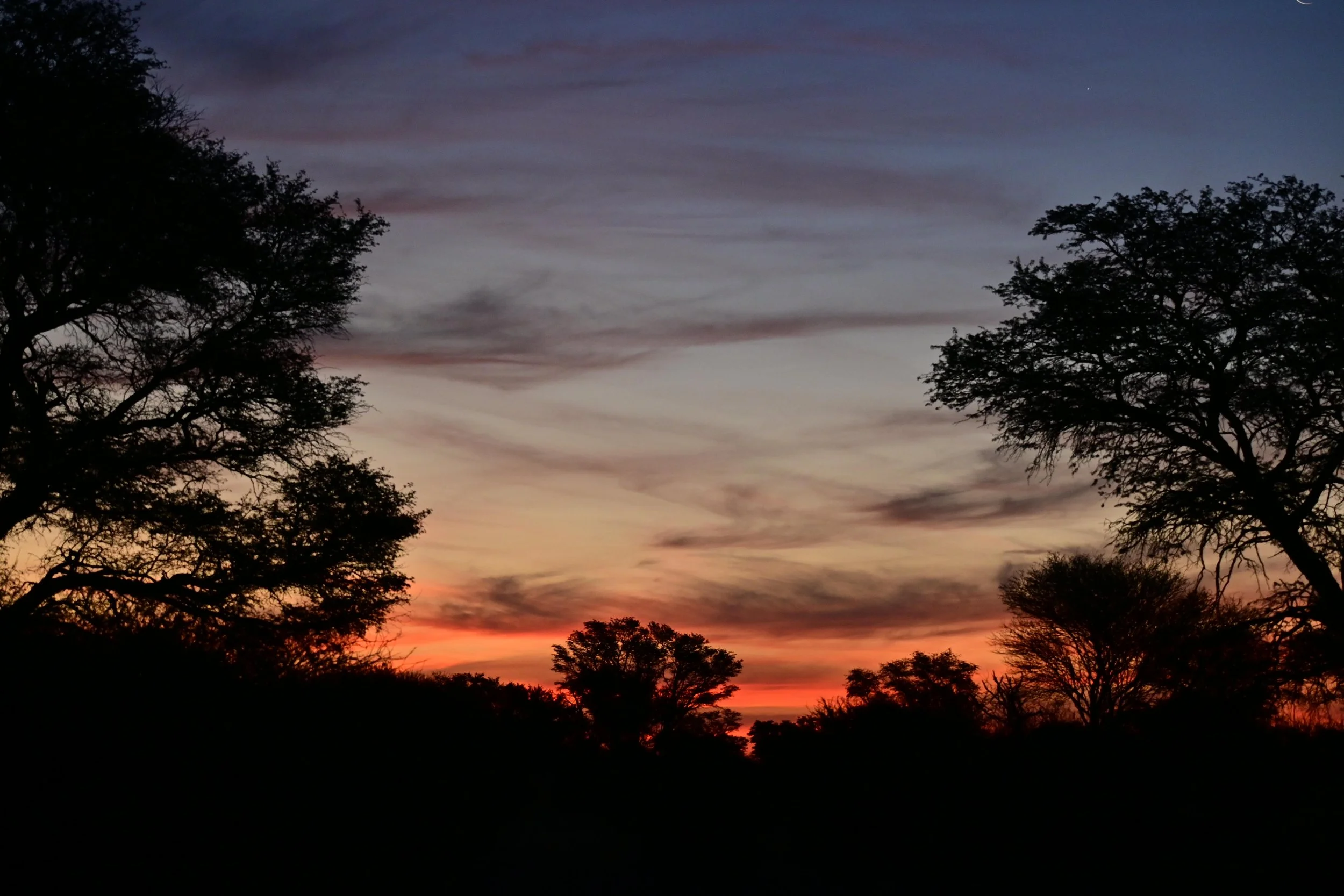
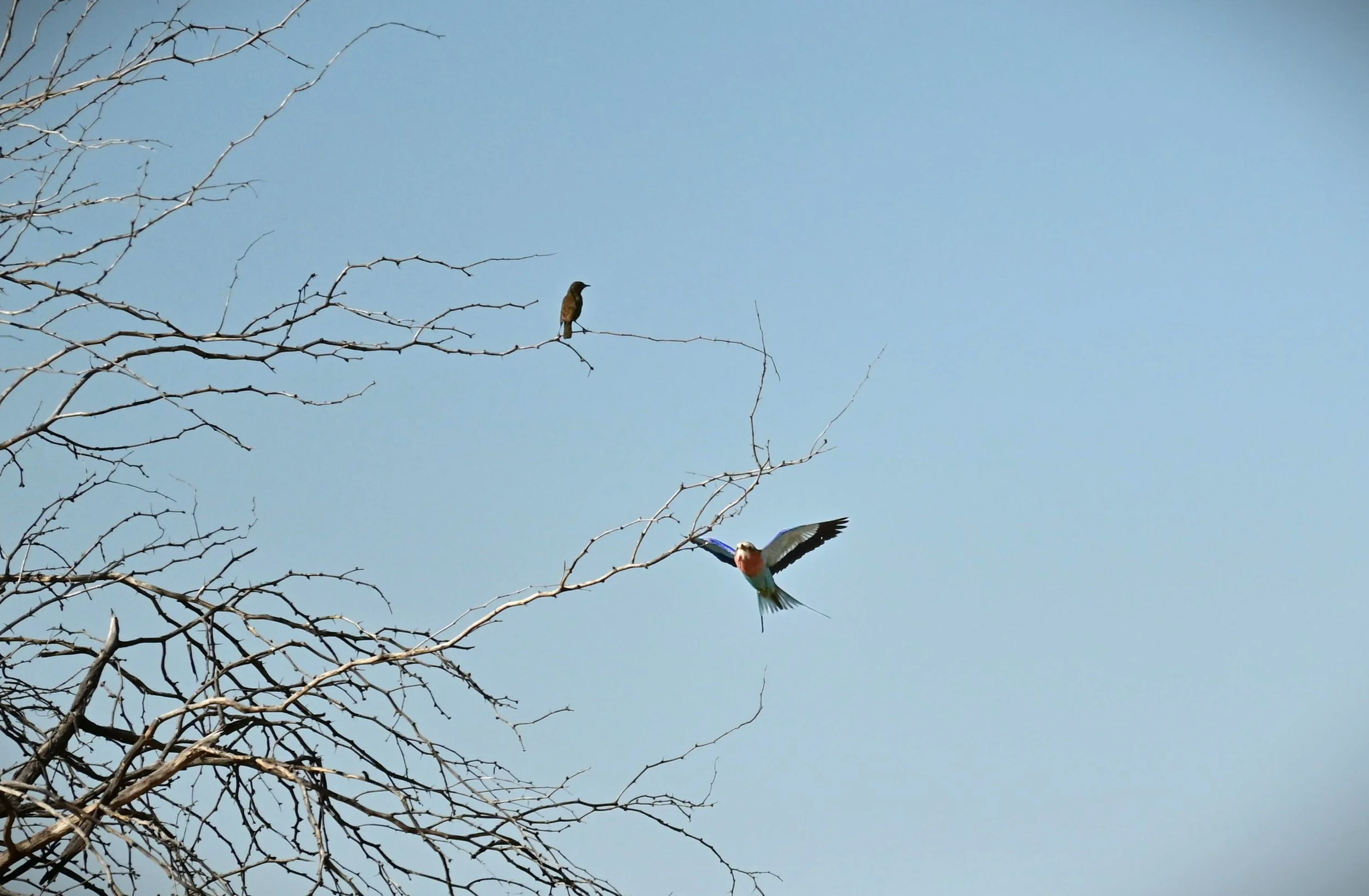
Lilac-Breasted Roller (Coracias caudatus), LC, KRC
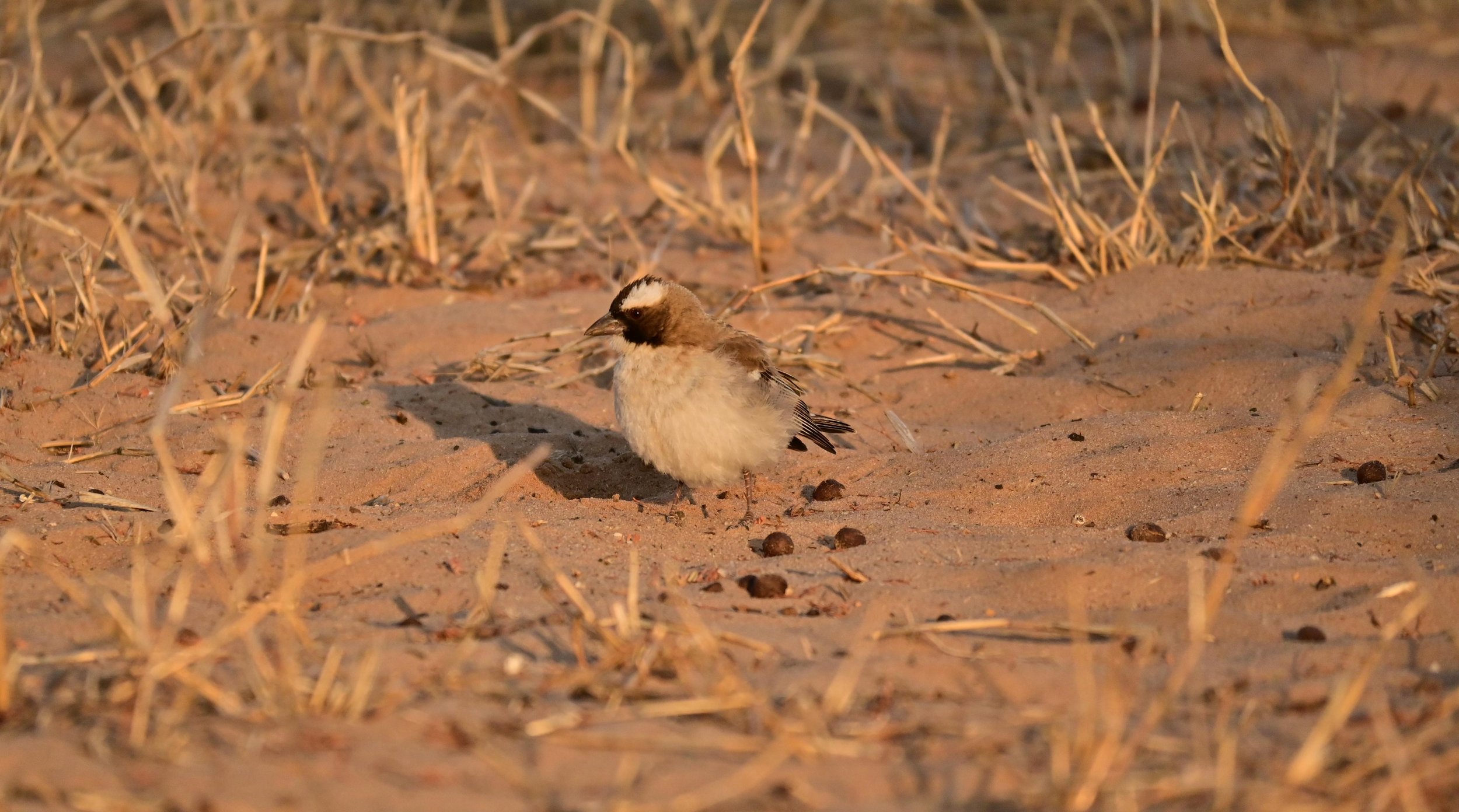
White-browed sparrow-weaver (Plocepasser mahali), LC, KRC
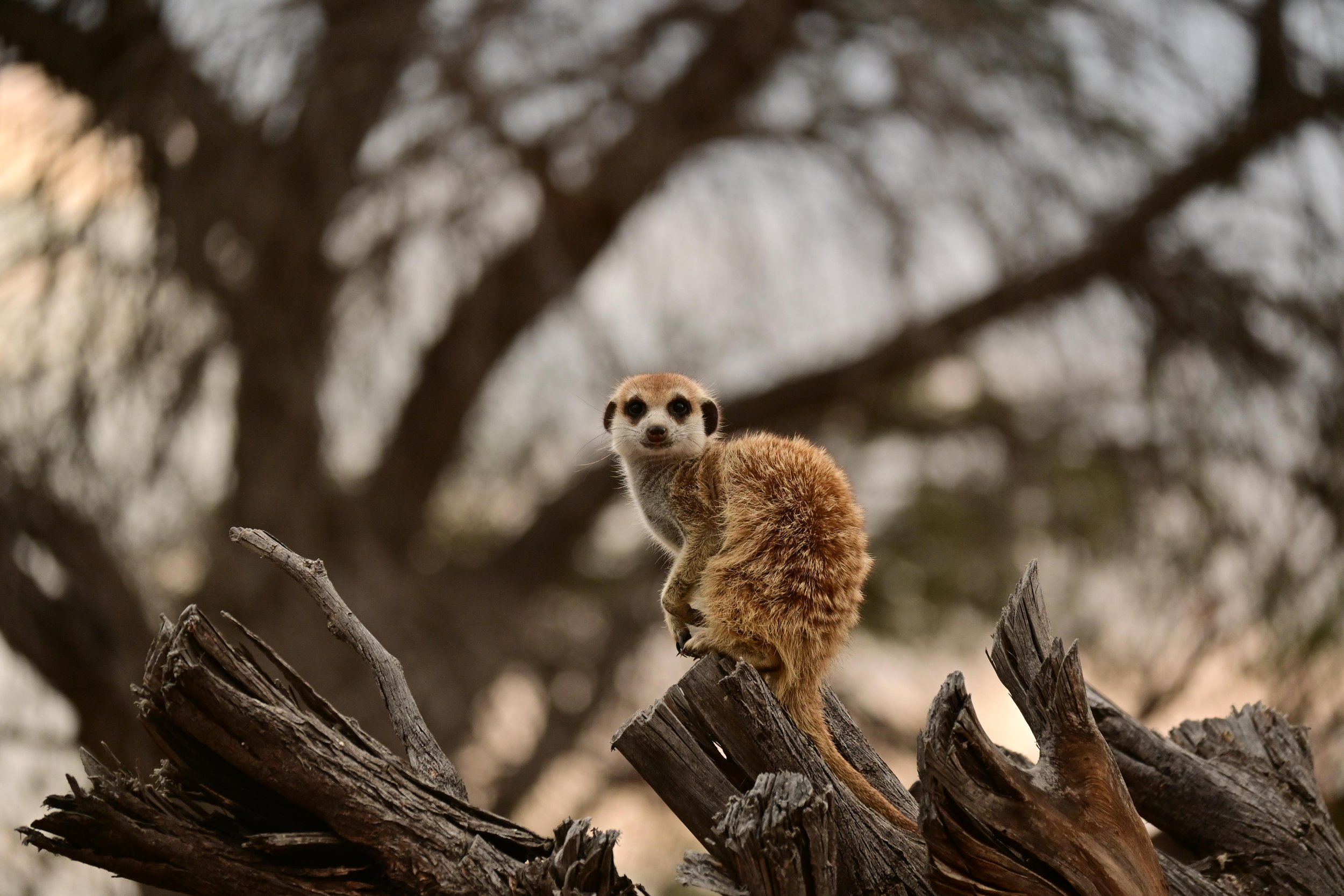
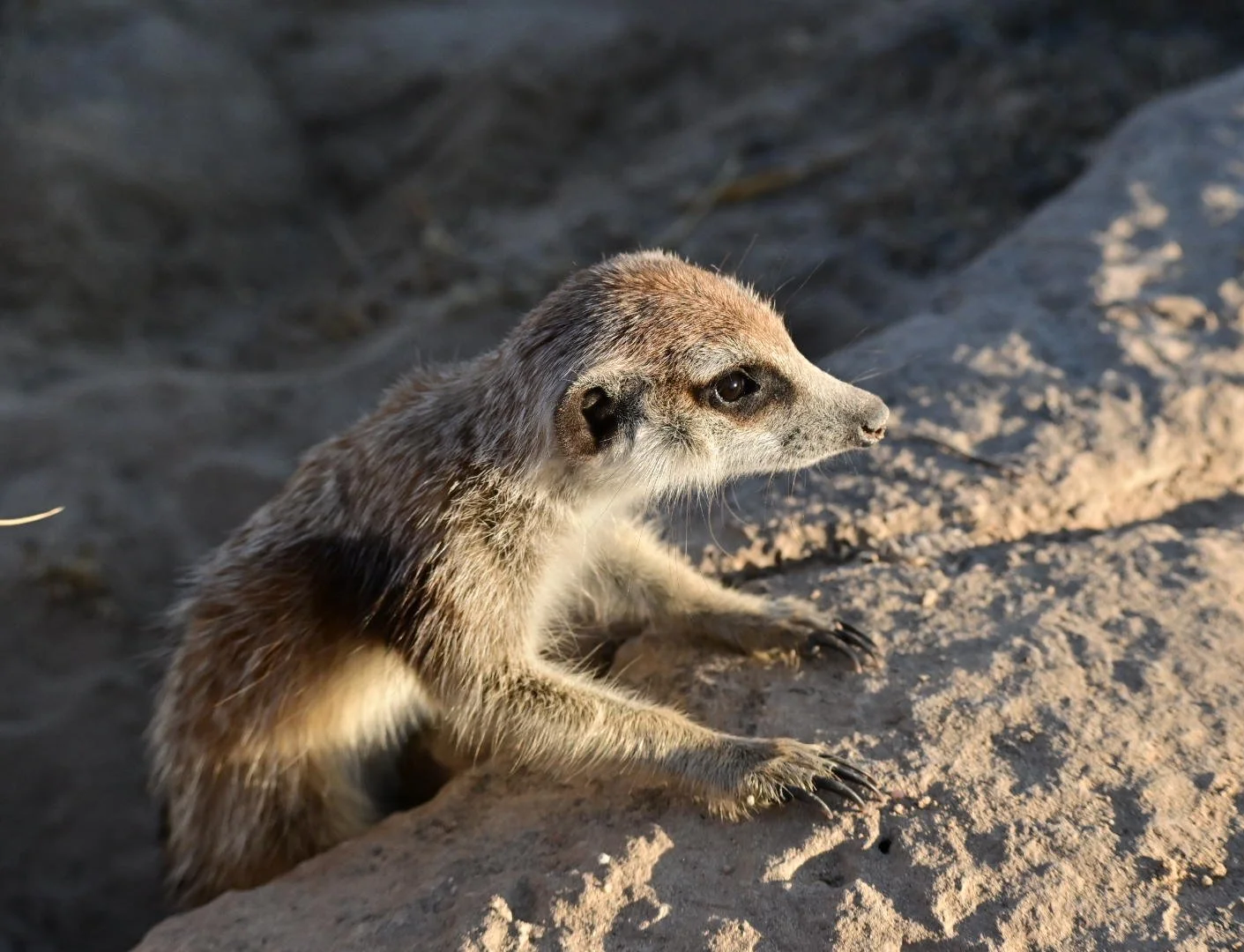
An individual from a wild group, being vigilant during a habituation session. KRC
Conservation

Rising global temperatures, causing extreme weather events, such as heatwaves, fires and draught, are becoming more frequent and intense. This extreme heat limits the hours meerkats can actively and safely forage above ground, reducing their ability to find food and care for their young.
Shifts in the rainfall patterns are also altering the regular availability of insects and other prey, whilst prolonged droughts reduce vegetation cover and increase predation risks.
Such environmental stresses can disrupt the complex structure that the meerkats are a part of, making it even more challenging for conservationists, to protect not only the animals themselves, but also the fragile savanna ecosystem they depend on.
Travel and Exploring

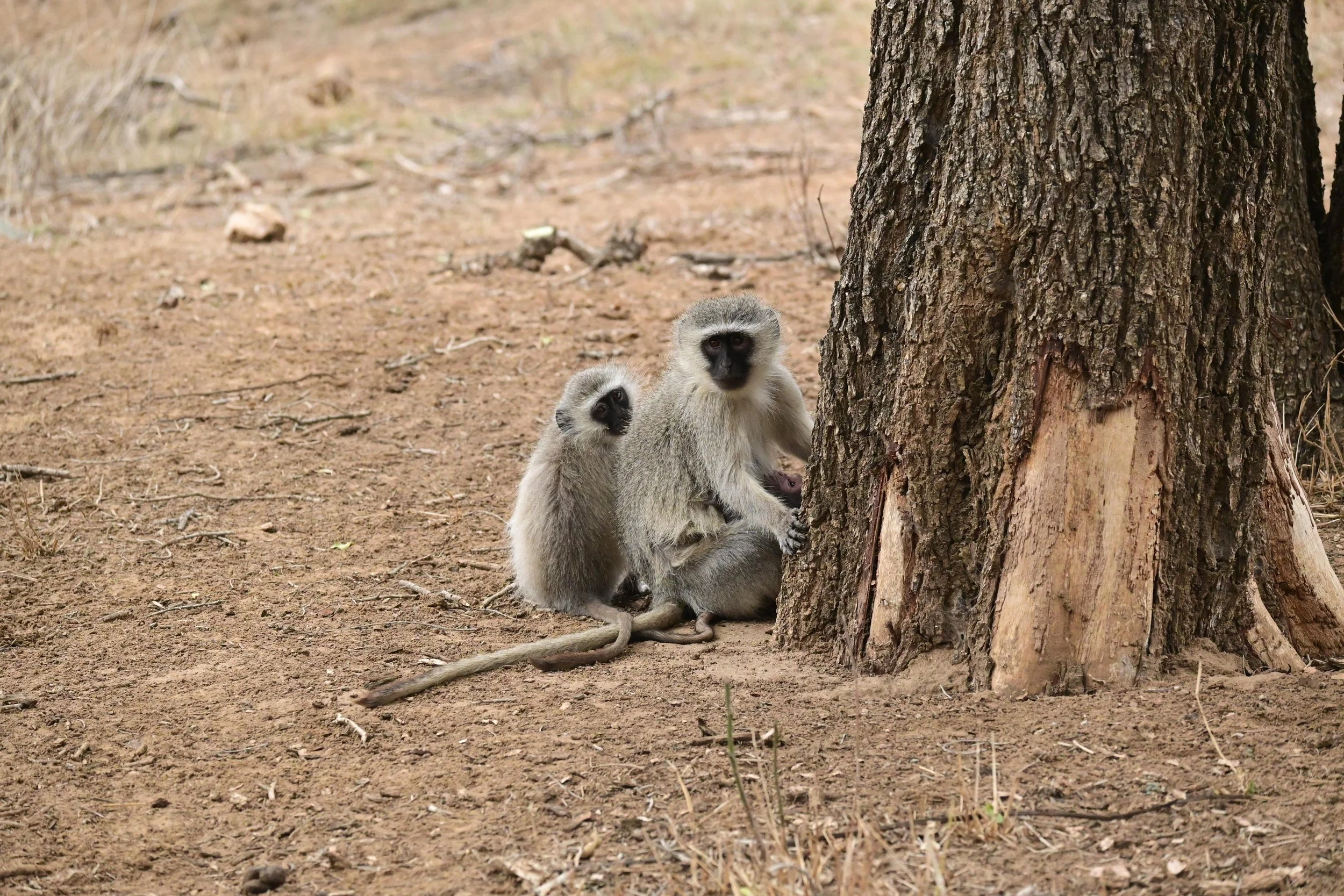
After leaving the Kalahari, my next was stop were the Drakensberg mountains.
I only managed to marvel at a small trek across to The Sterkspruit Waterfall where troop of Vervet Monkeys welcomed me along the way.
The real adventure truly began when I finally crossed the country and reached a small resort town on the coast, just south of Durban, named eMkhomazi (or Umkomaas). I dived to explore the unmatched beauty of the underwater world, with coral reefs, a vast variety of fish, Ragged-tooth sharks, and Sea Turtles.
Then I set off north, along the coastline, towards The iSimangaliso Wetland Park. I was based in St Lucia for a few days, a small village at the very south edge of the Park, full of freely roaming hippos on the streets and Vervet monkeys jumping off the trees into the gardens.
I witnessed some fascinating wildlife there: from Impala, Kudu and Waterbuck, through Hippos, African Buffalos, and Zebra, to Crowned hornbills, Mynas, Hadada ibis, a group of Saddle-billed storks with their young, and many many more.
In the gallery below are included just a few of the remarkable species I observed.
Hippos grazing on the mows of the houses, along the passing traffic.
Next, I made my way to the Kruger National Park, where I spent around a week, camping across the designated campsites, having tarantulas in the kitchen space, a warthog sniffing around the tents during an online job interview I had, and some hyenas browsing through the garbage bins at night.
I saw the spectacular Baobab trees, a pride of lions, Spotted Hyena with their cubs, an African leopard yawning on a tree after a filling meal, giraffes necking, a Secretary Bird, and loads of species of birds, such as kingfishers, egrets, jacanas, oxpeckers, sunbirds, shrikes, bulbuls, bee-eaters, and many others.
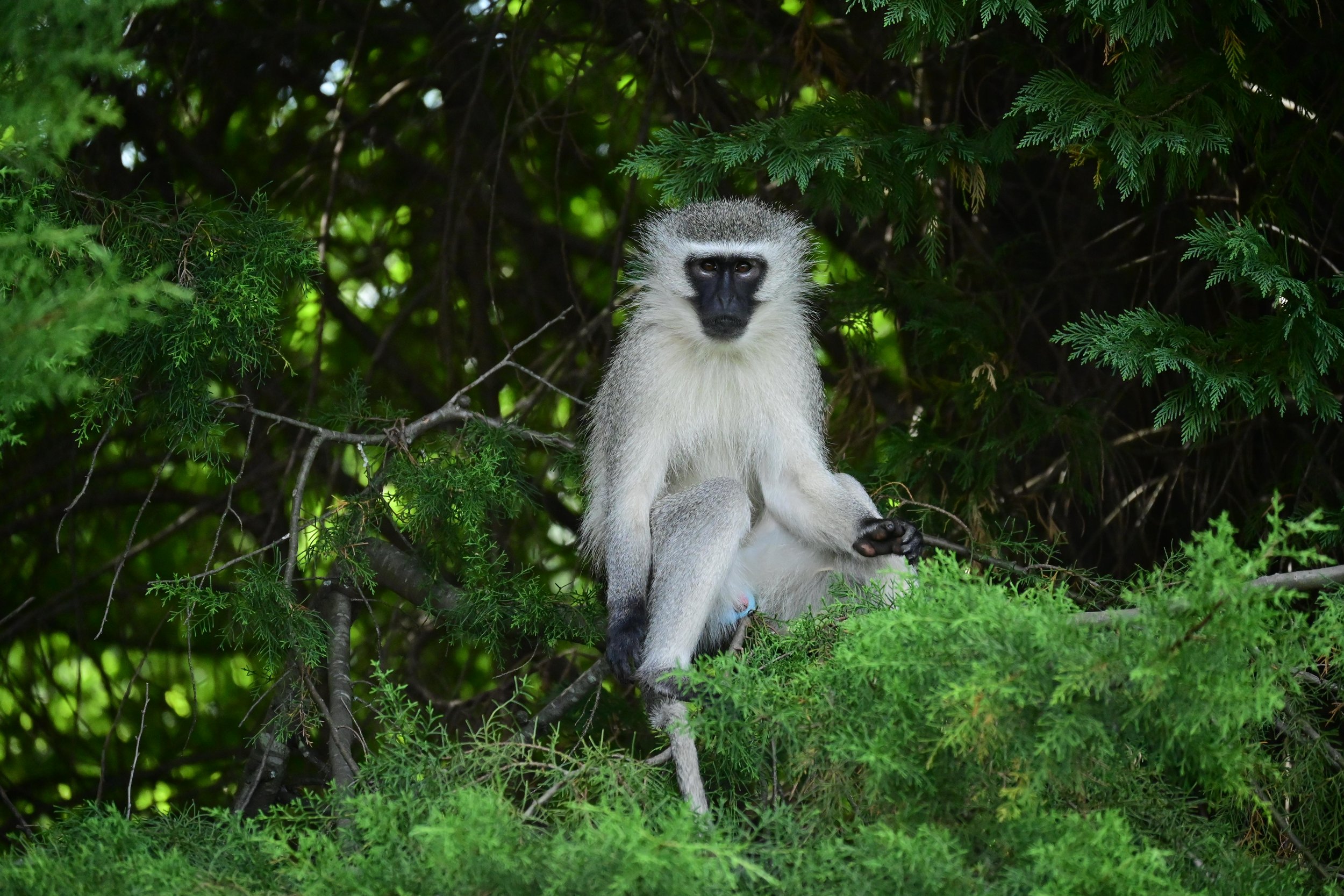
Vervet Monkey (Chlorocebus pygerythrus), LC, St Lucia, iSimangaliso Wetland Park
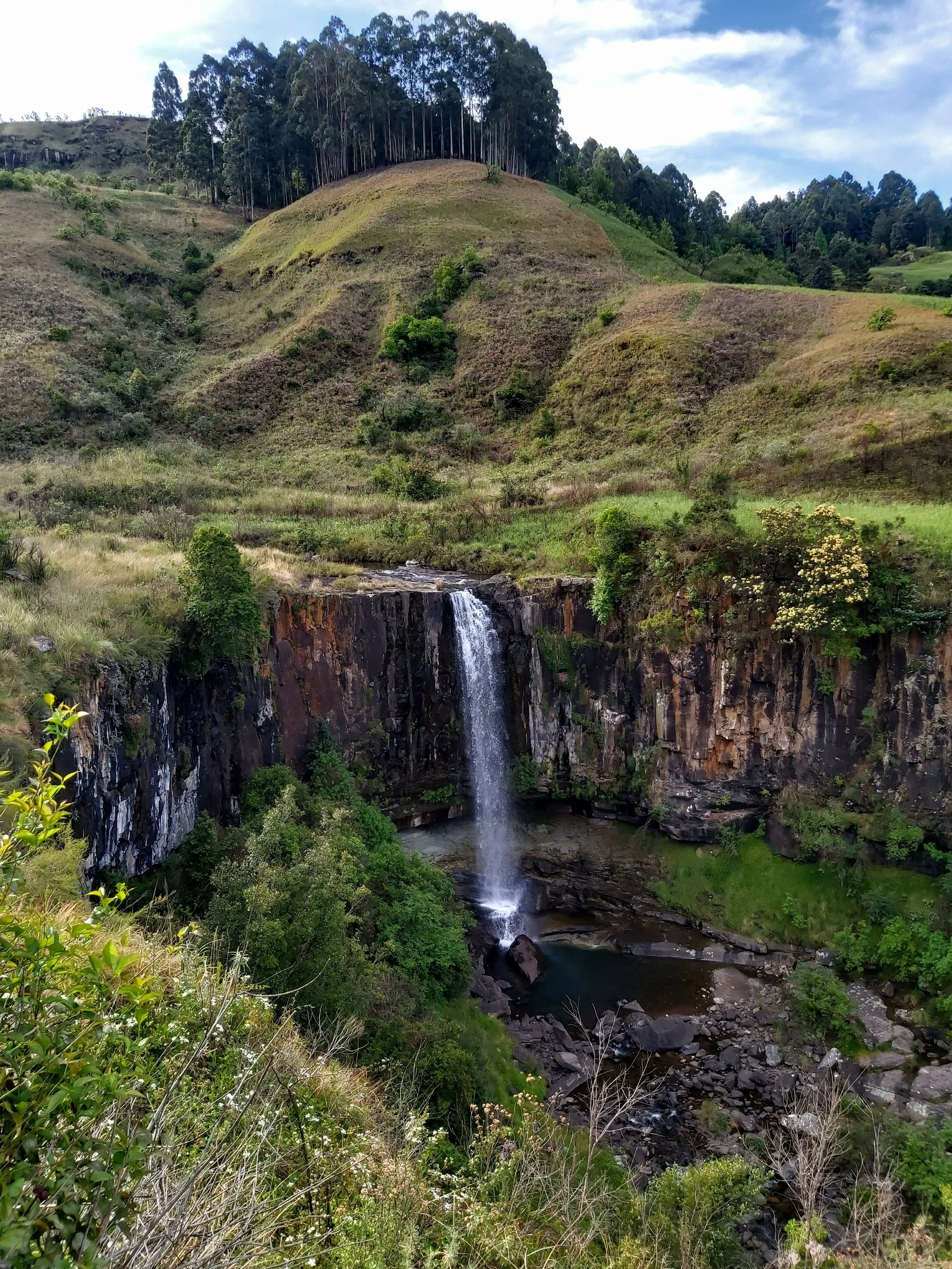
Sterkspruit Waterfall, Drakensberg Mountain
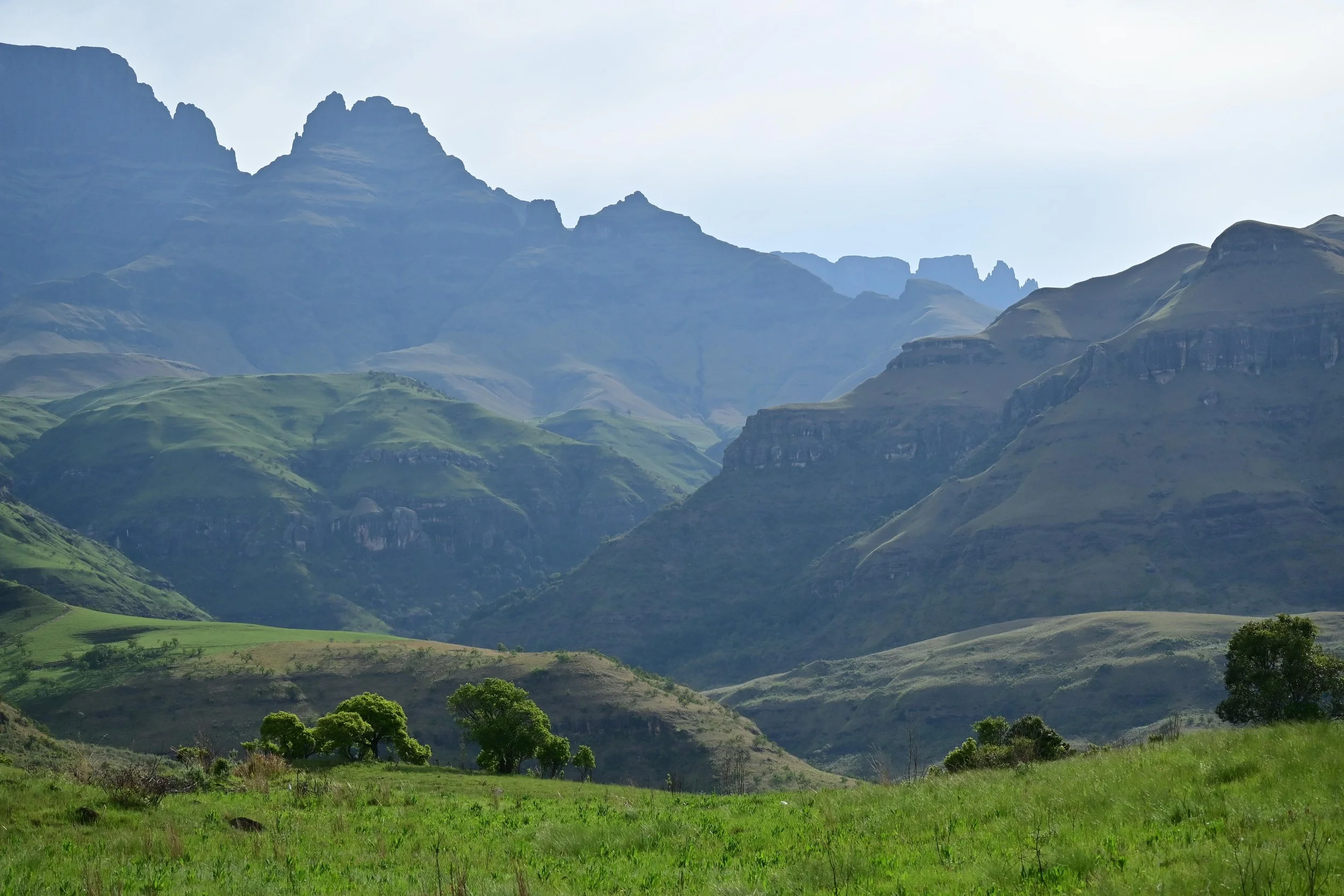
Drakensberg Moutan Range, South Africa
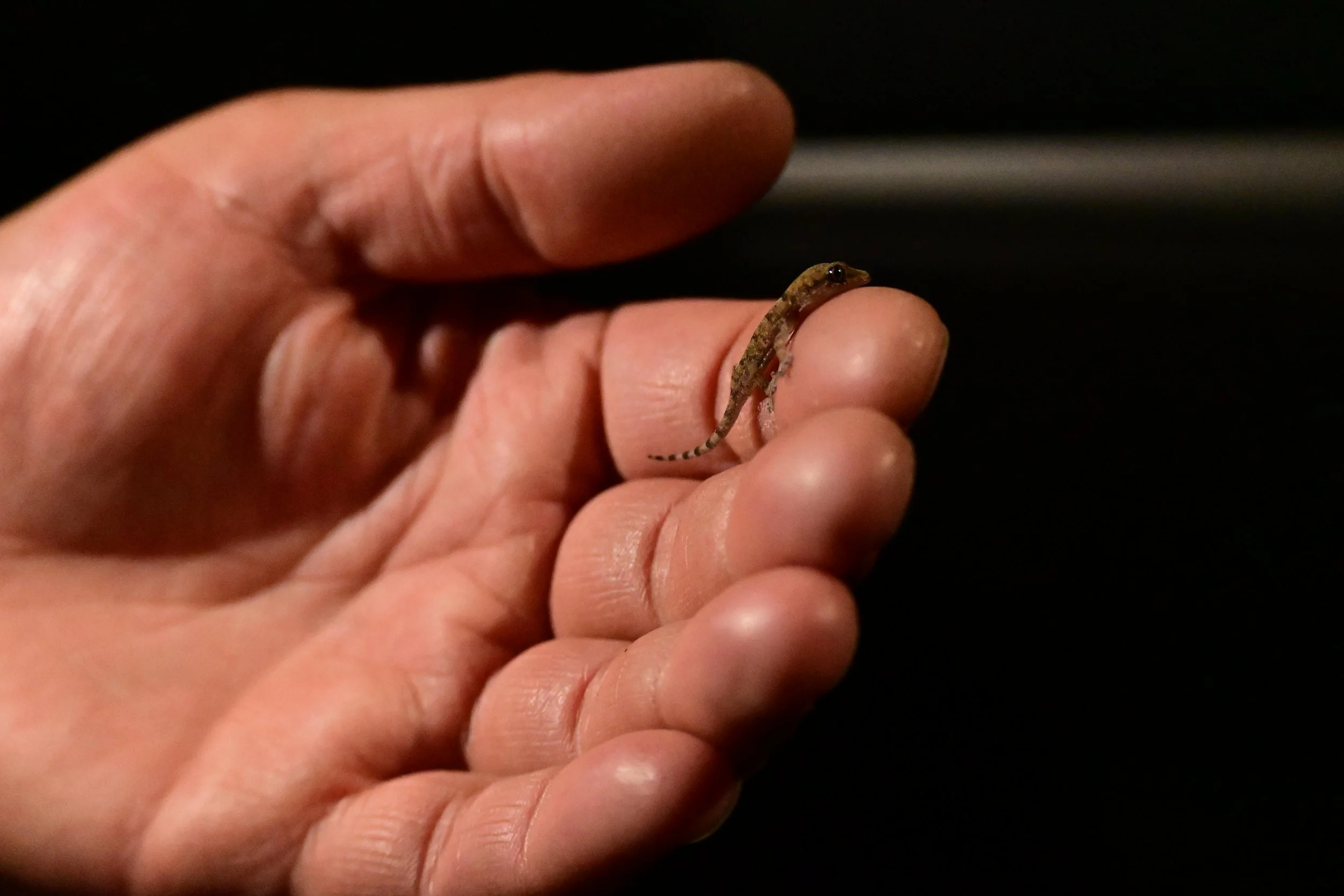
Drakensberg Moutan Range, South Africa
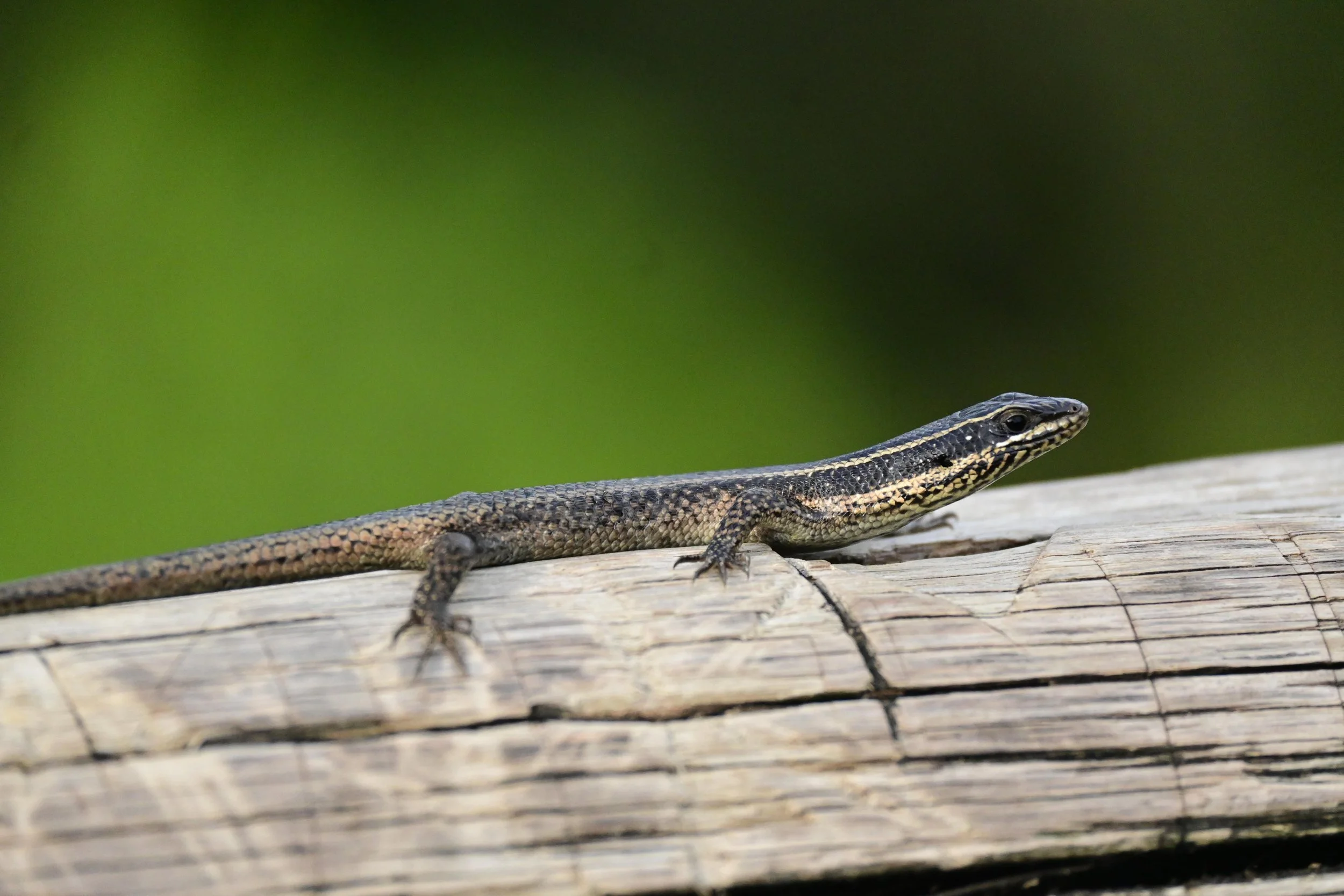
Drakensberg Moutan Range, South Africa
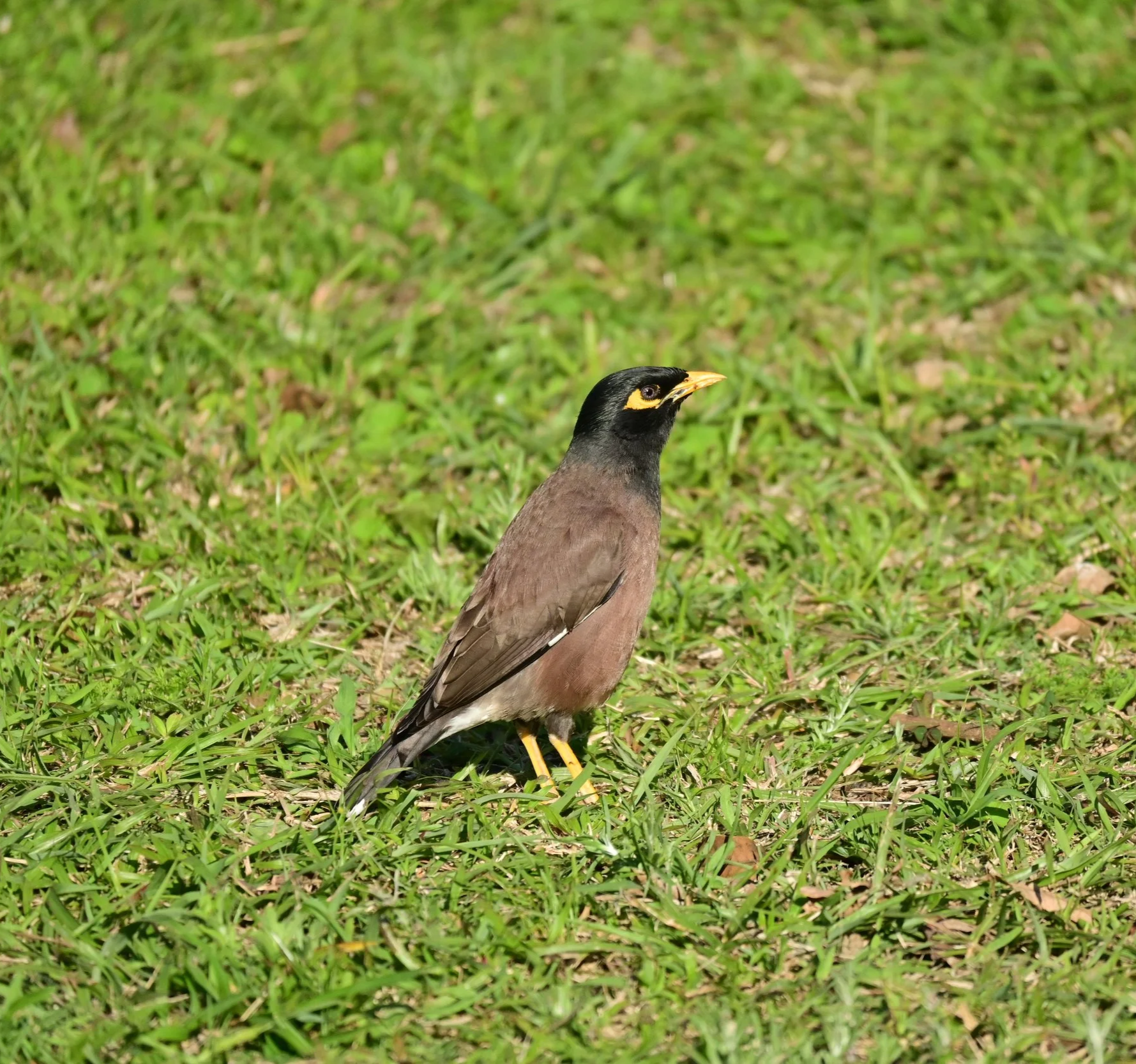
Common myna (Acridotheres tristis), LC, Drakensberg Mountains
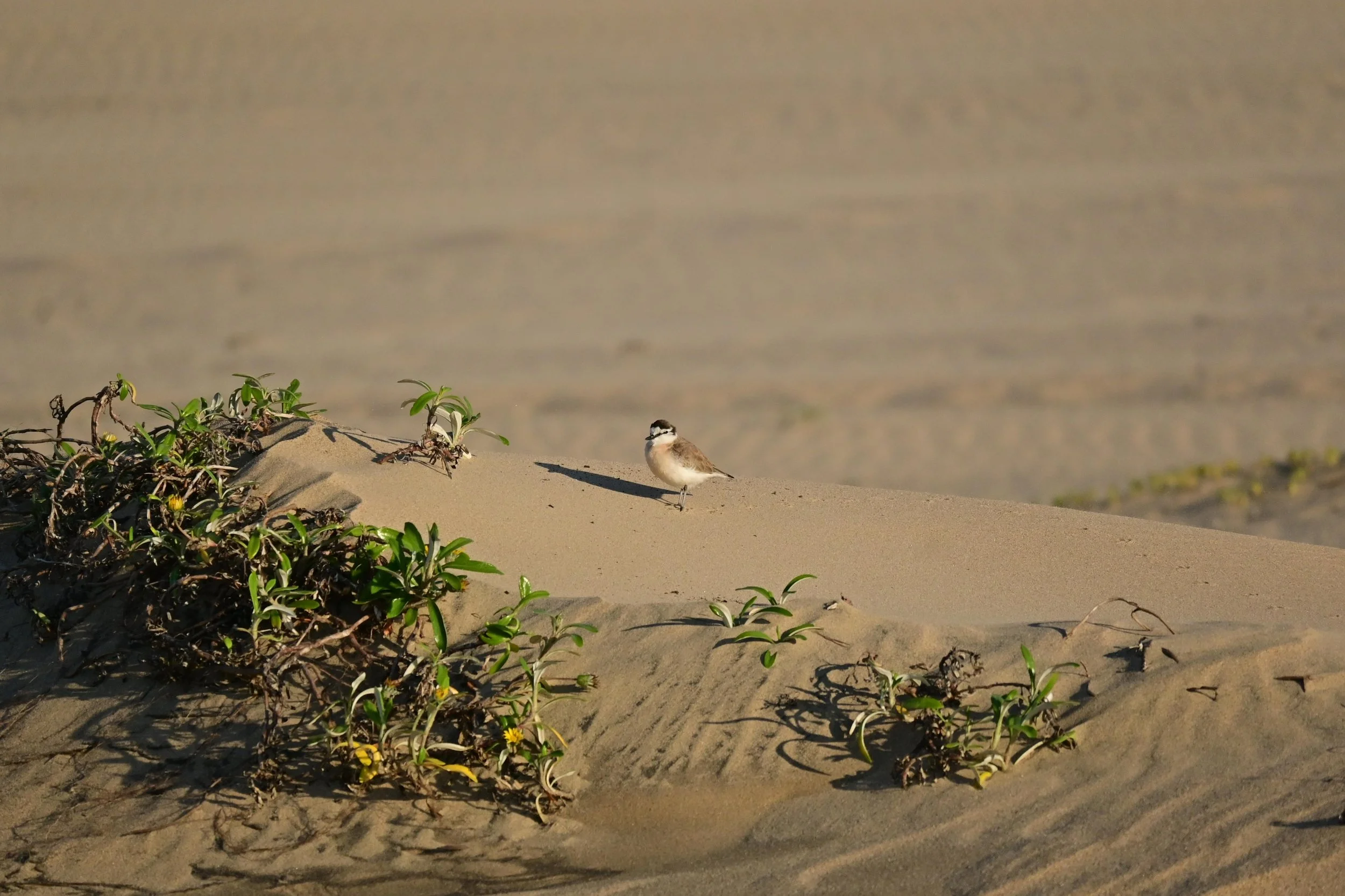
iSimangaliso Wetland Park
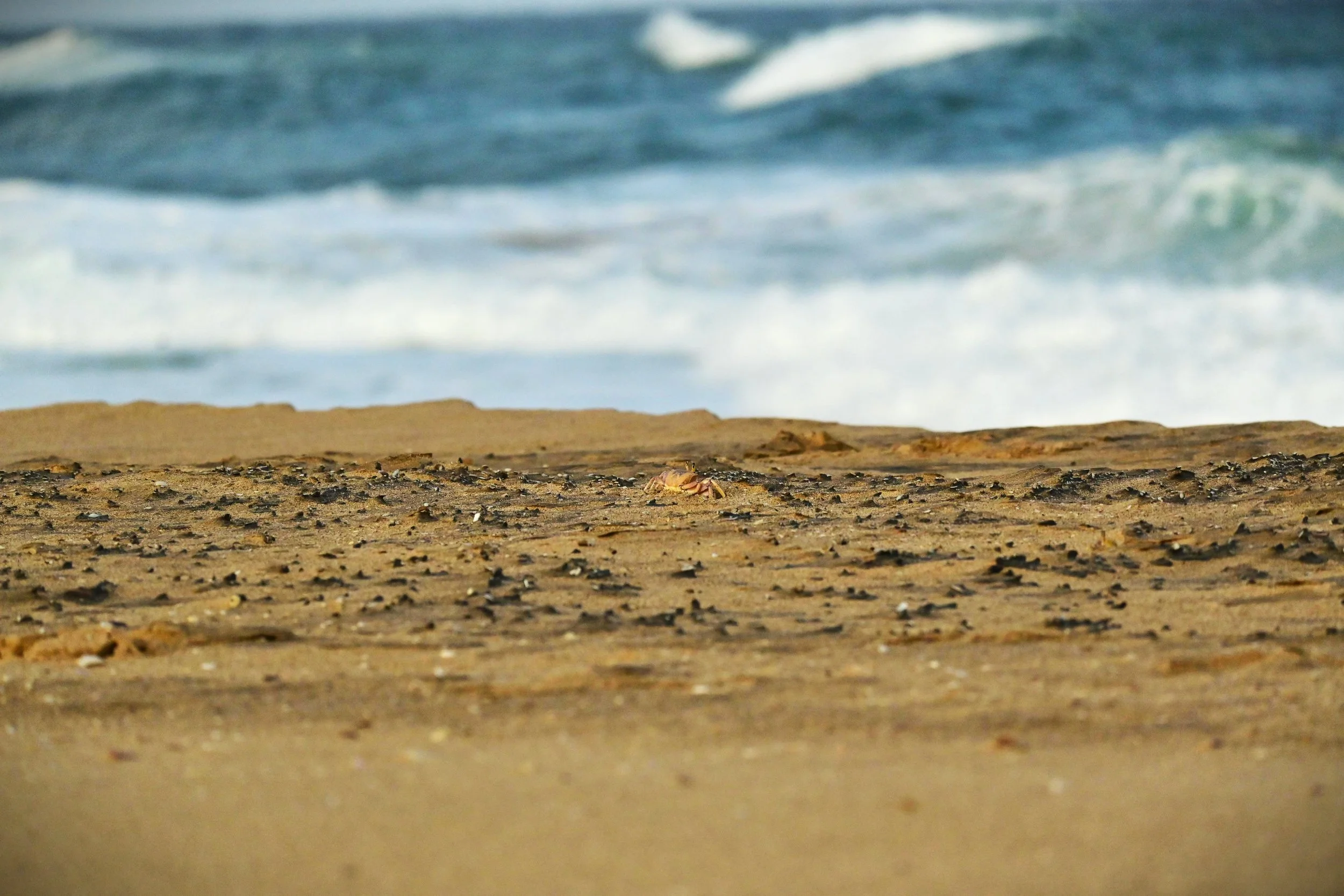
iSimangaliso Wetland Park
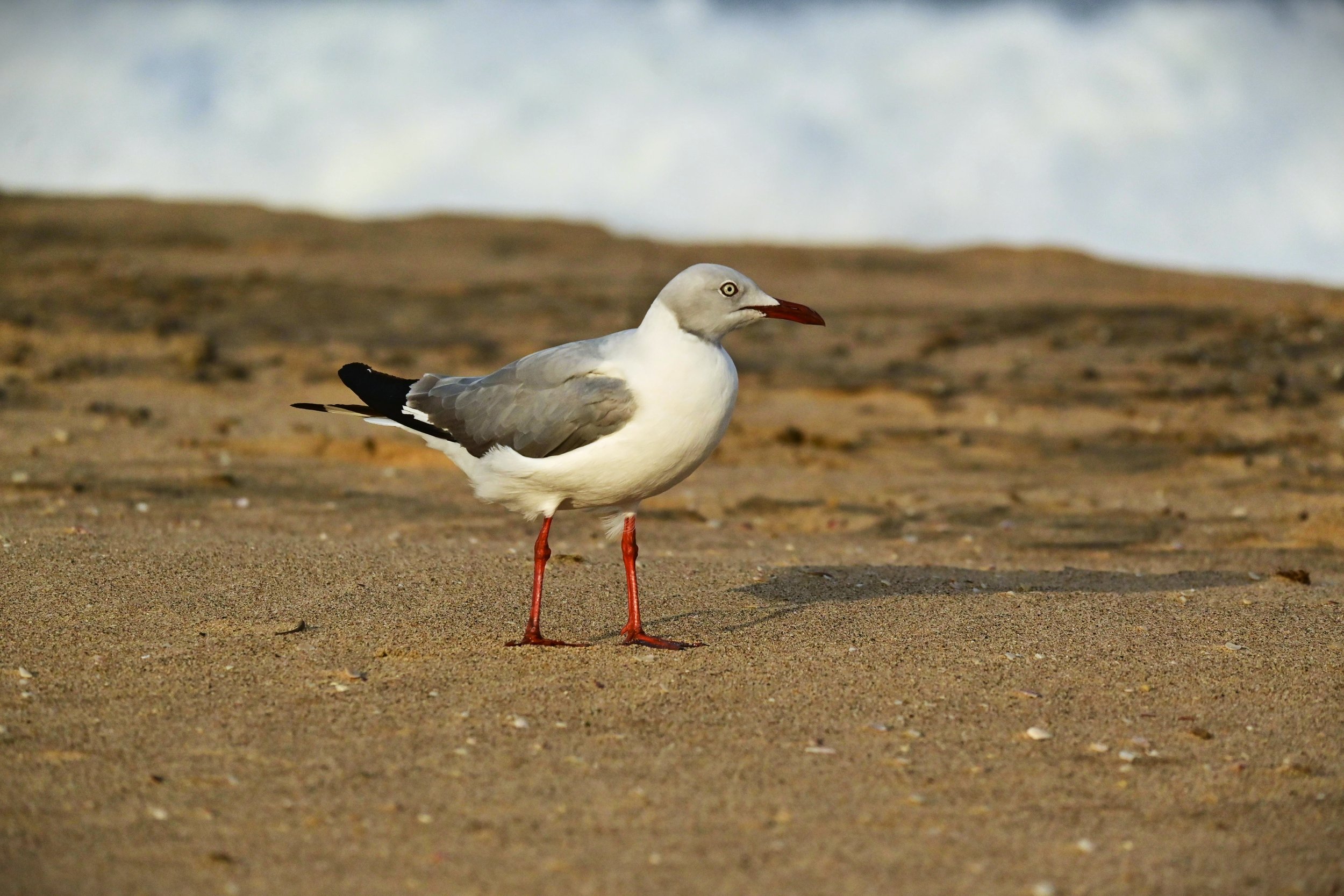
Grey-headed Gull (Chroicocephalus cirrocephalus), LC, iSimangaliso Wetland Park
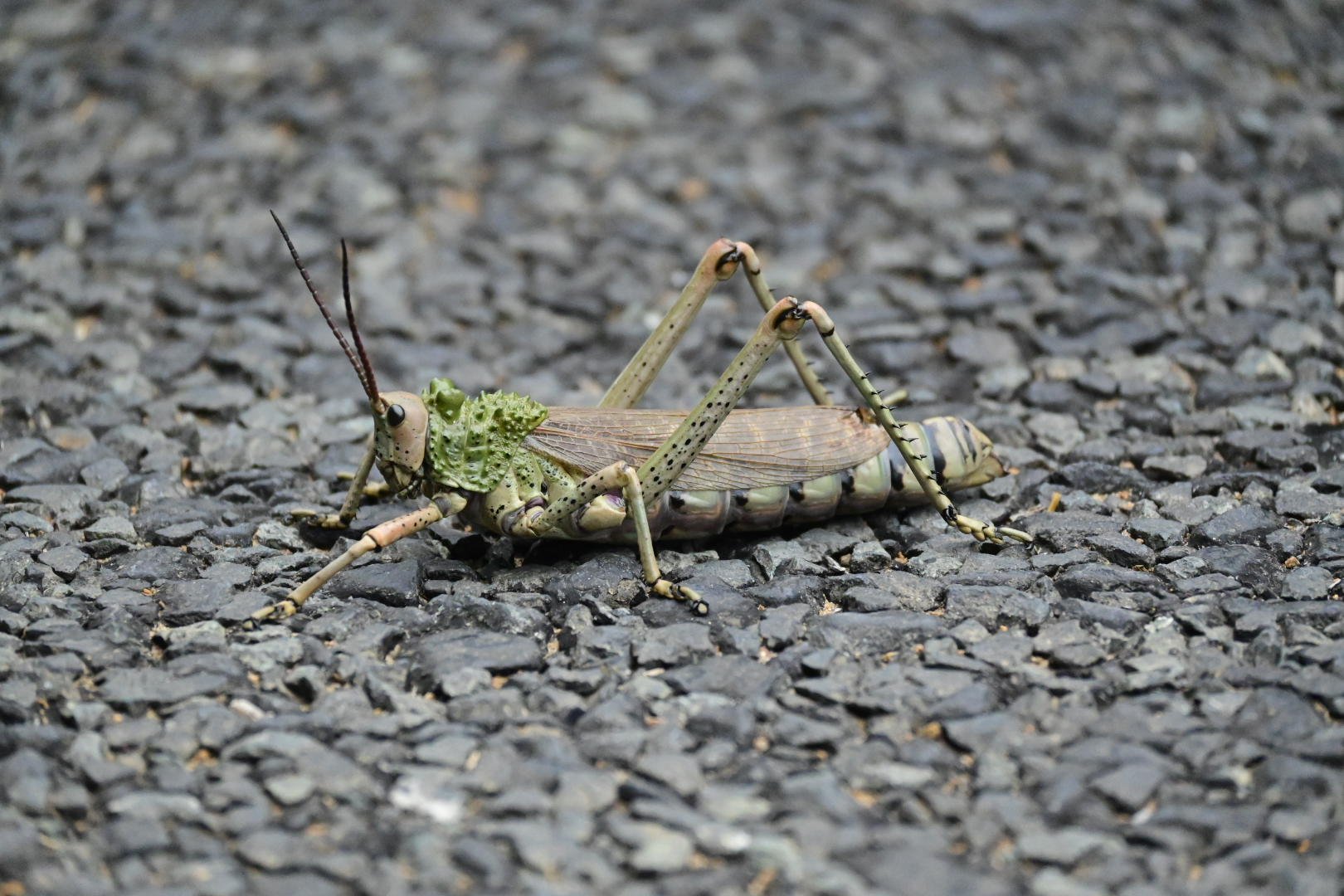
iSimangaliso Wetland Park
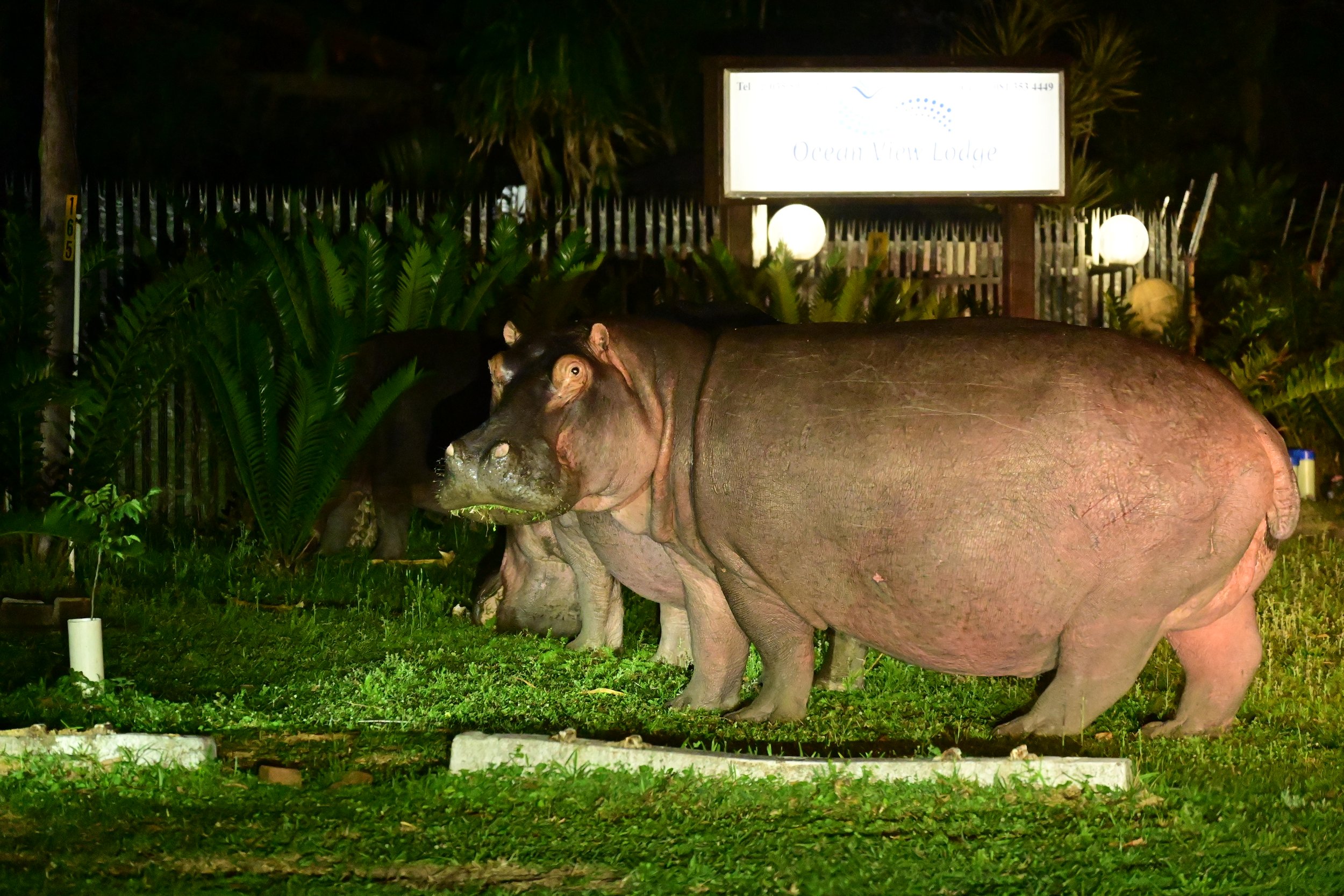
St Lucia, iSimangaliso Wetland Park
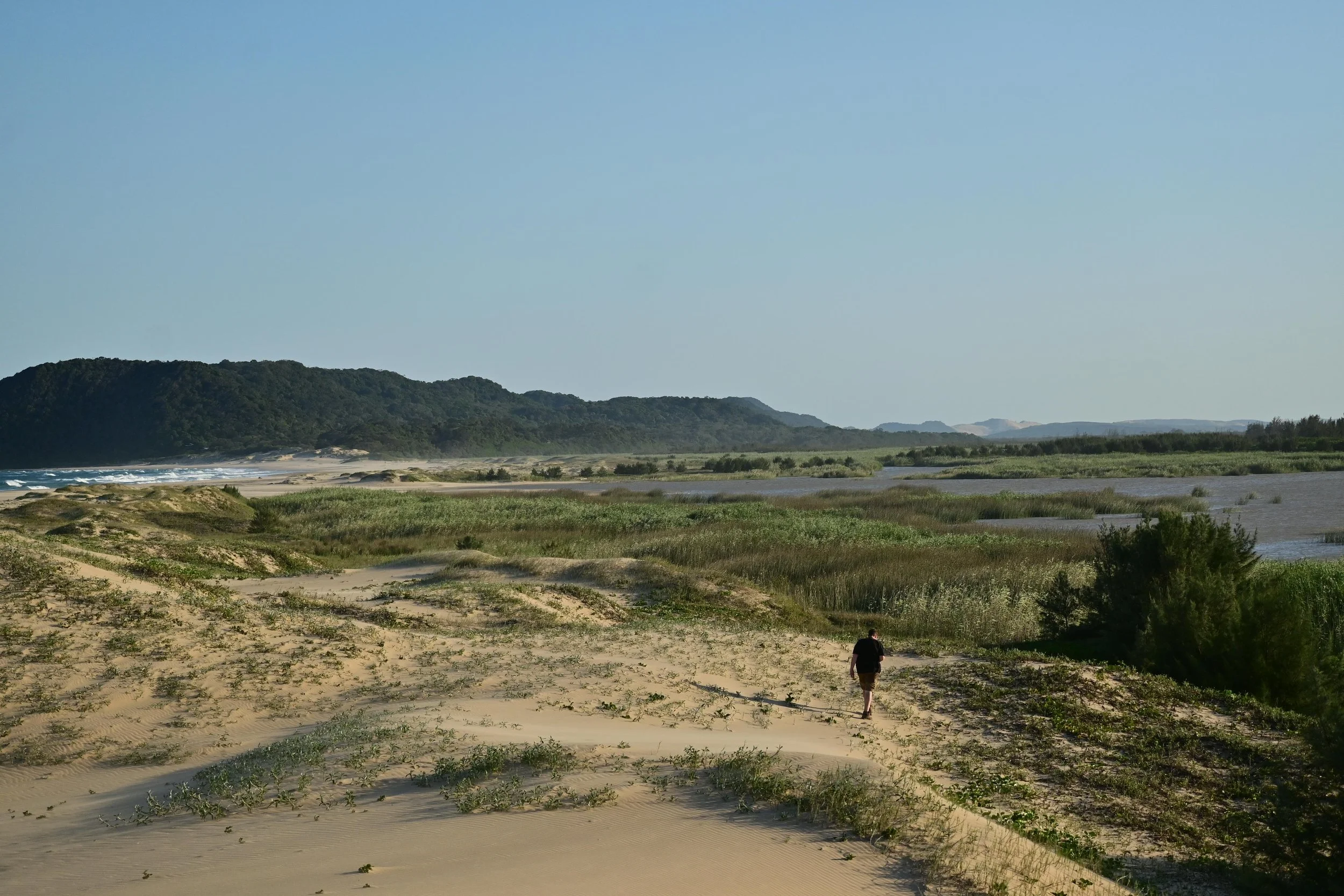
iSimangaliso Wetland Park
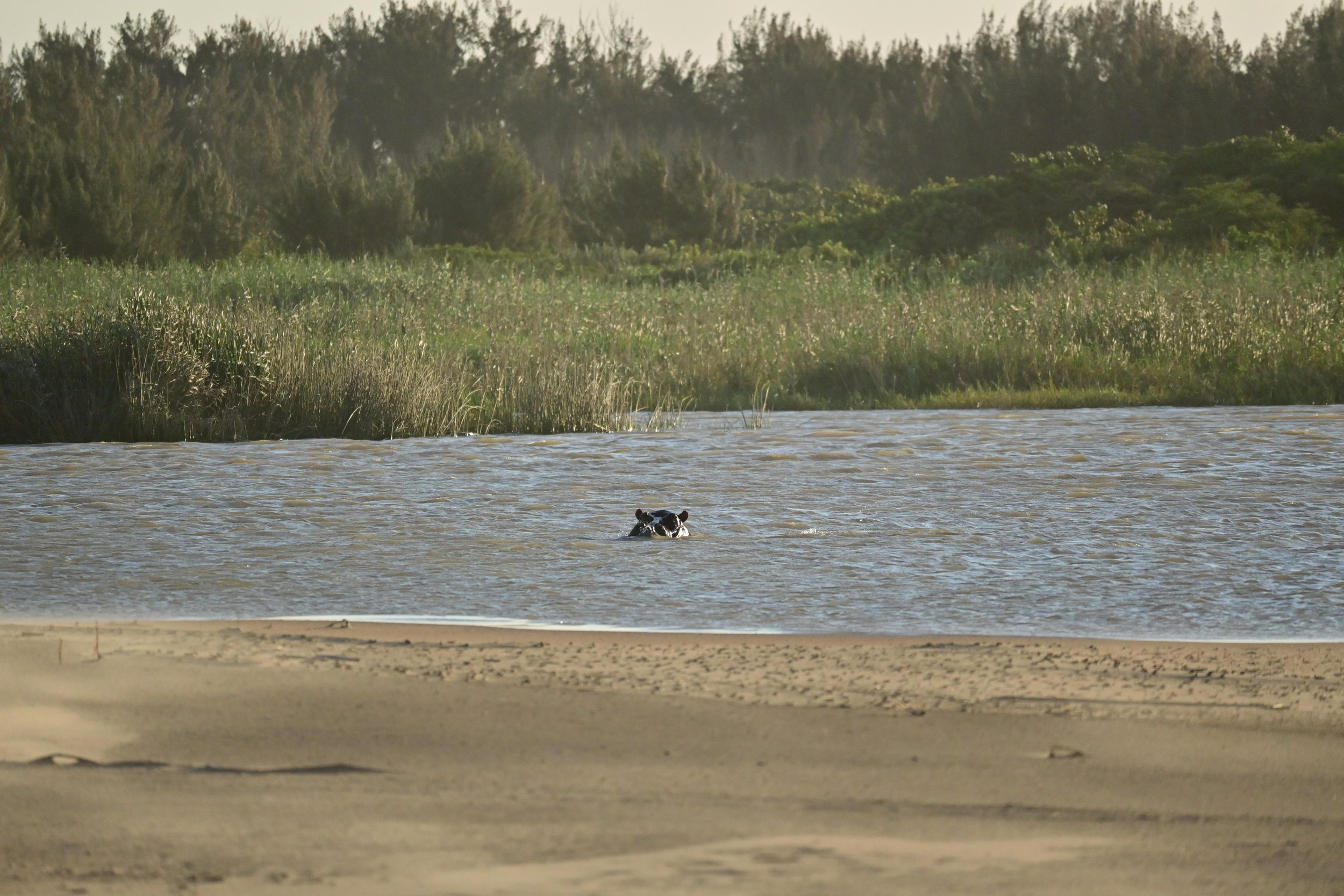
iSimangaliso Wetland Park
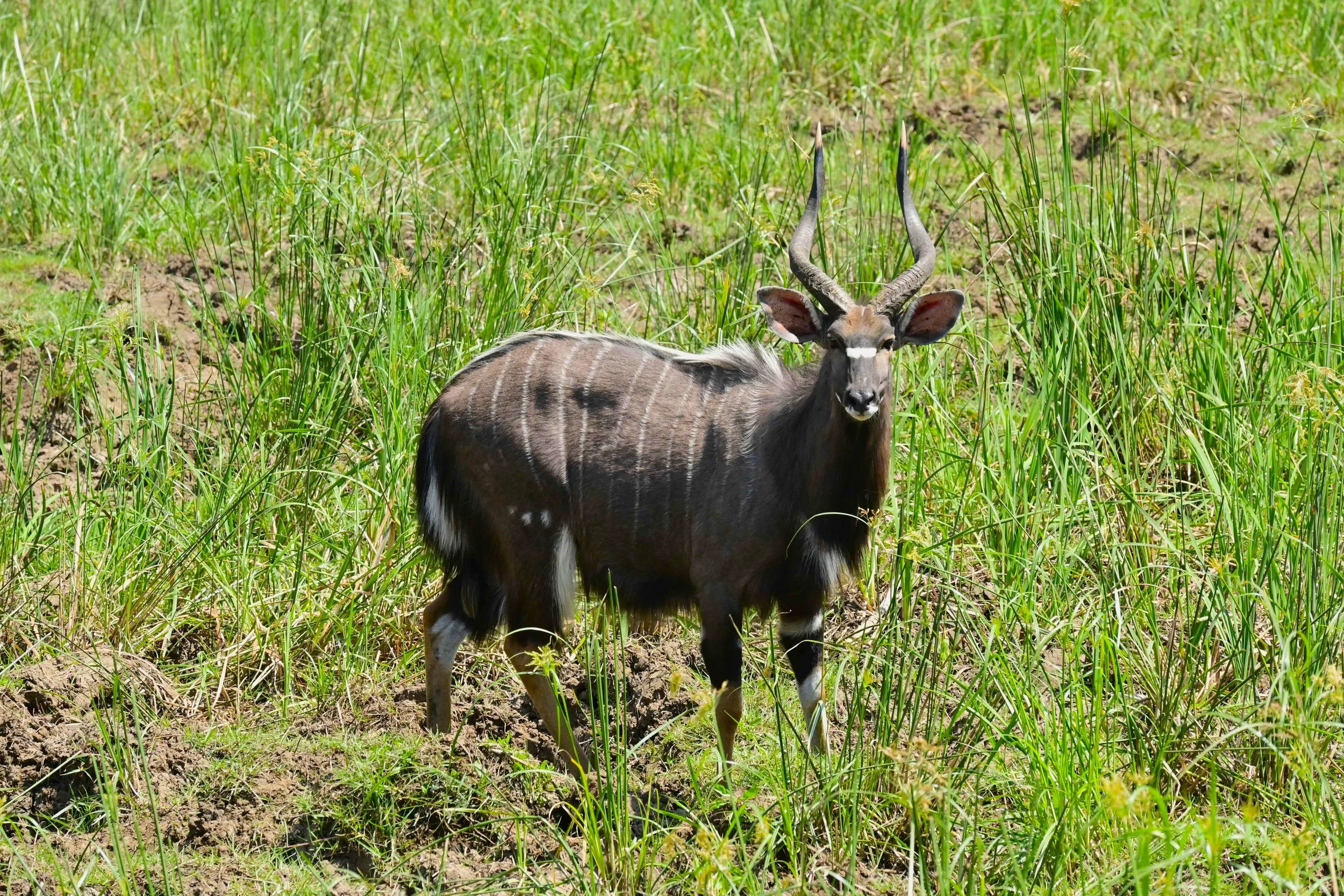
Lesser Kudu (Tragelaphus imberbis), NT, iSimangaliso Wetland Park
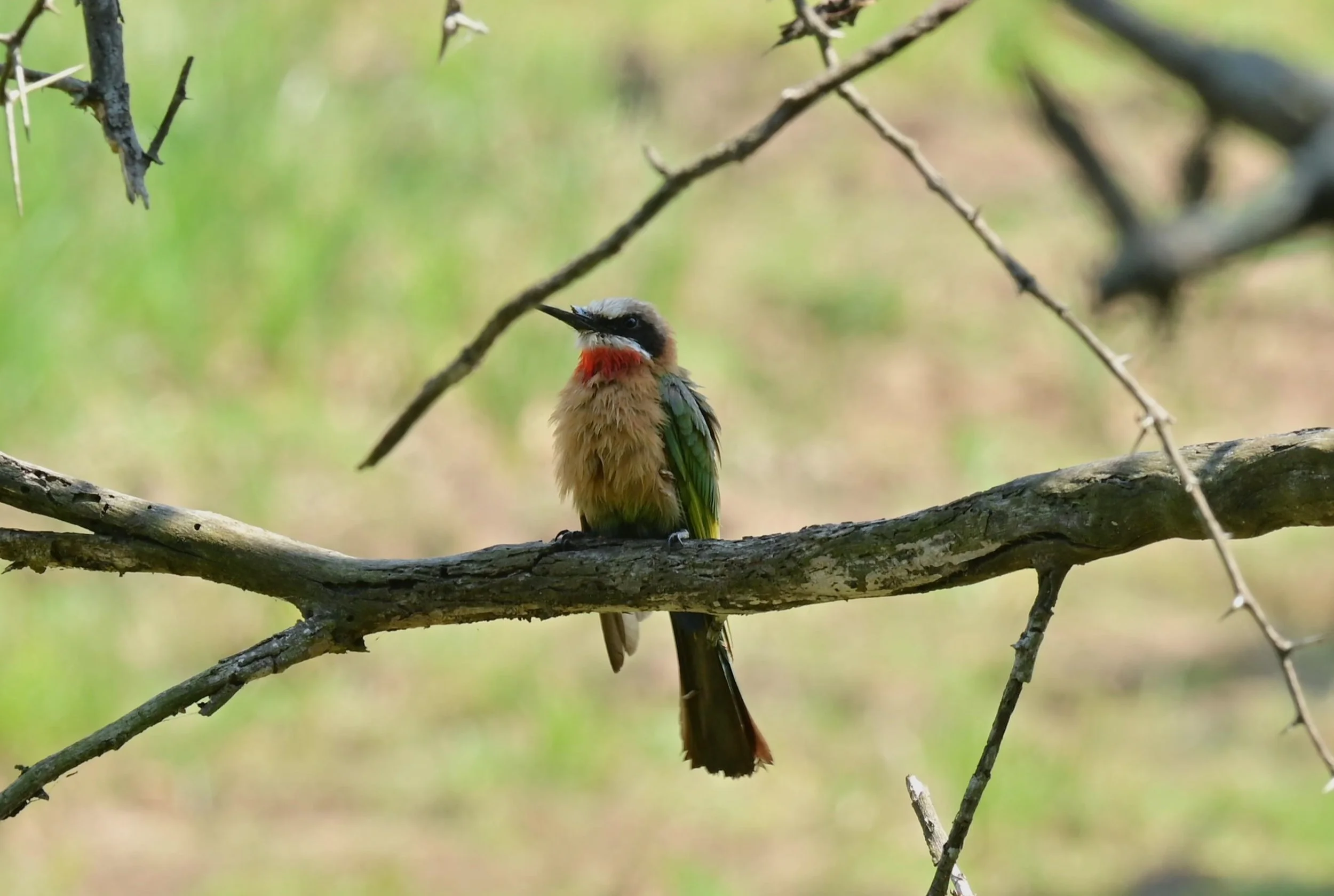
White-fronted bee-eater (Merops bullockoides), LC, Kruger National Park
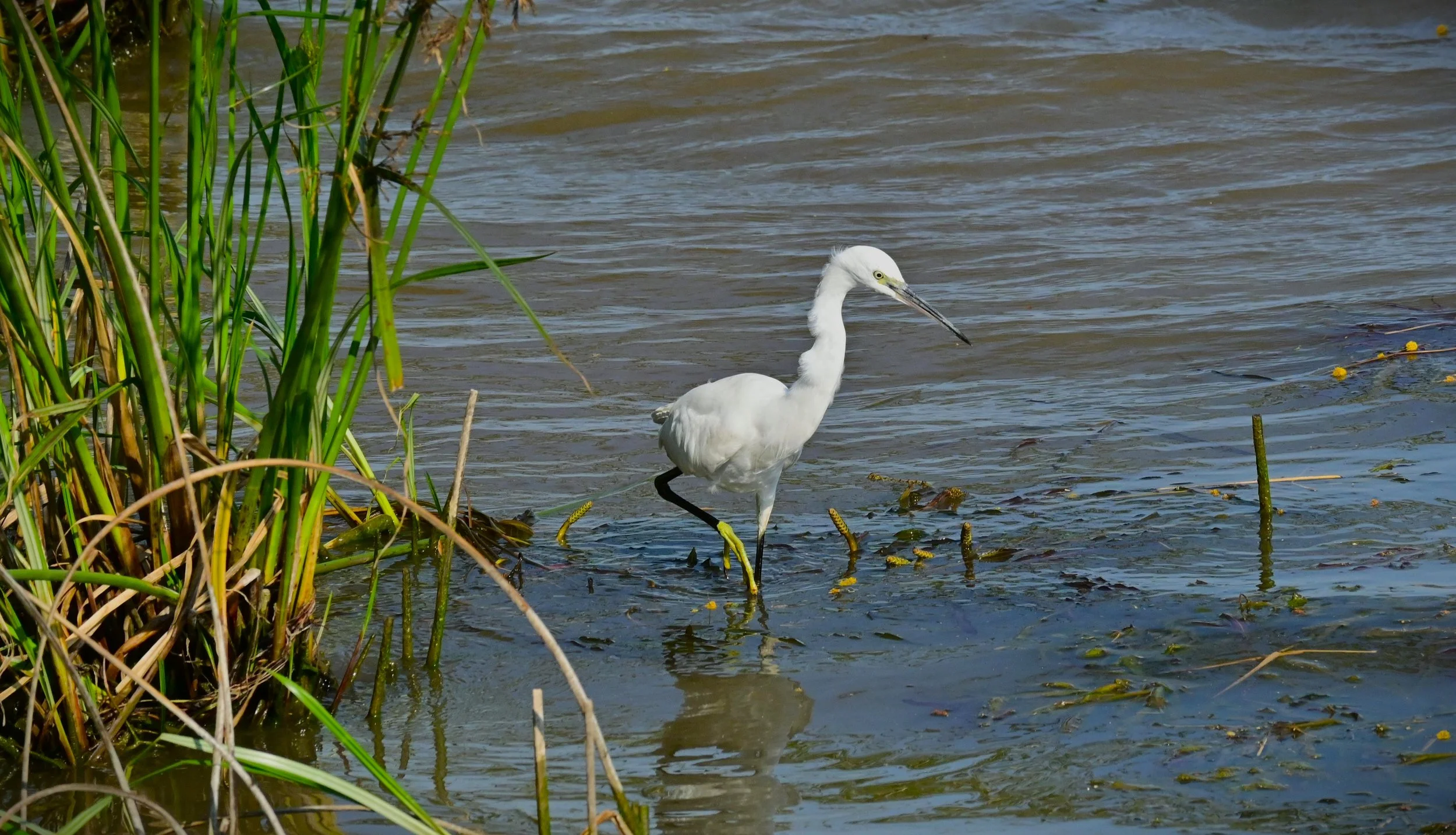
iSimangaliso Wetland Park
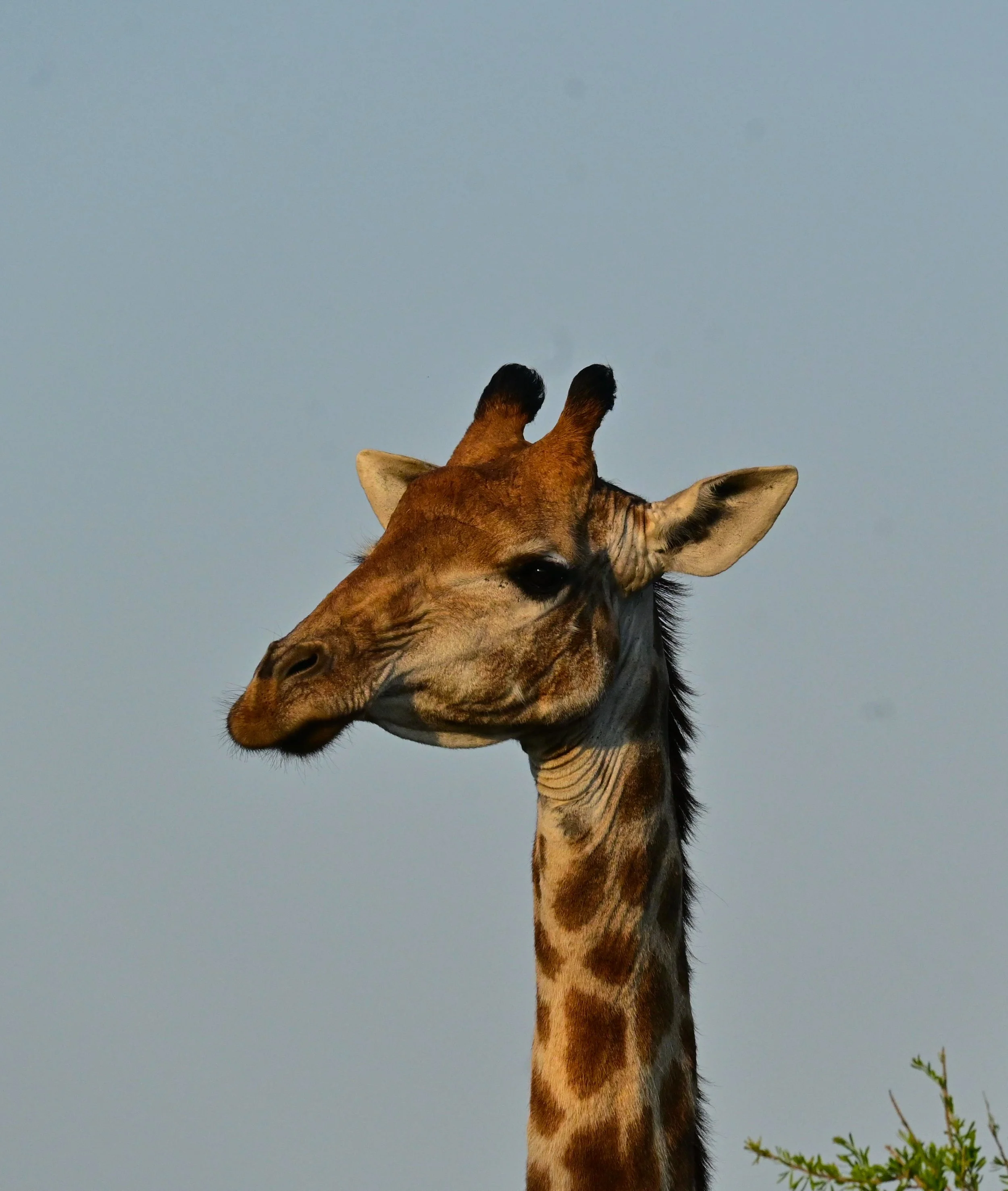
iSimangaliso Wetland Park
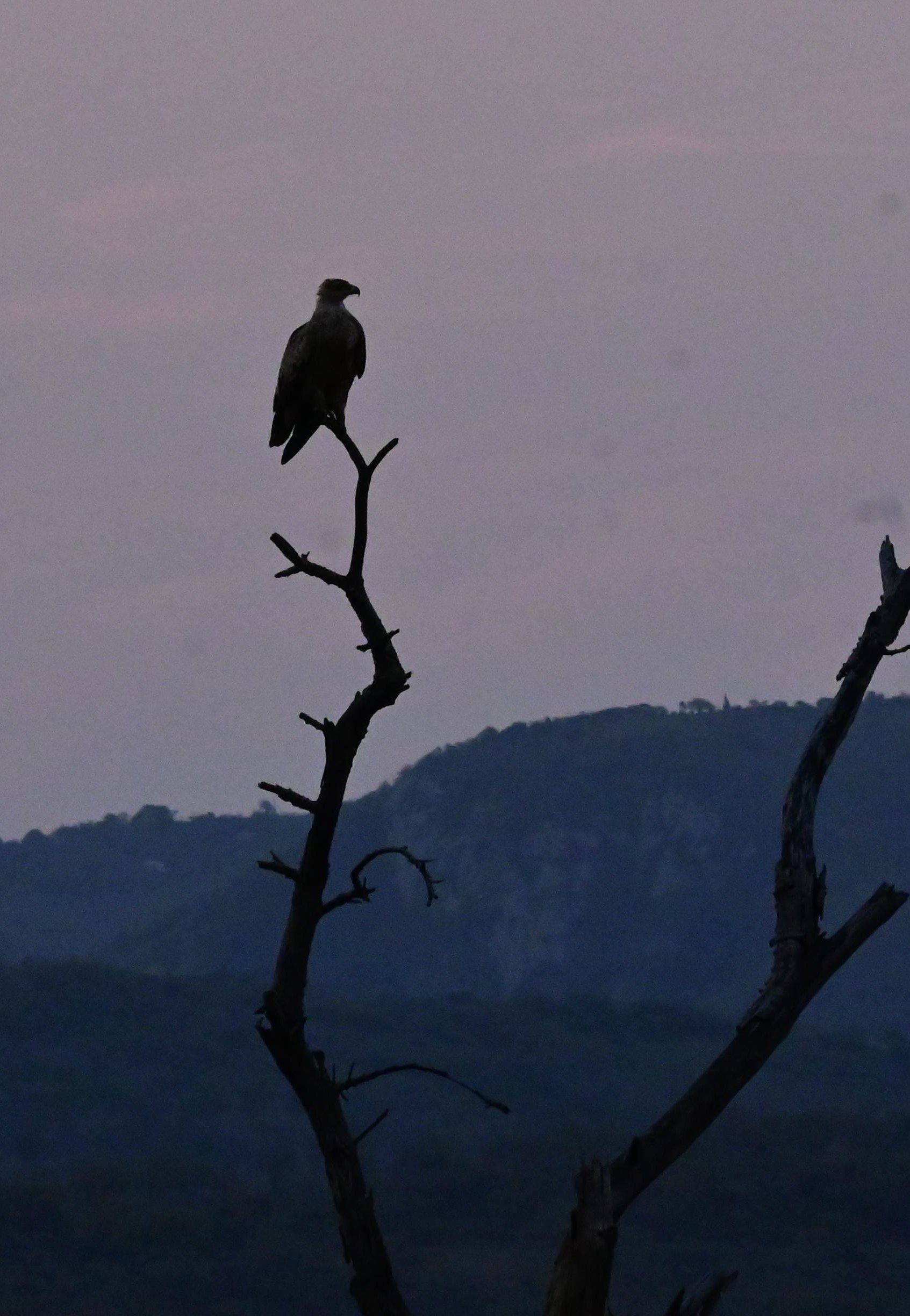
iSimangaliso Wetland Park
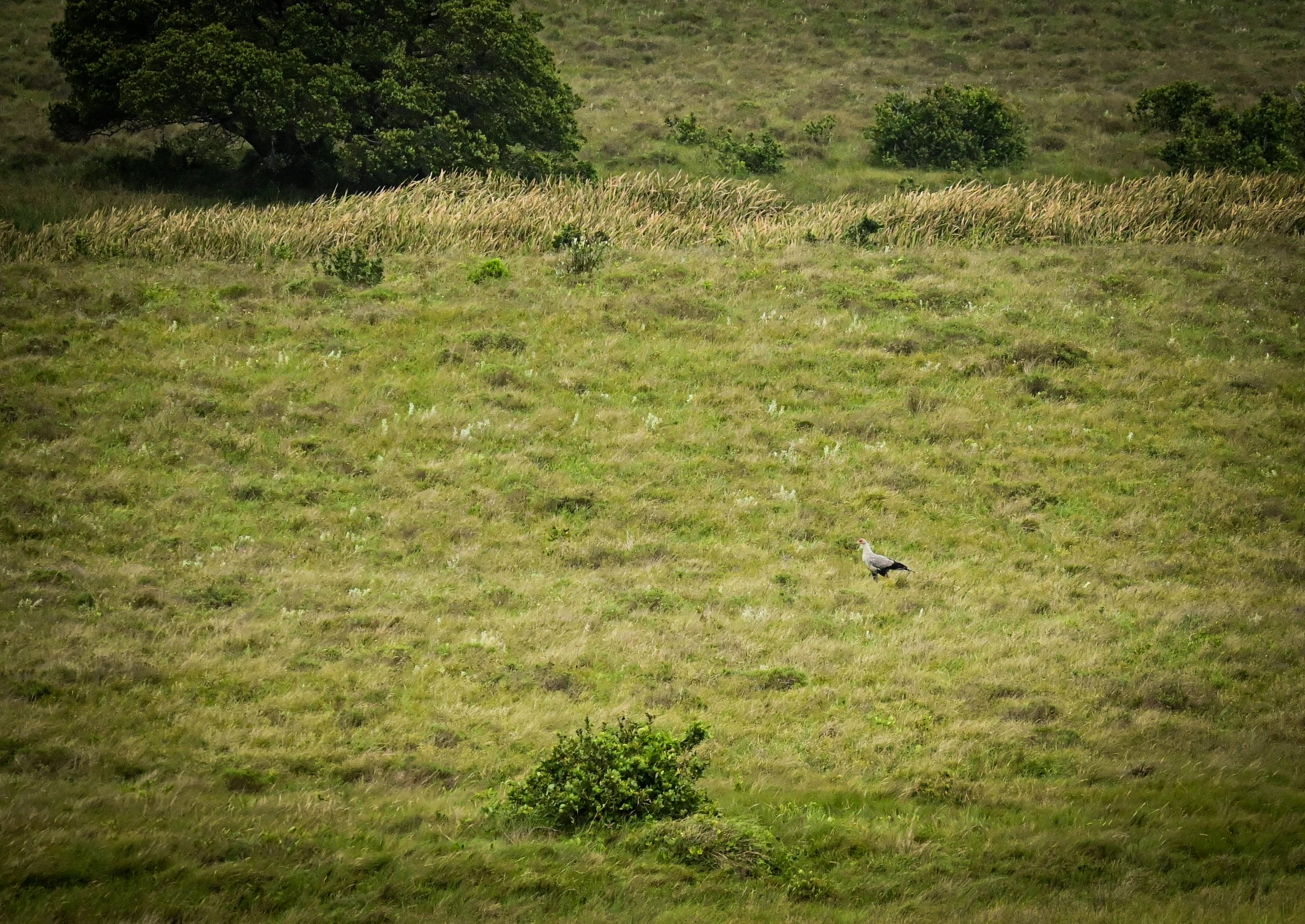
Secretarybird (Sagittarius serpentarius), EN, iSimangaliso Wetland Park
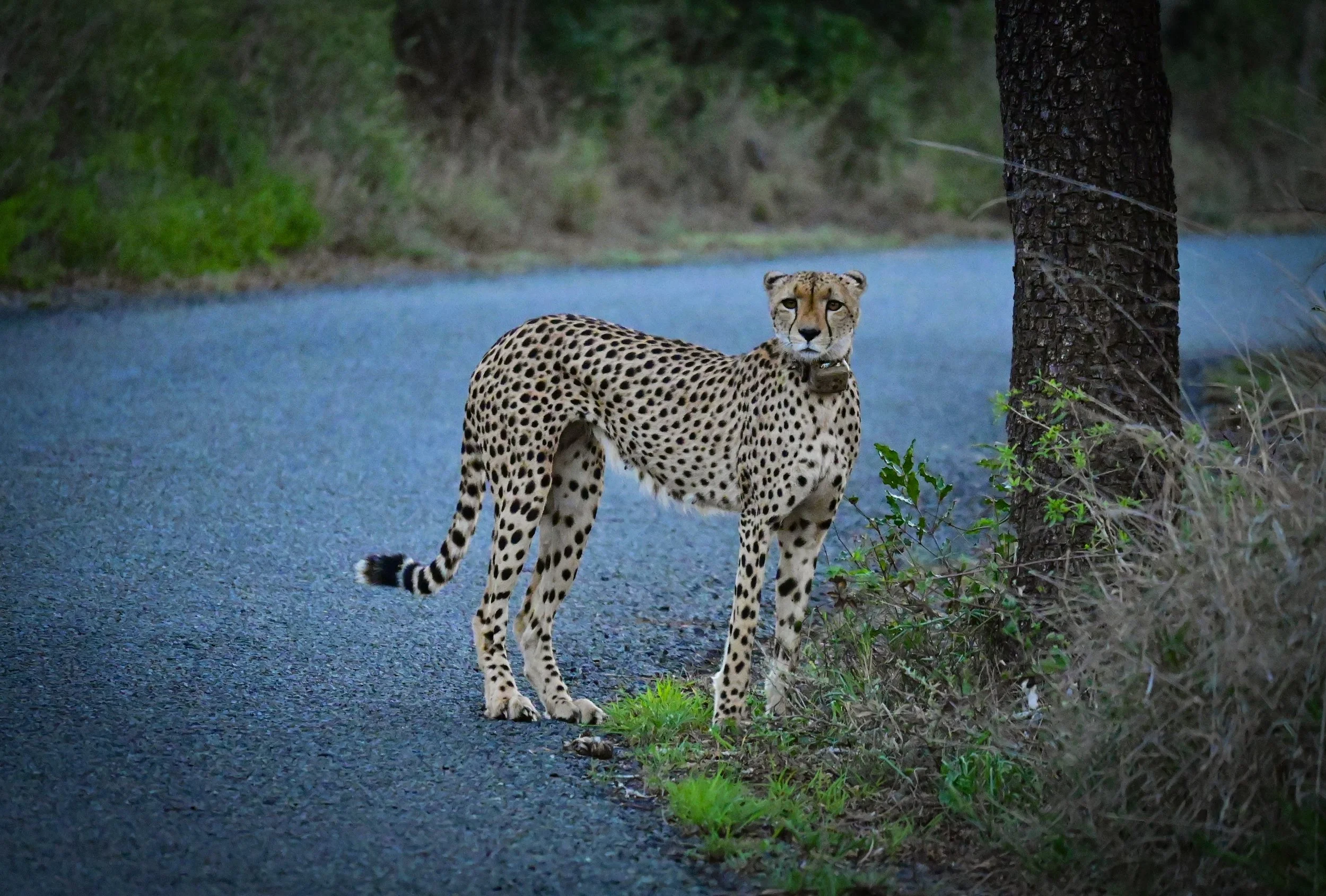
Southeast African cheetah (Acinonyx jubatus jubatus), VU, iSimangaliso Wetland Park
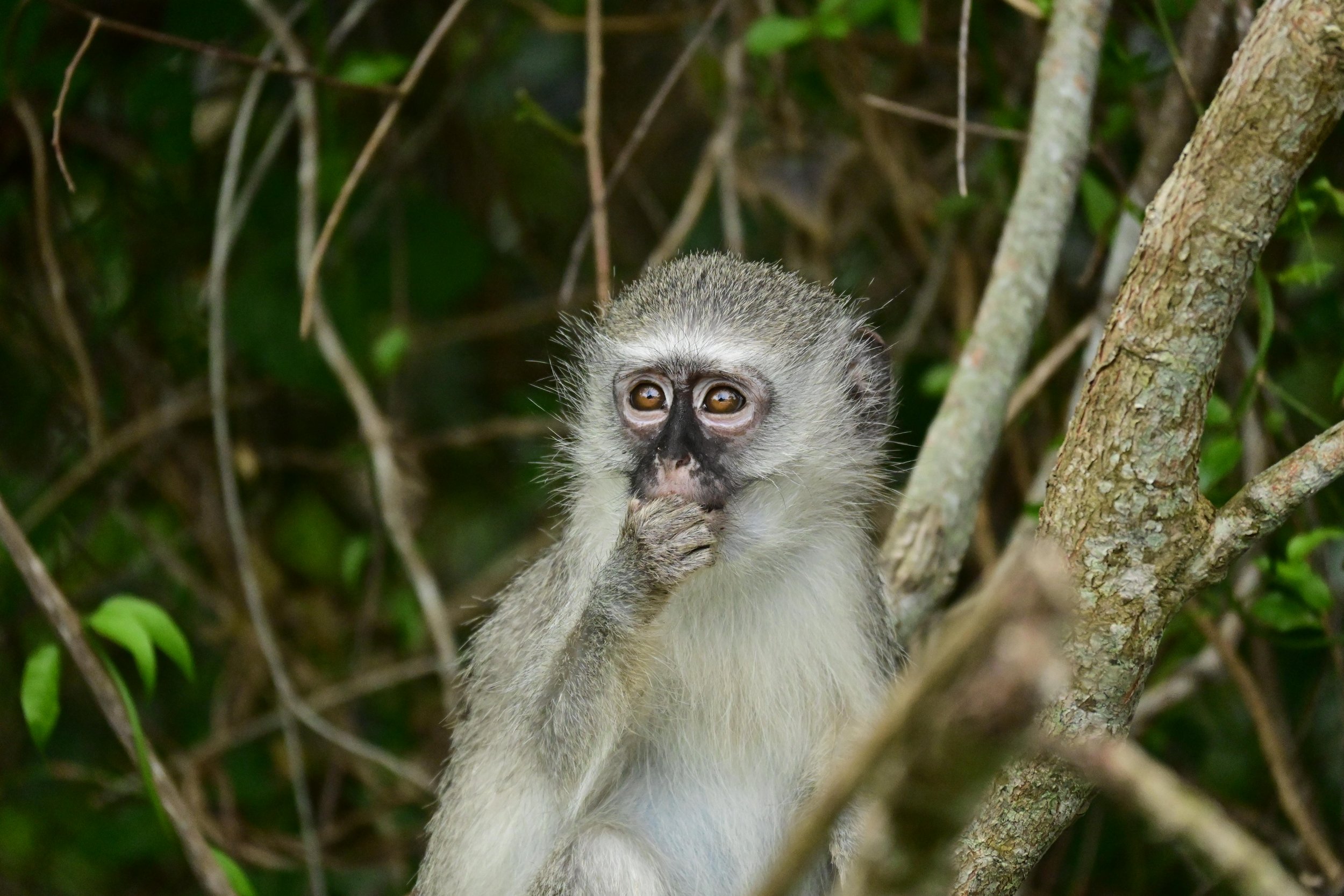
iSimangaliso Wetland Park
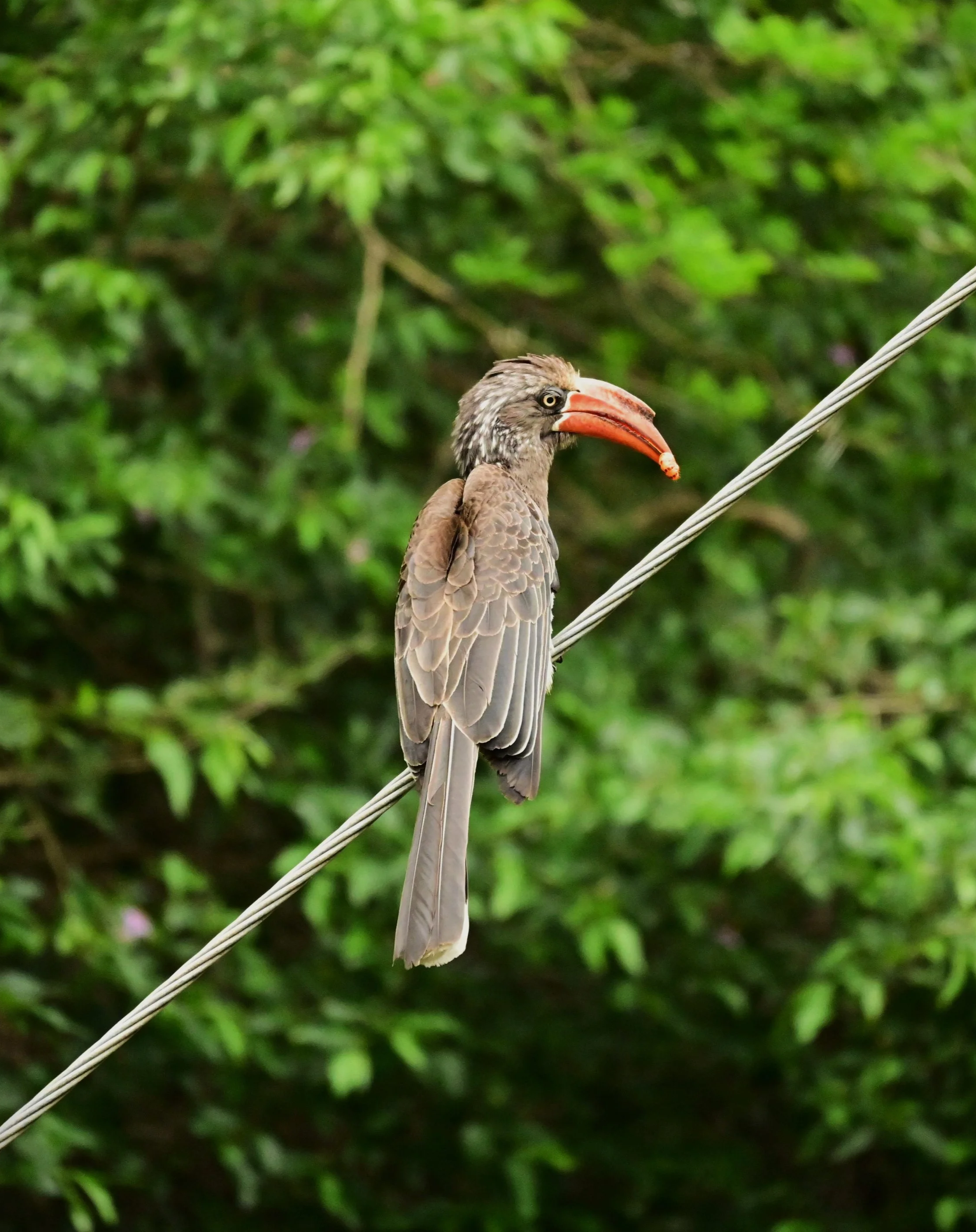
Crowned hornbill (Lophoceros alboterminatus), LC, iSimangaliso Wetland Park
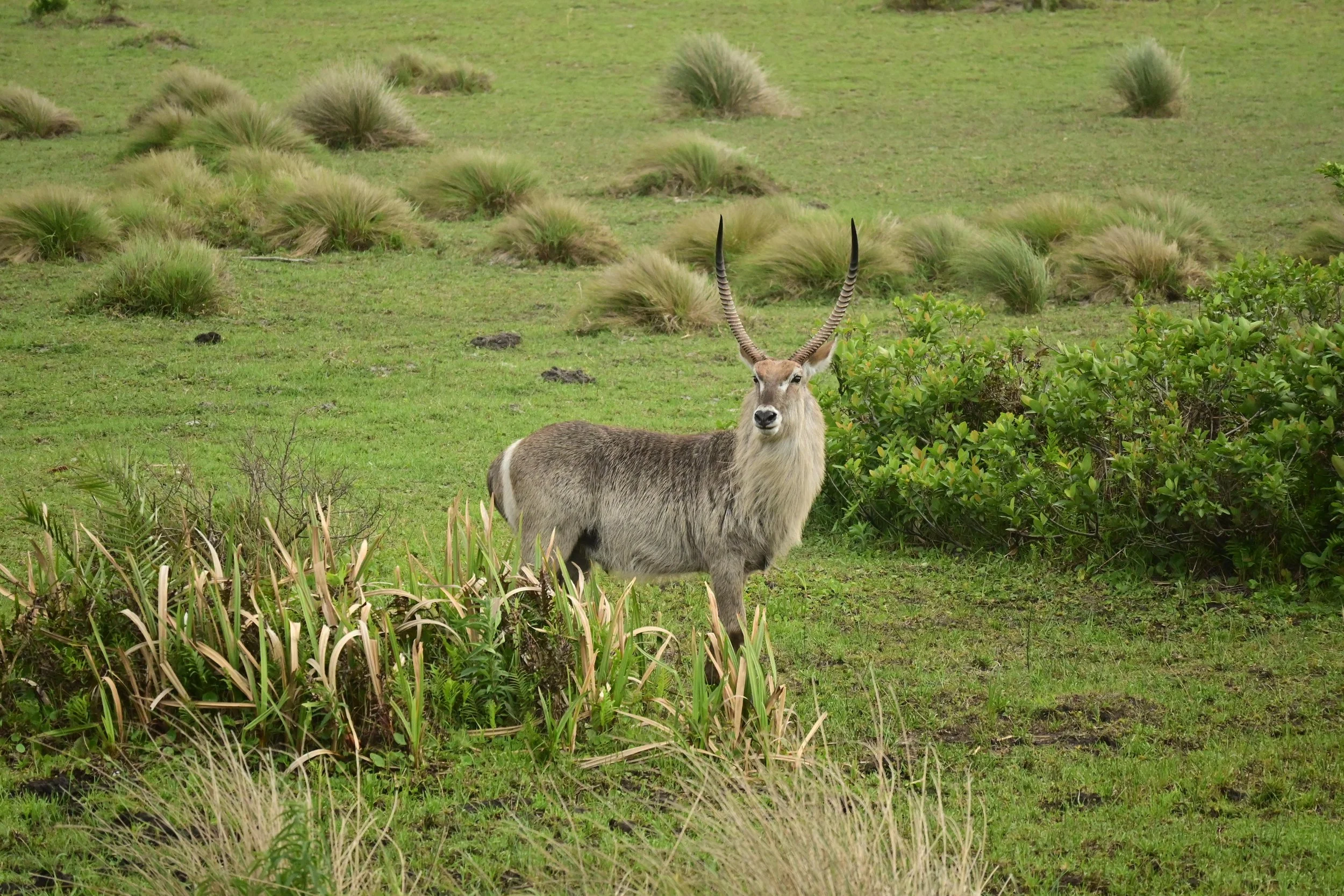
Waterbuck (Kobus ellipsiprymnus), LC, iSimangaliso Wetland Park
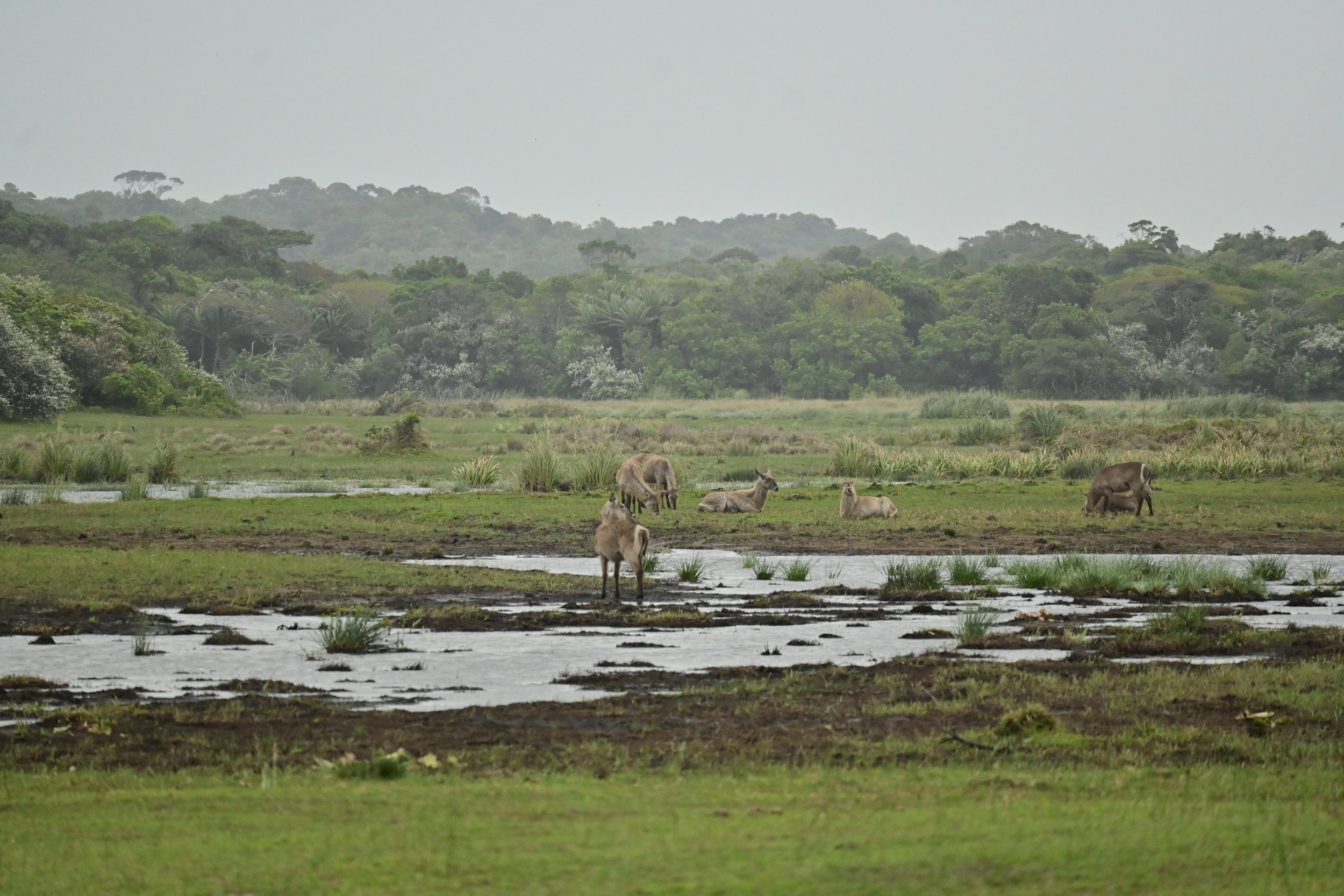
iSimangaliso Wetland Park
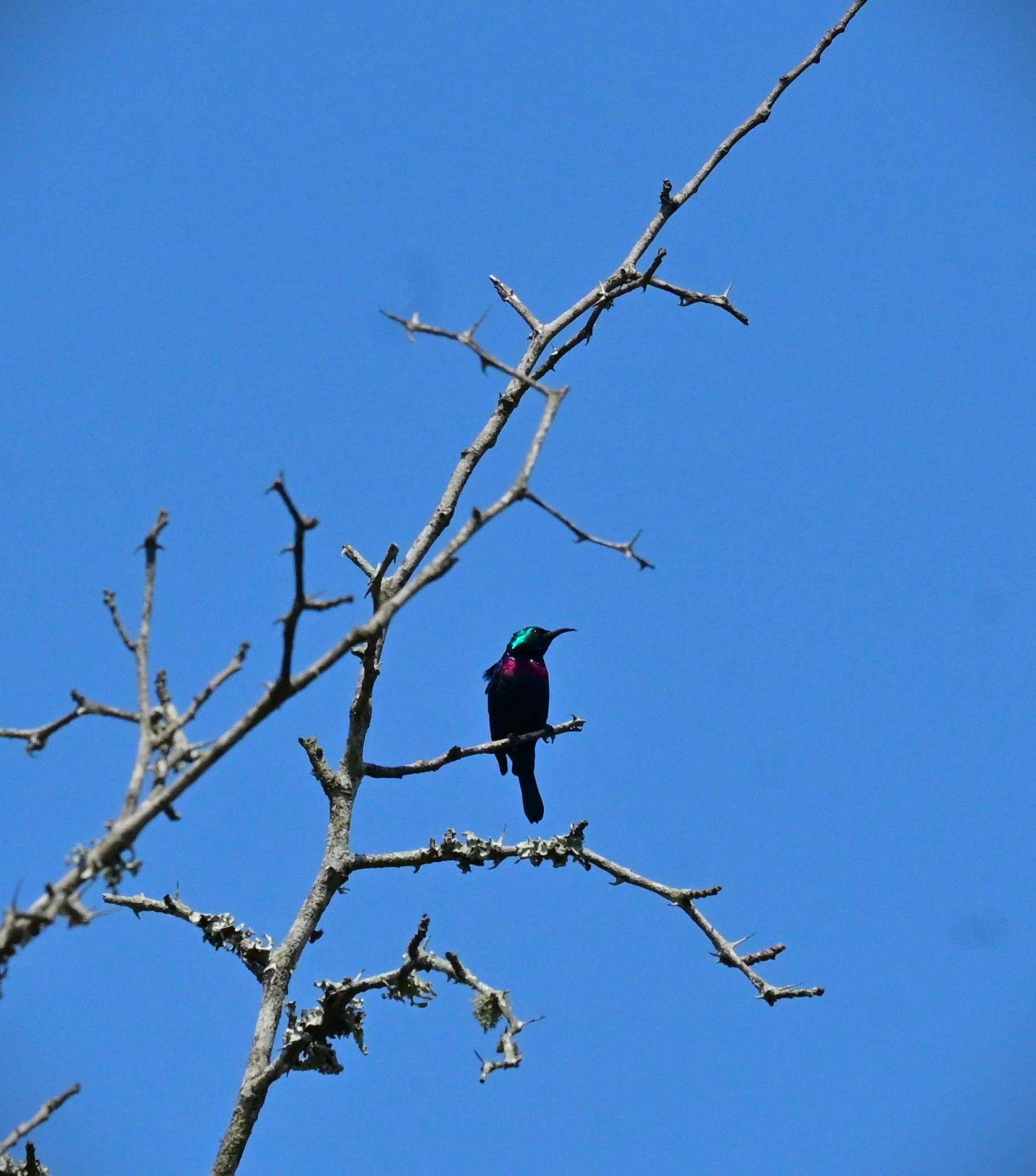
Marico Sunbird (Cinnyris mariquensis), LC, iSismangaliso Wetland Park
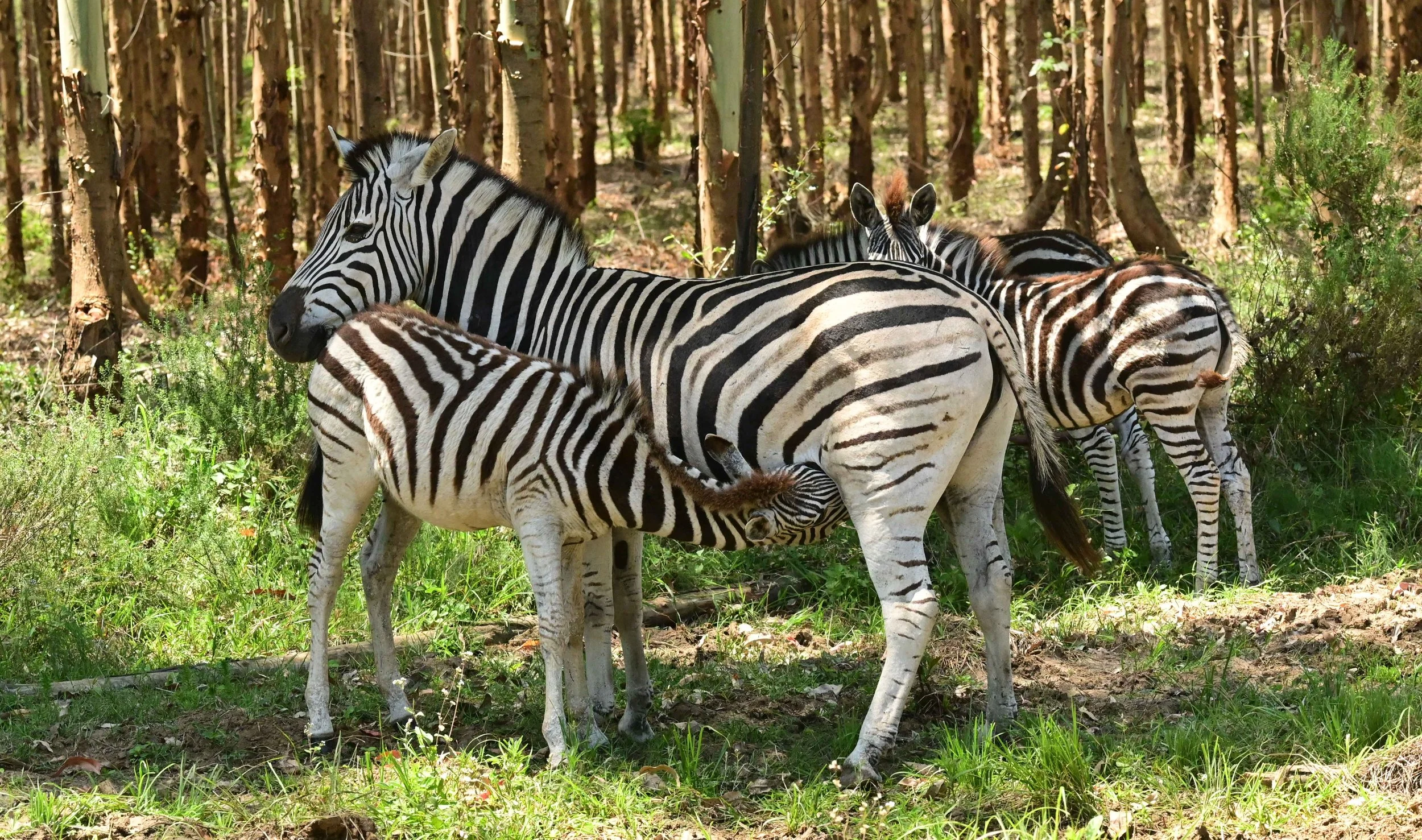
iSimangaliso Wetland Park
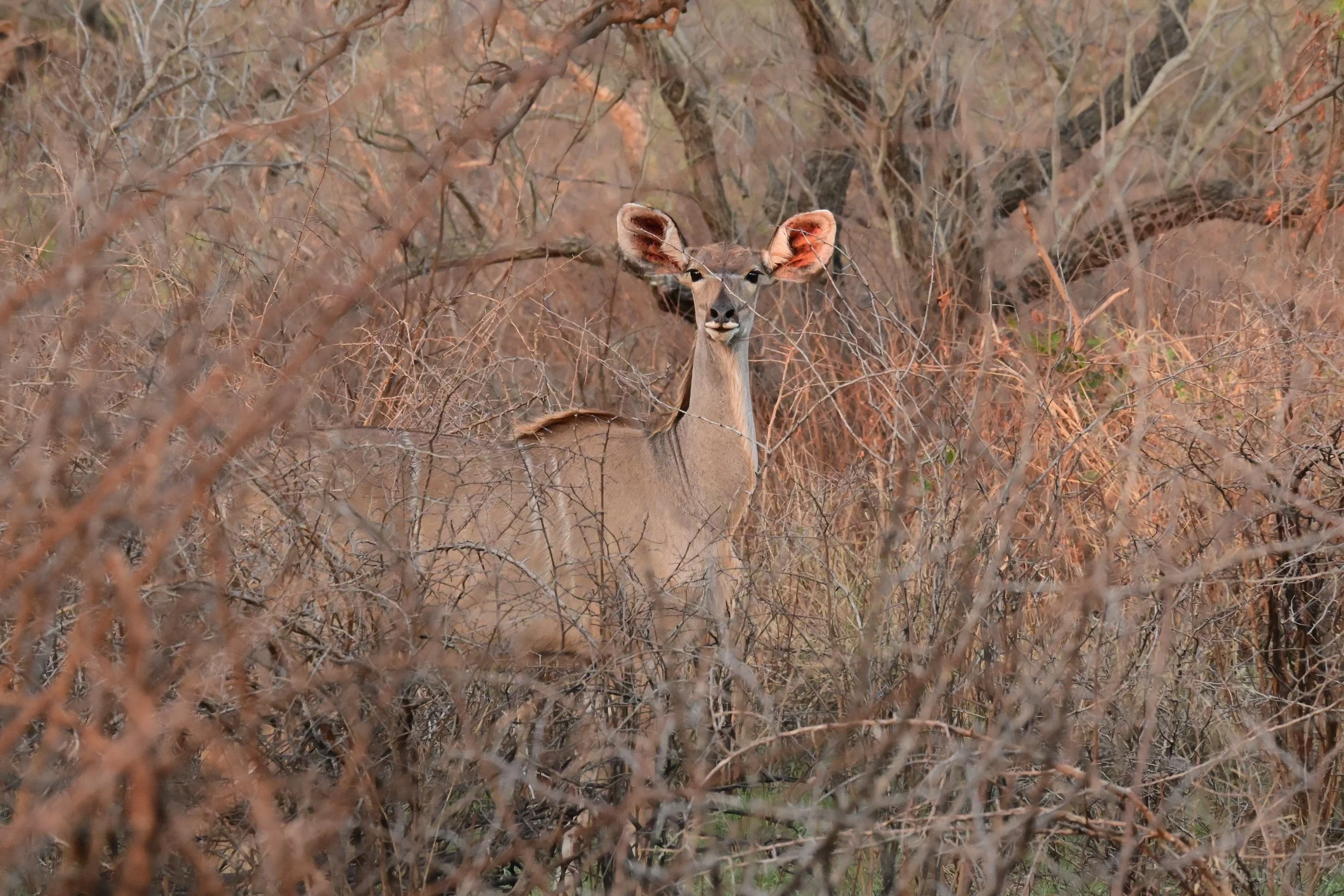
iSimangaliso Wetland Park
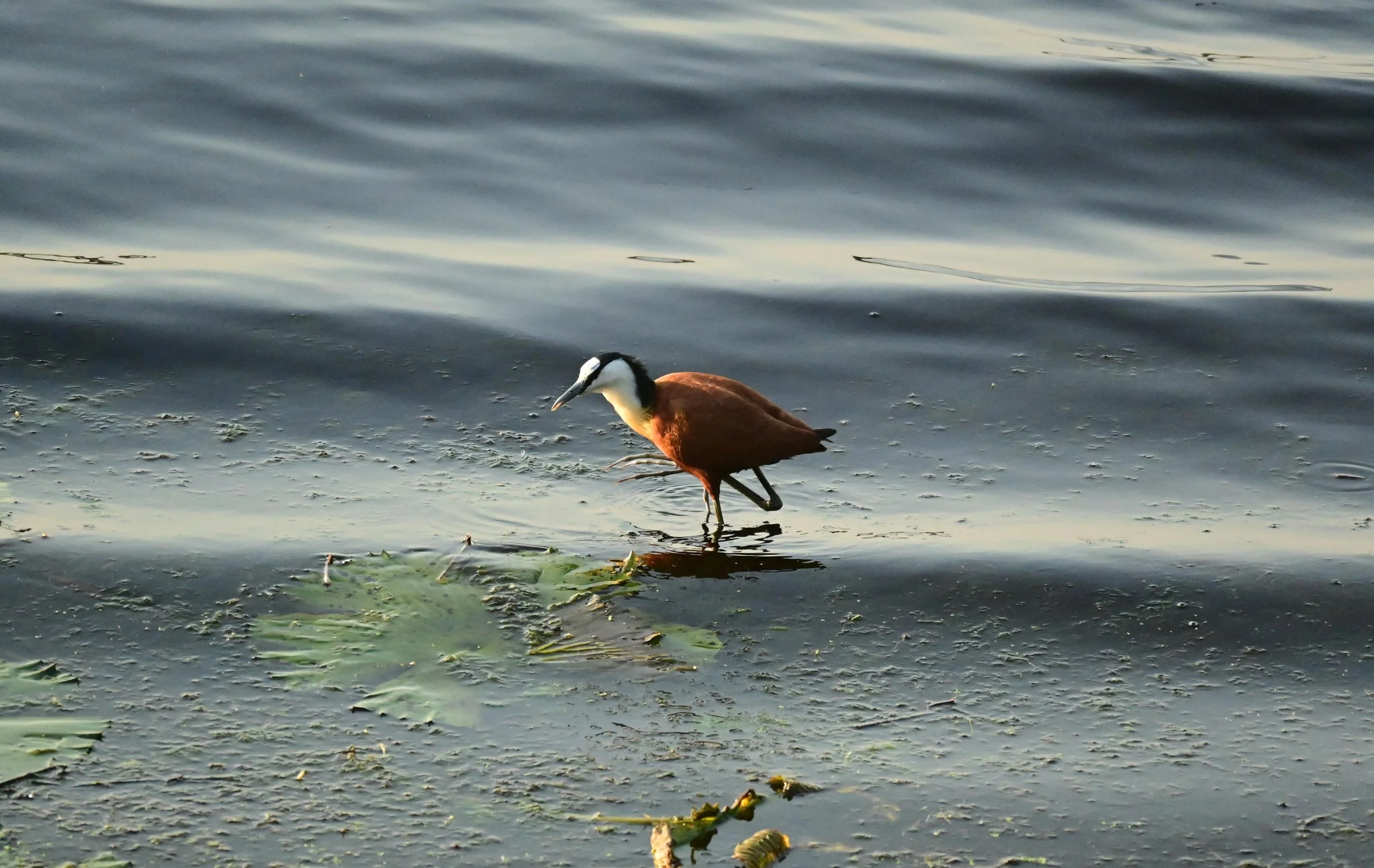
African jacana (Actophilornis africanus), LC, iSimangaliso Wetland Park
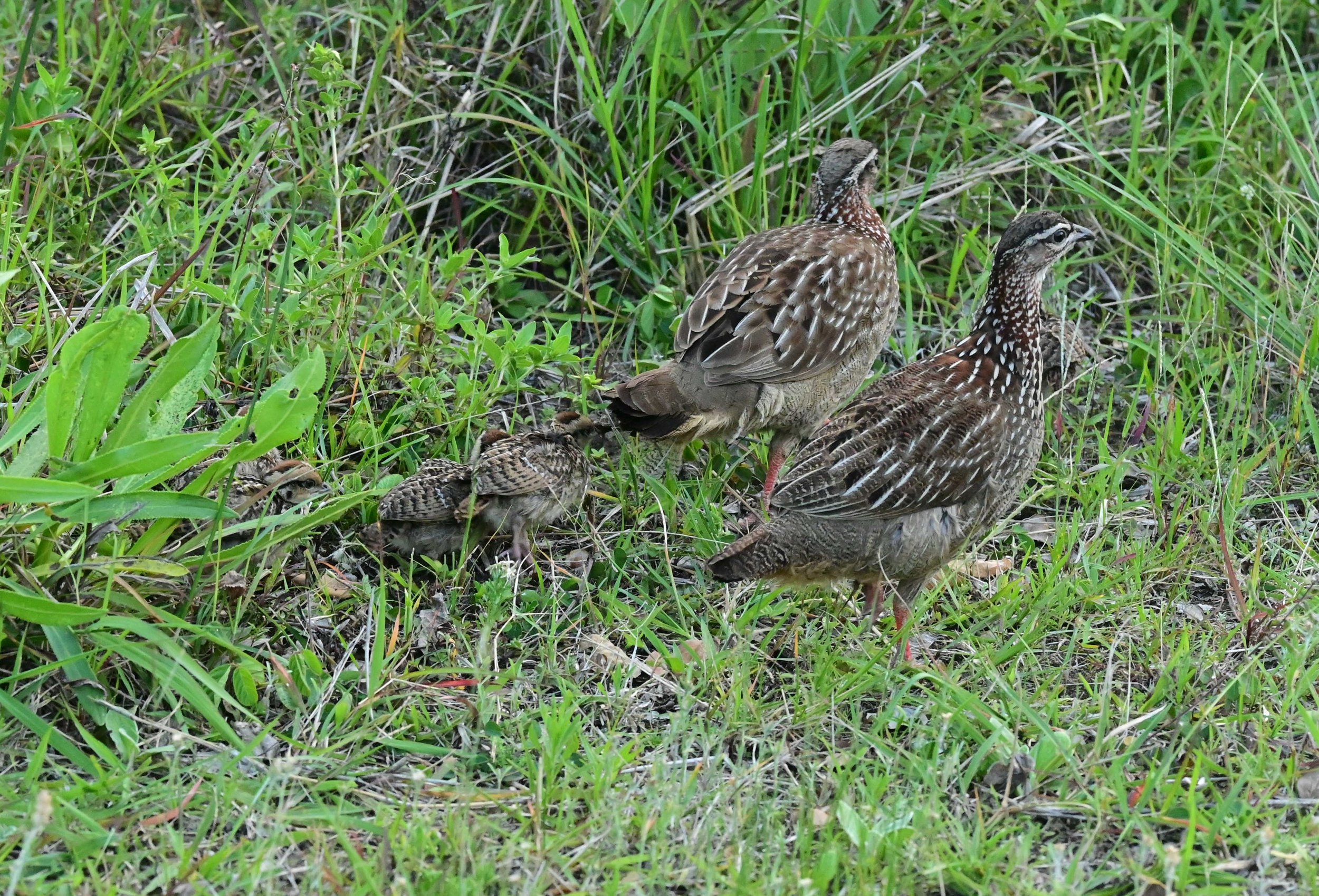
iSimangaliso Wetland Park
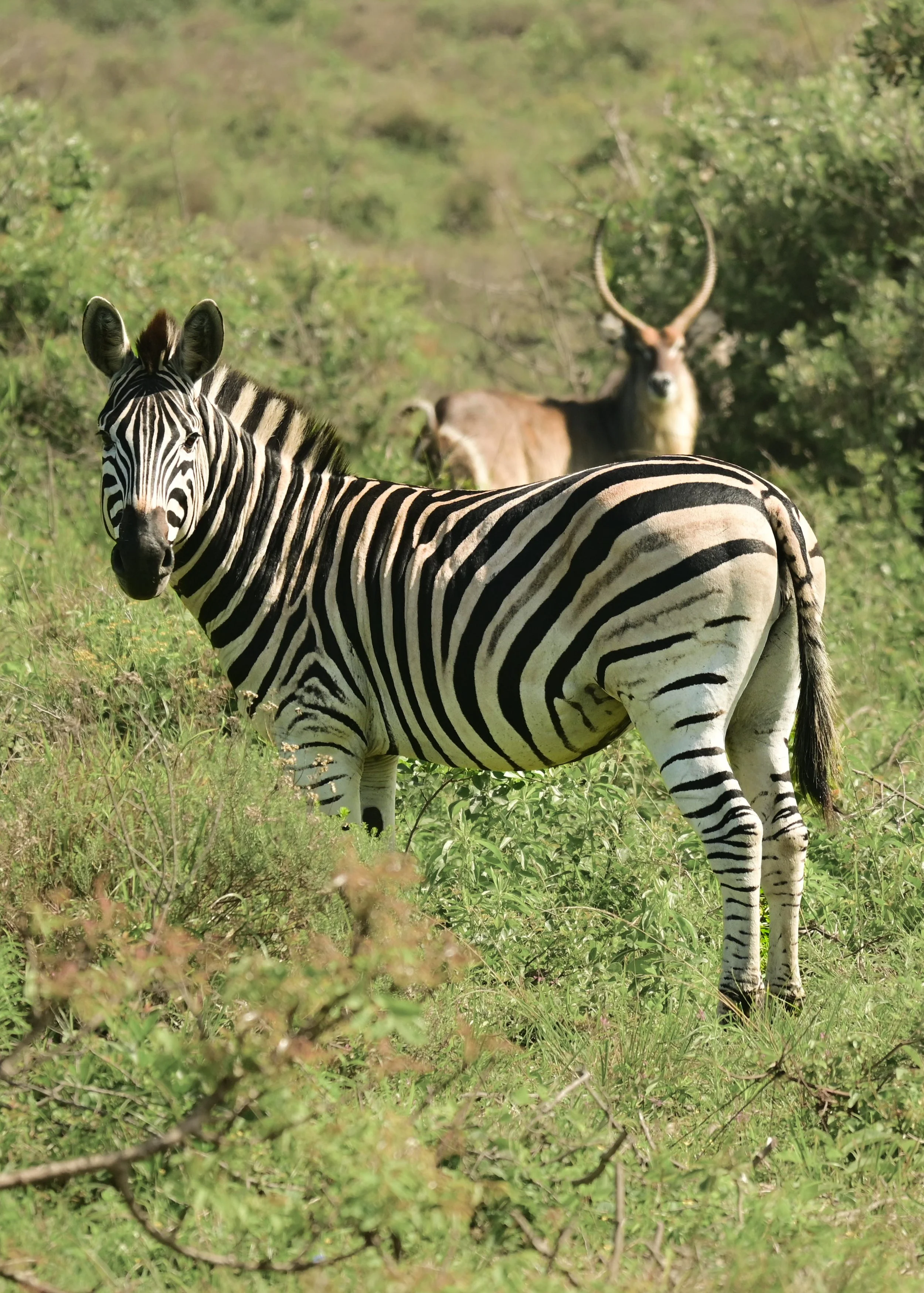
iSimangaliso Wetland Park
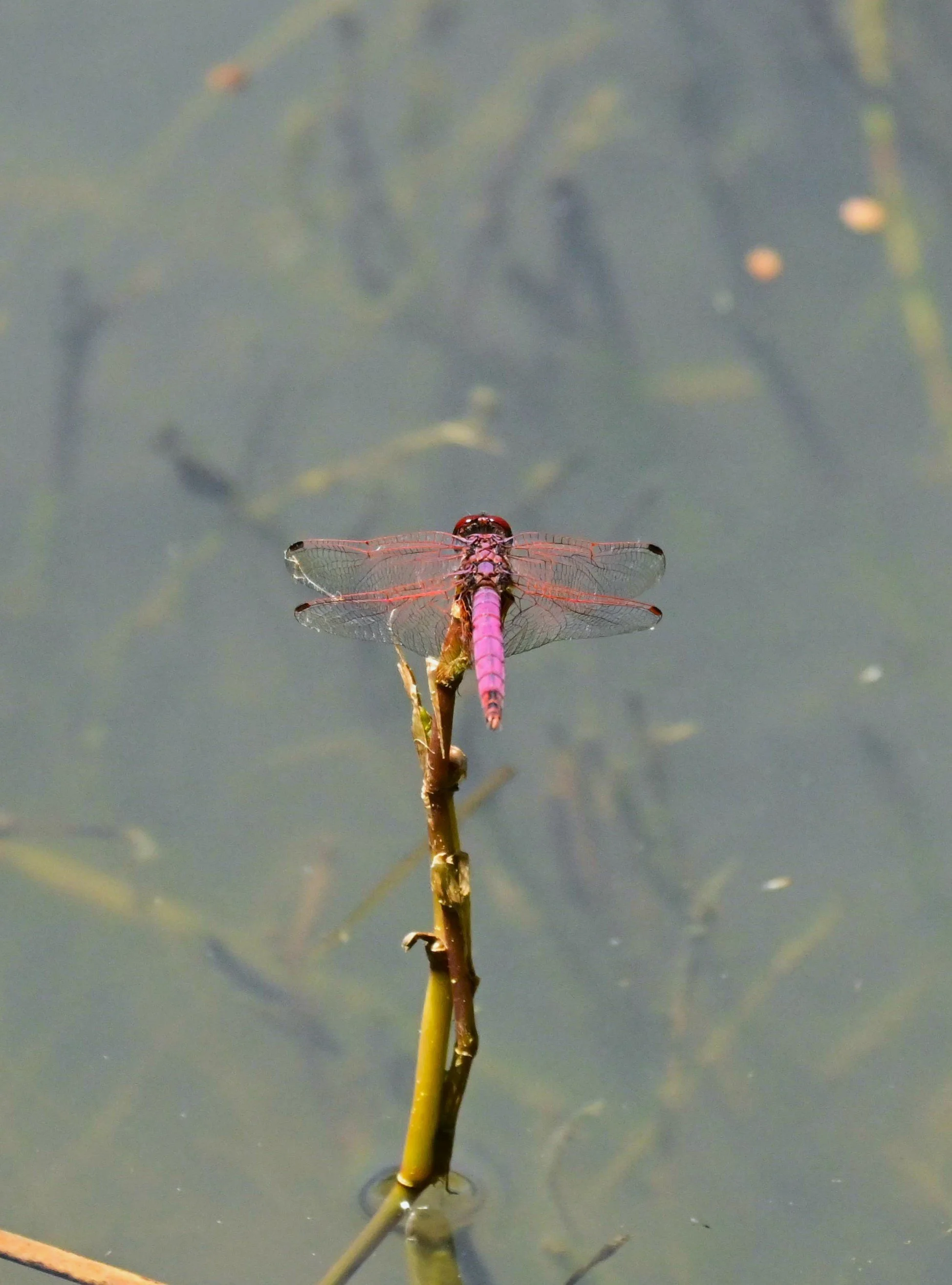
iSimangaliso Wetland Park
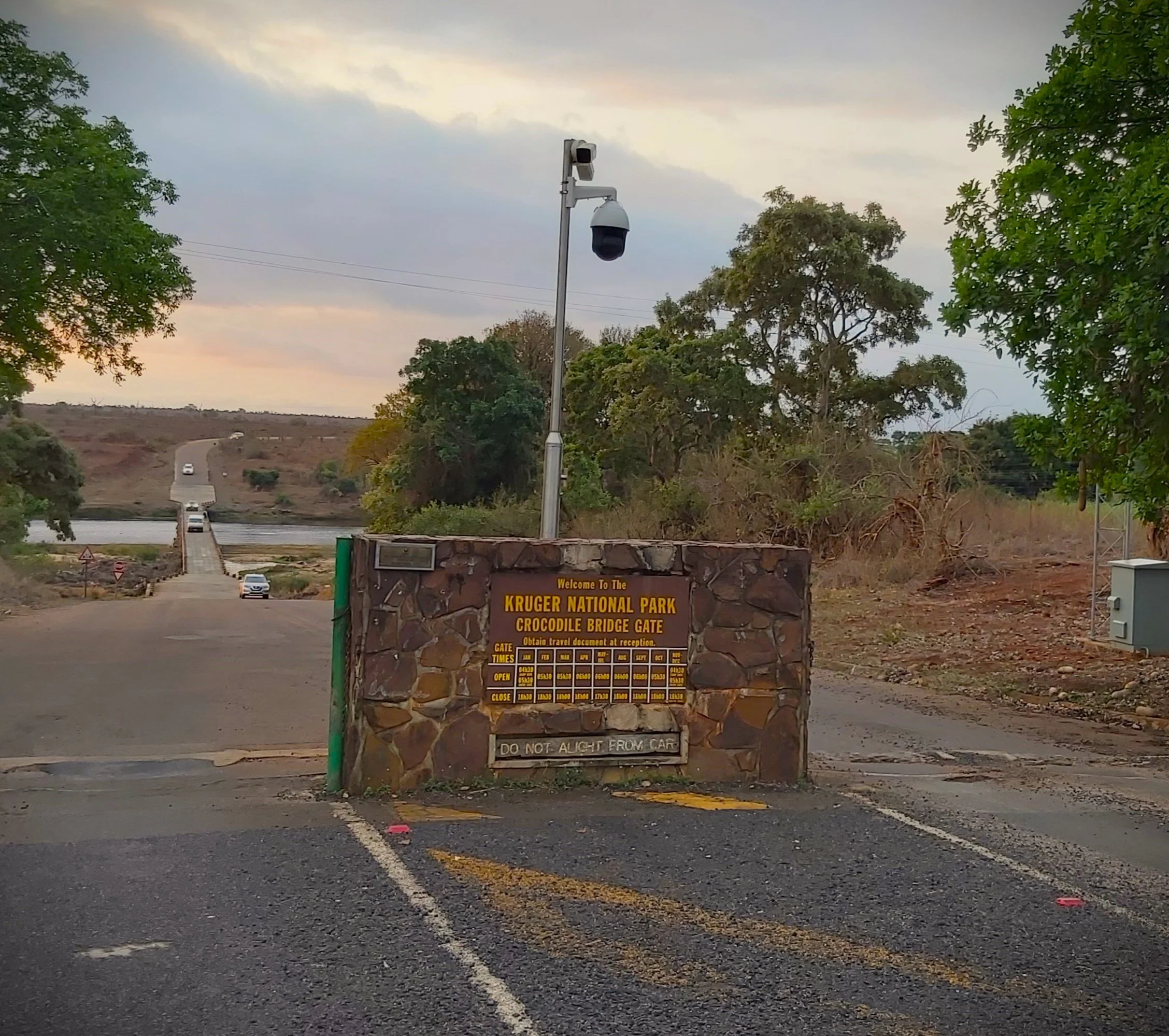
Entrance Gate of Kruger National Park
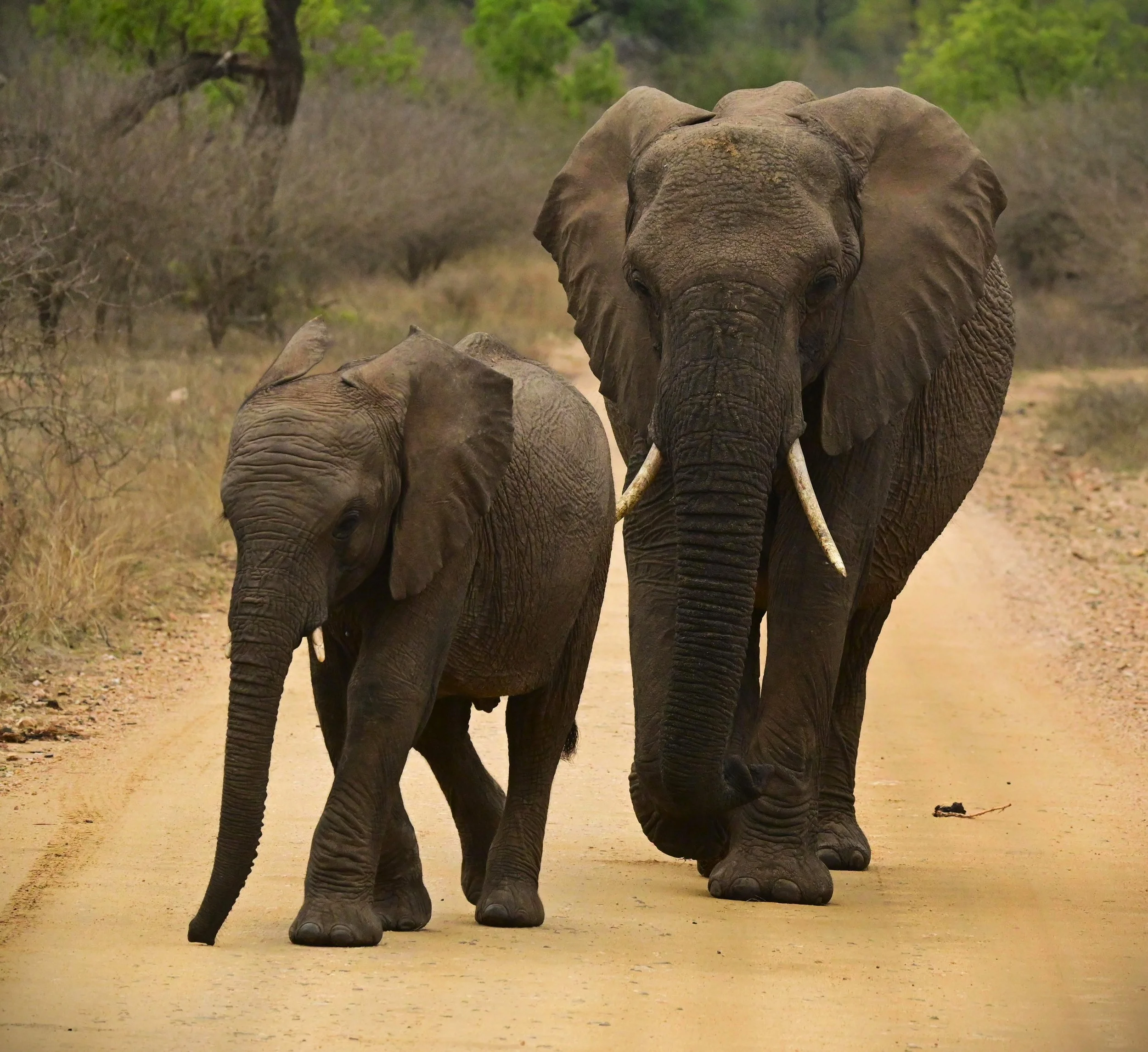
African Bush Elephant (Loxodonta africana), EN, Kruger National Park
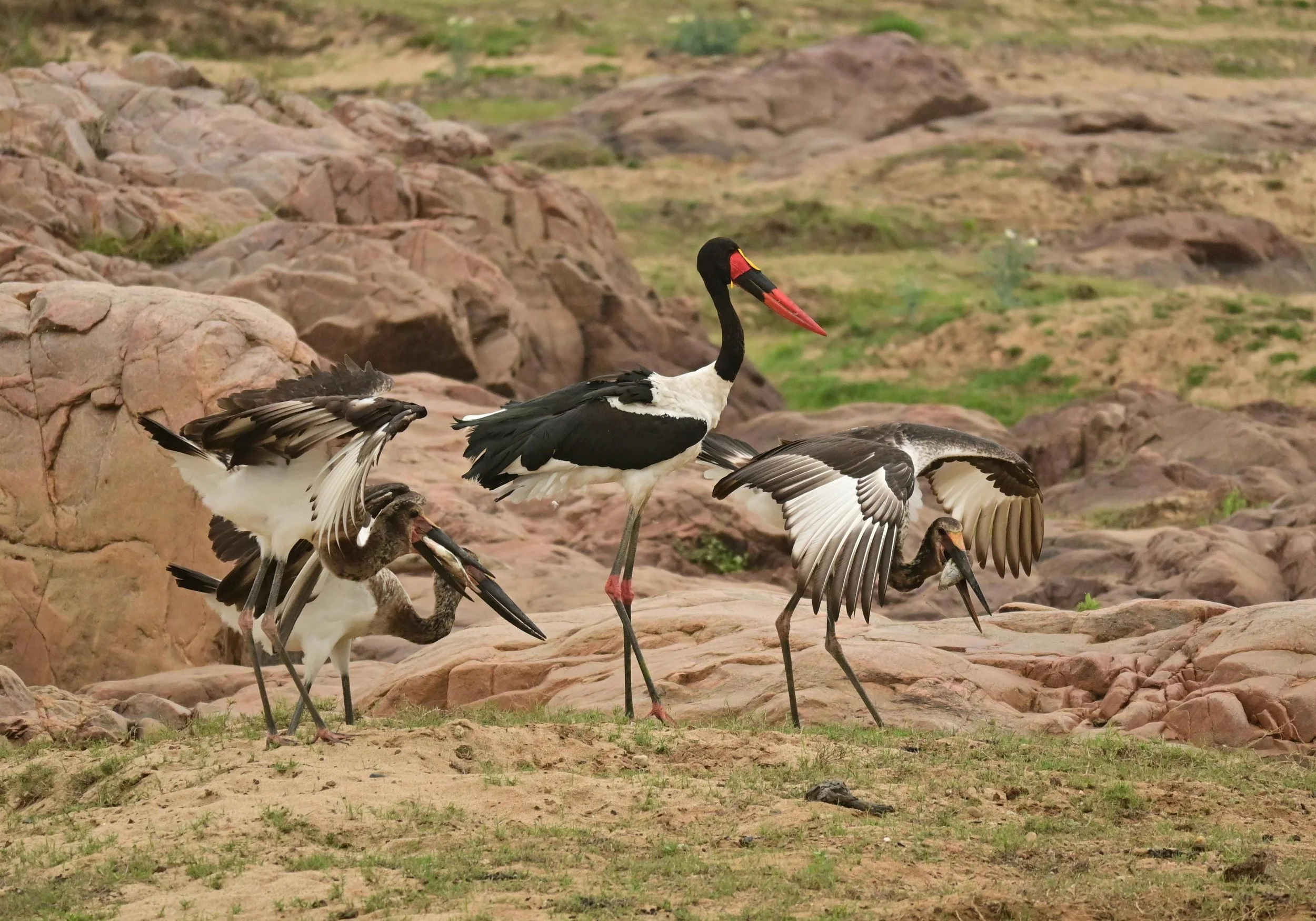
Saddle-billed Storks (Ephippiorhynchus senegalensis), LC, Kruger National Park
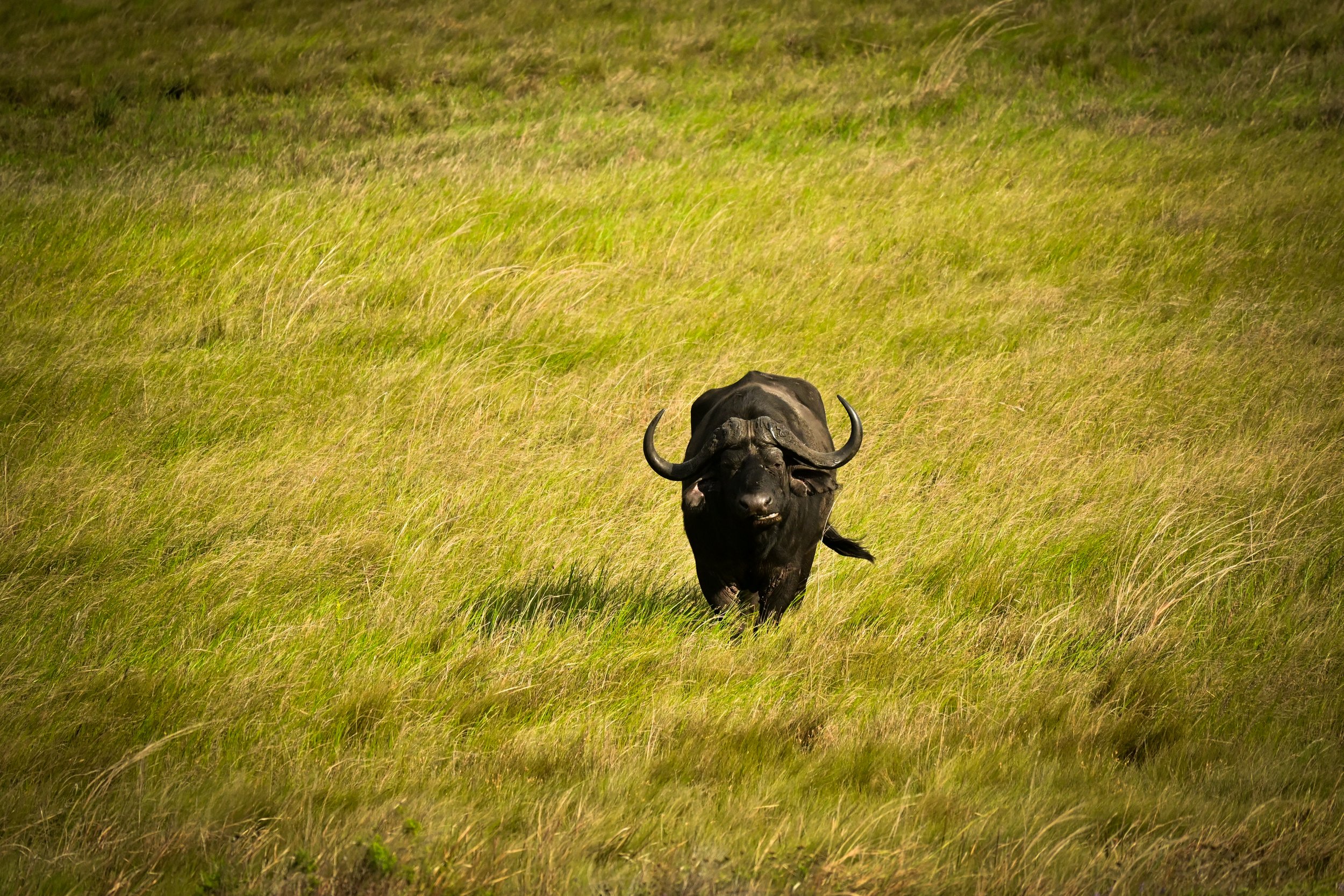
African buffalo (Syncerus caffer), LC, Kruger National Park
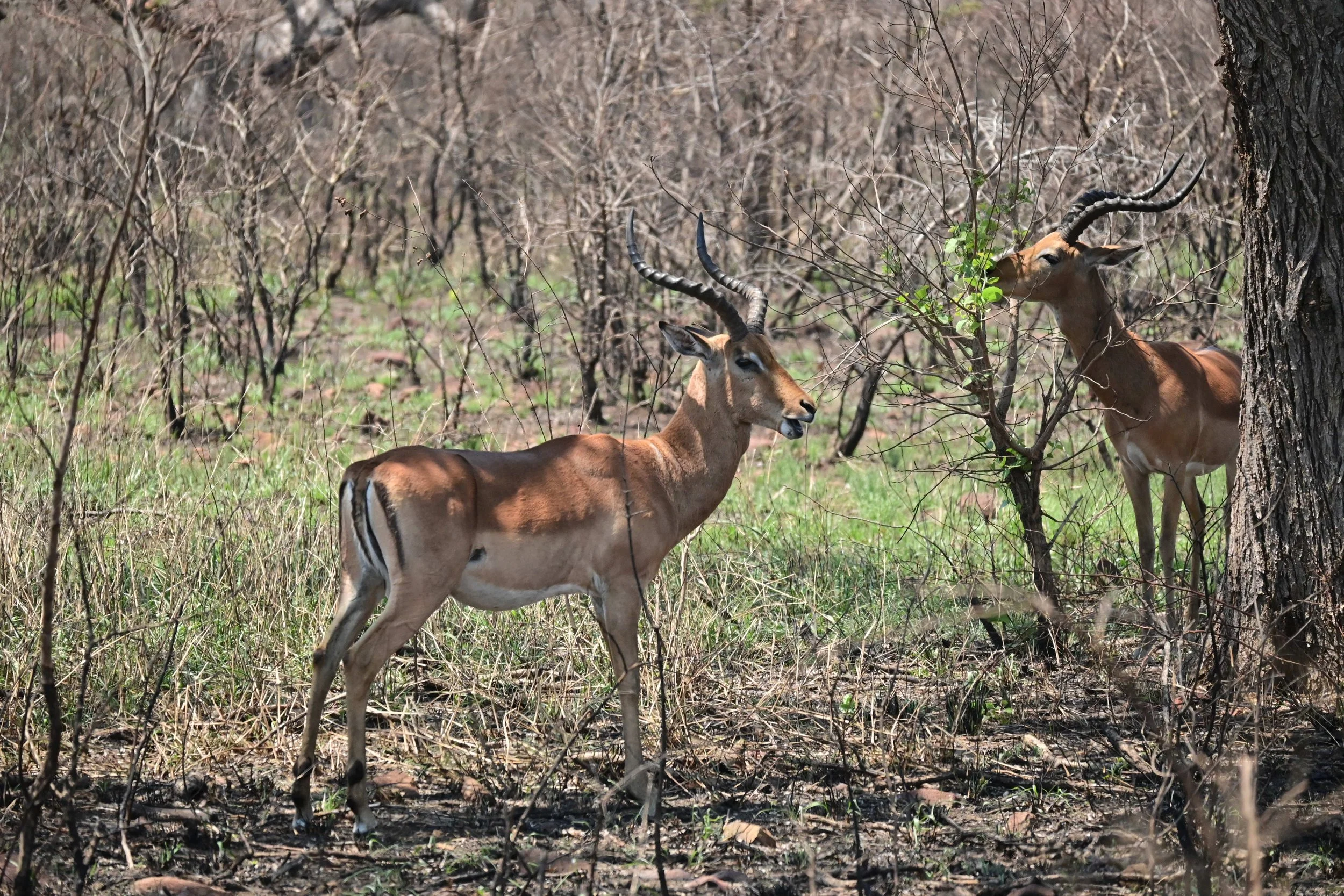
Impala (Aepyceros melampus), LC, Kruger National Park
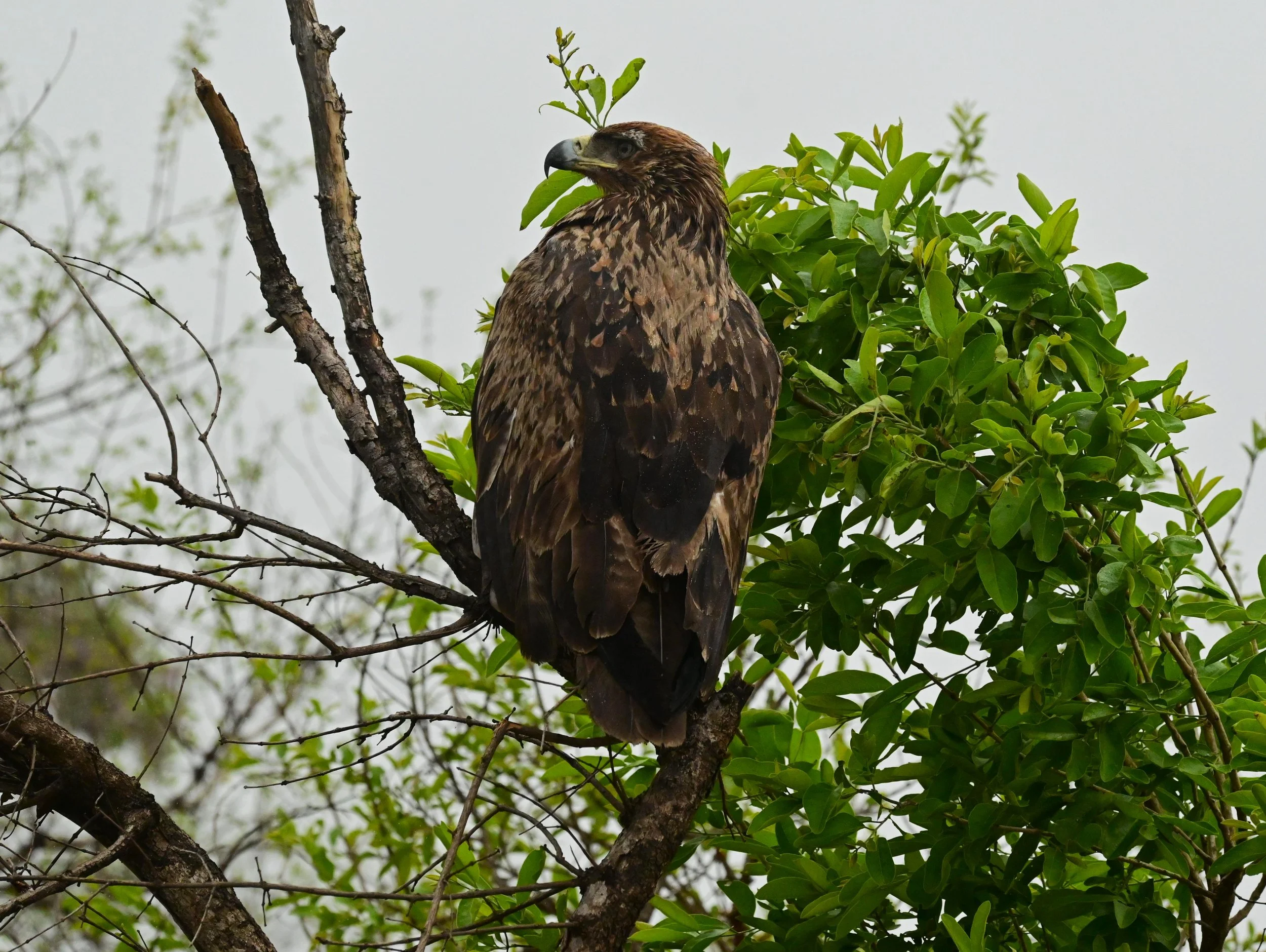
Wahlberg's eagle (Hieraaetus wahlbergi), LC, Kruger National Park
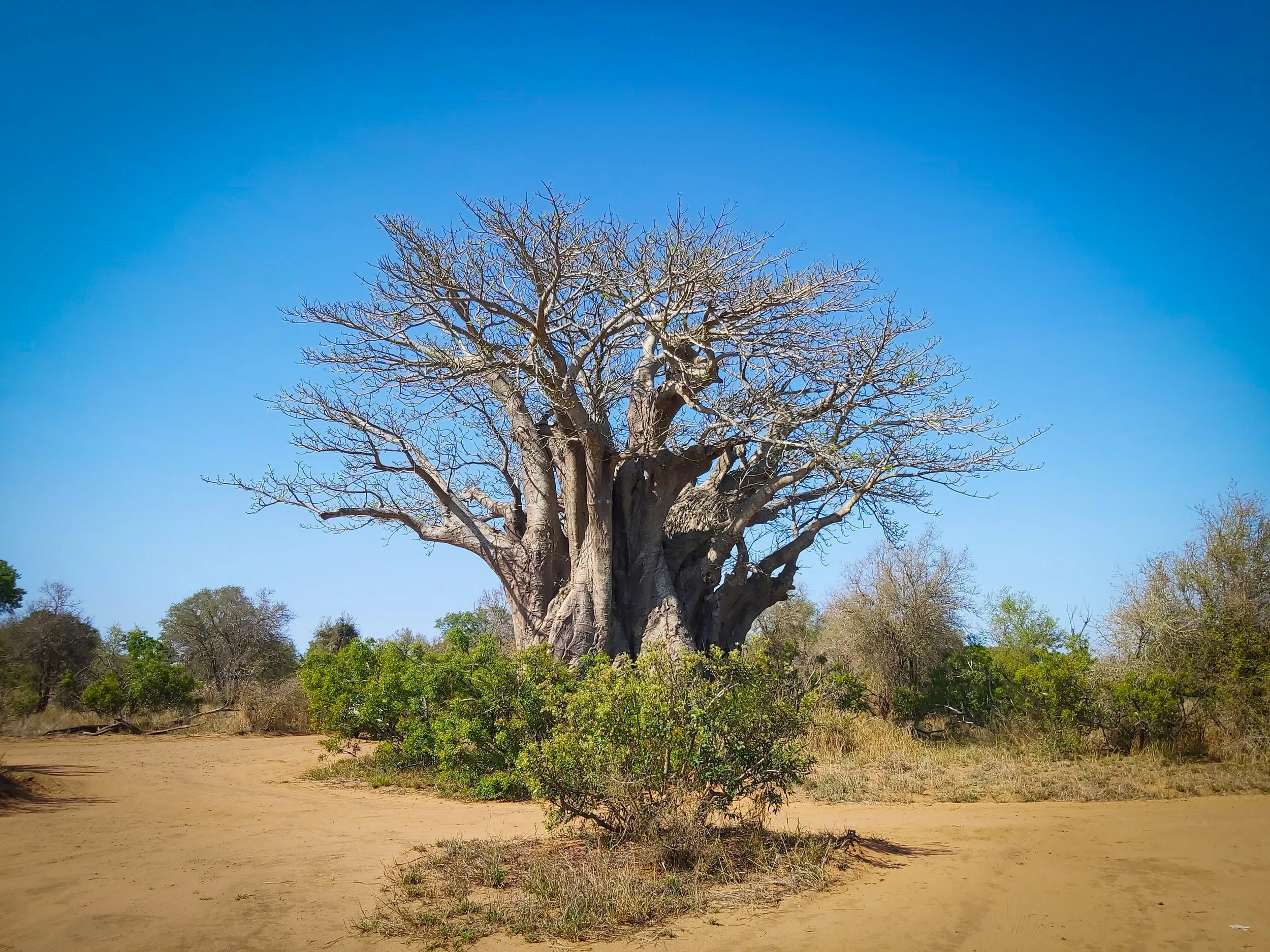
African Baobab (Adansonia digitata), LC, Kruger National Park
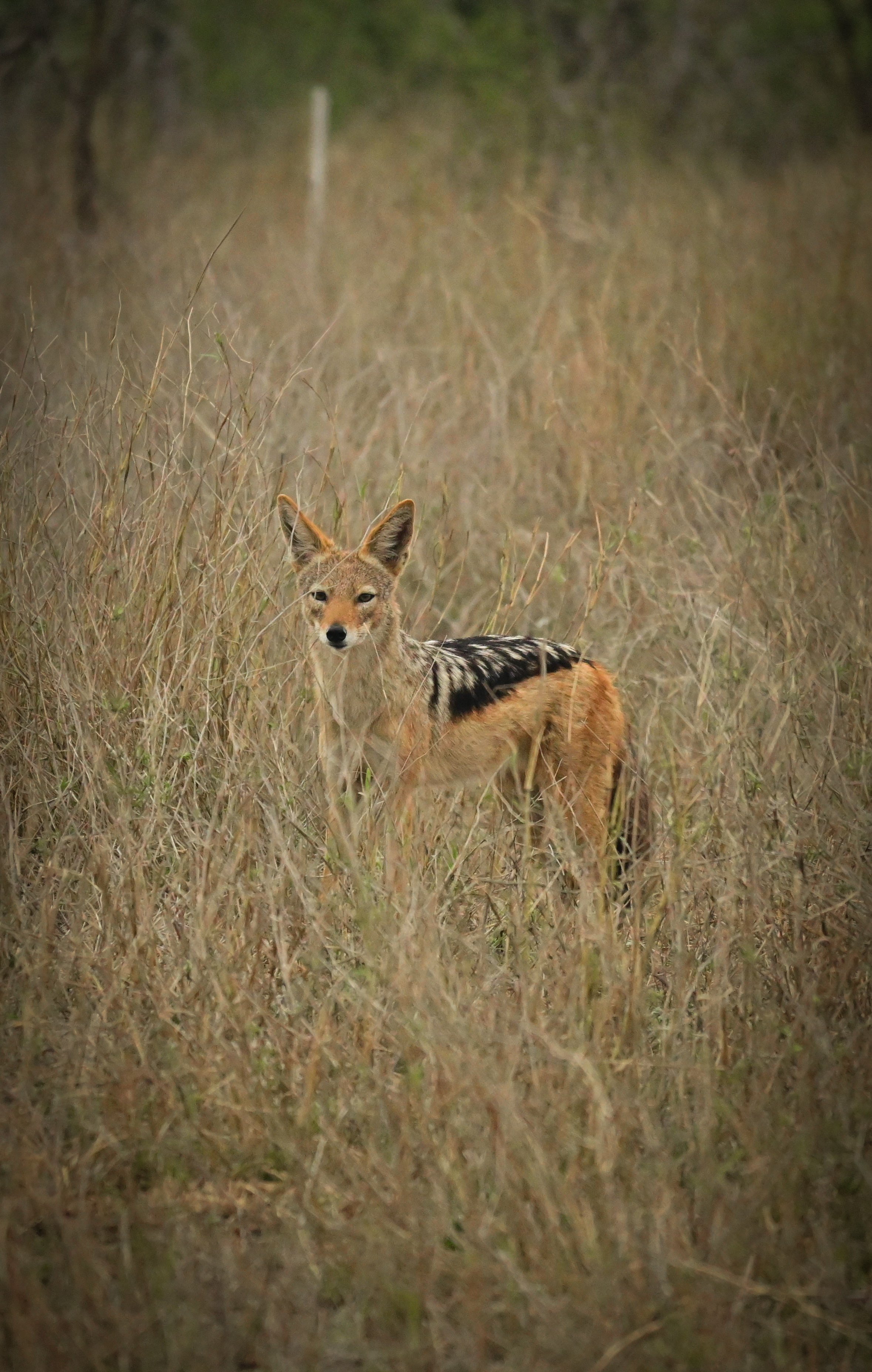
Black-backed jackal (Lupulella mesomelas), LC, Kruger National Park
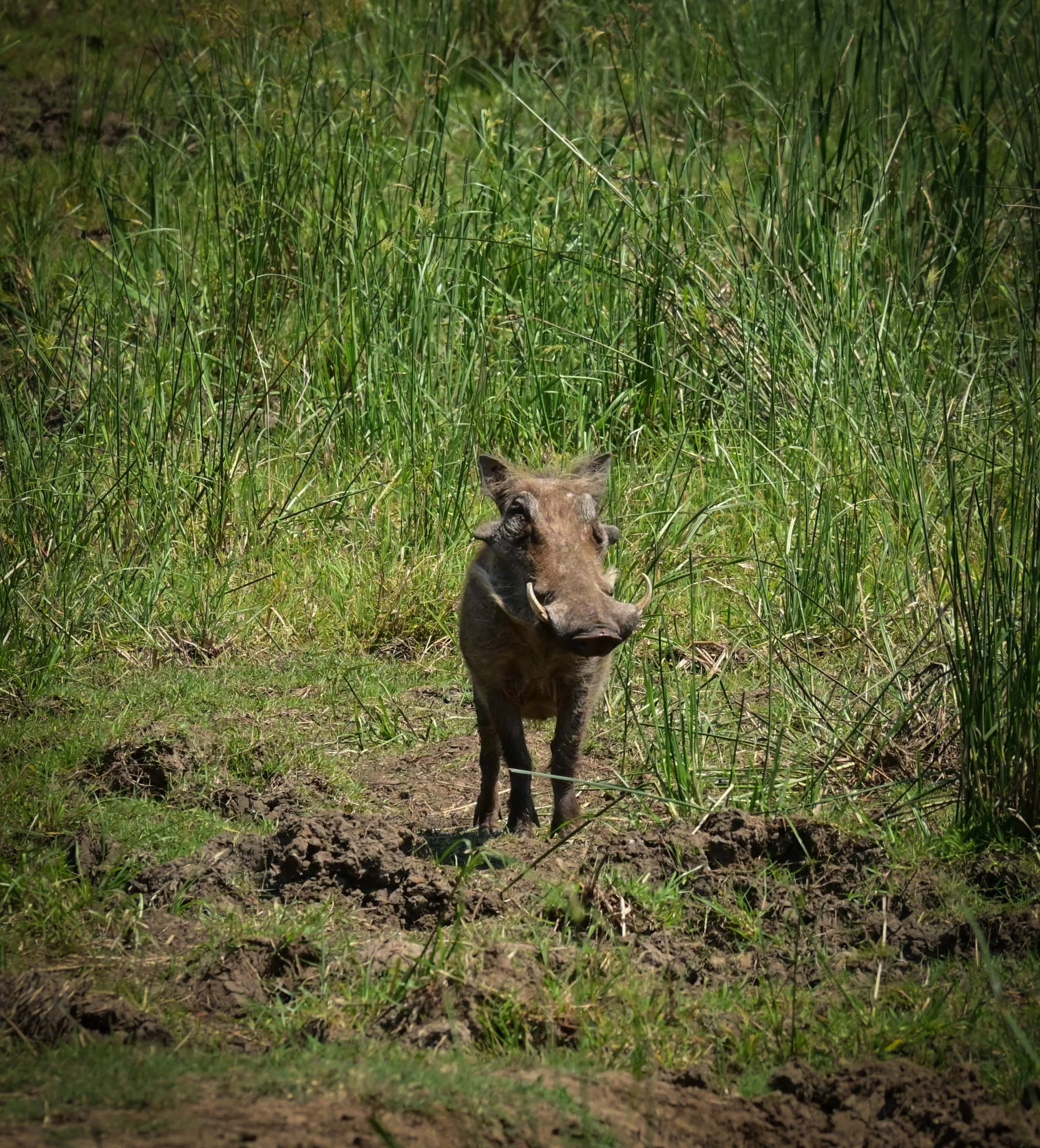
Common Warthog (Phacochoerus africanus), LC, Kruger National Park
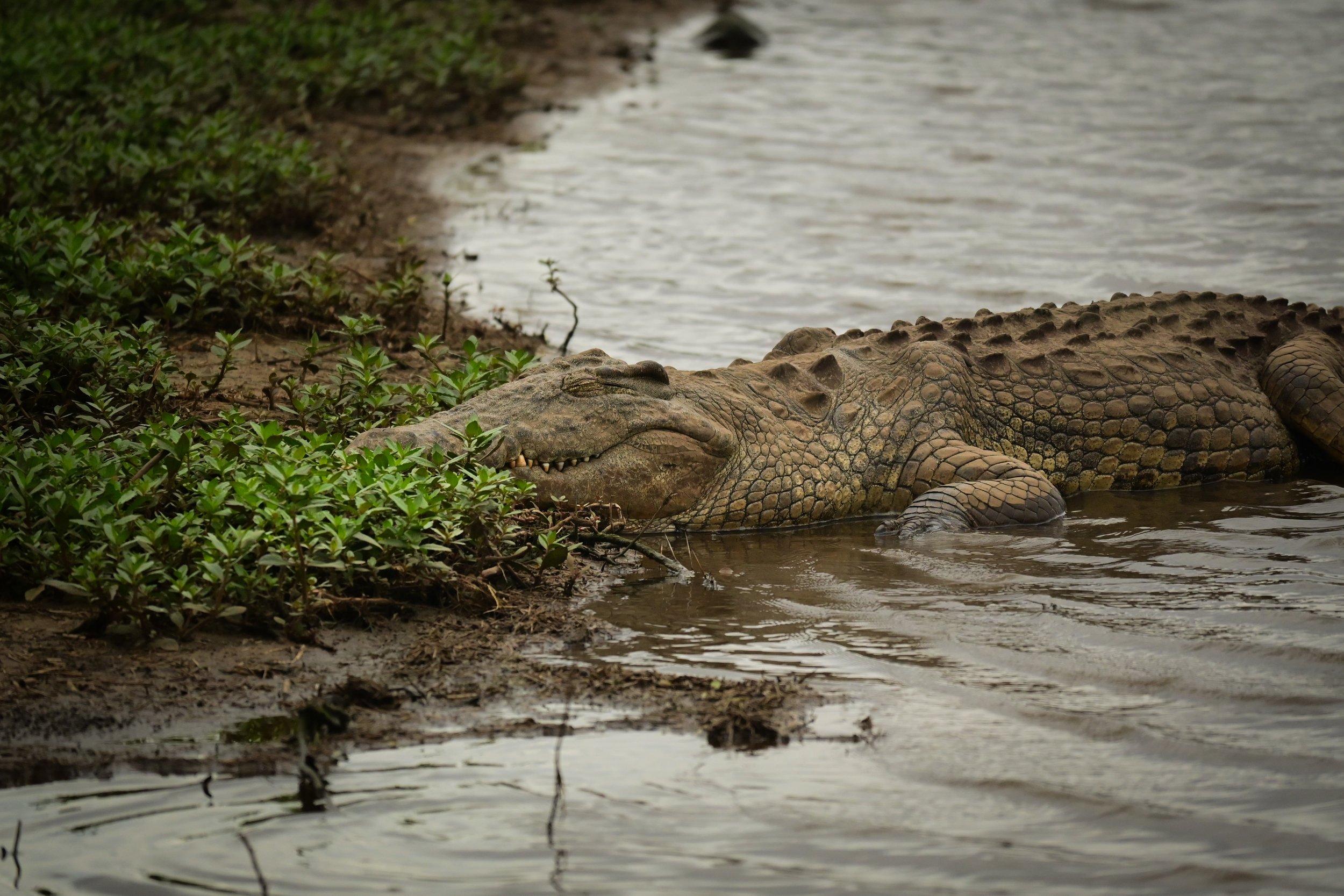
Nile crocodile (Crocodylus niloticus), LC, Kruger National Park
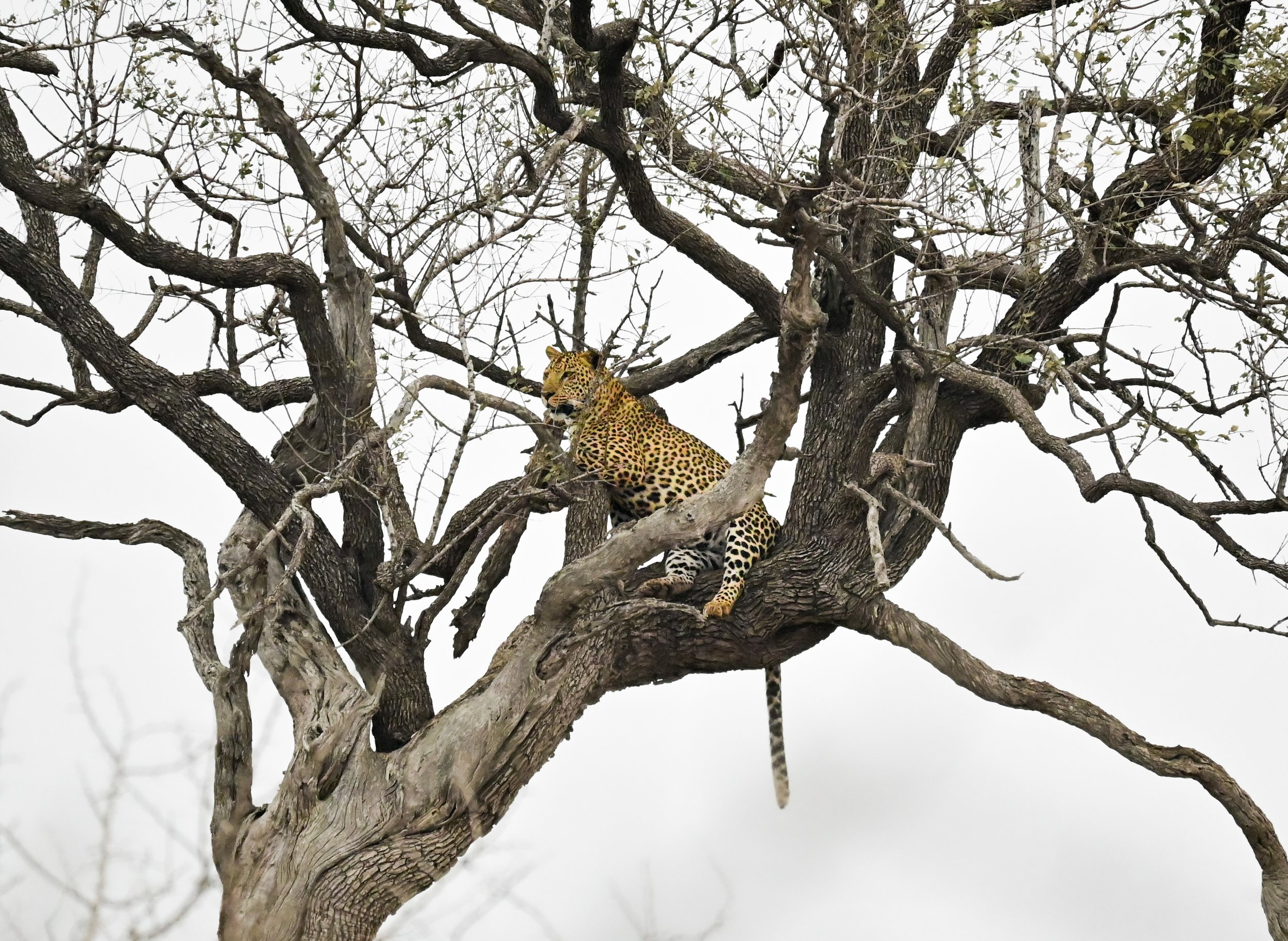
African leopard (Panthera pardus pardus), VU, Kruger National Park
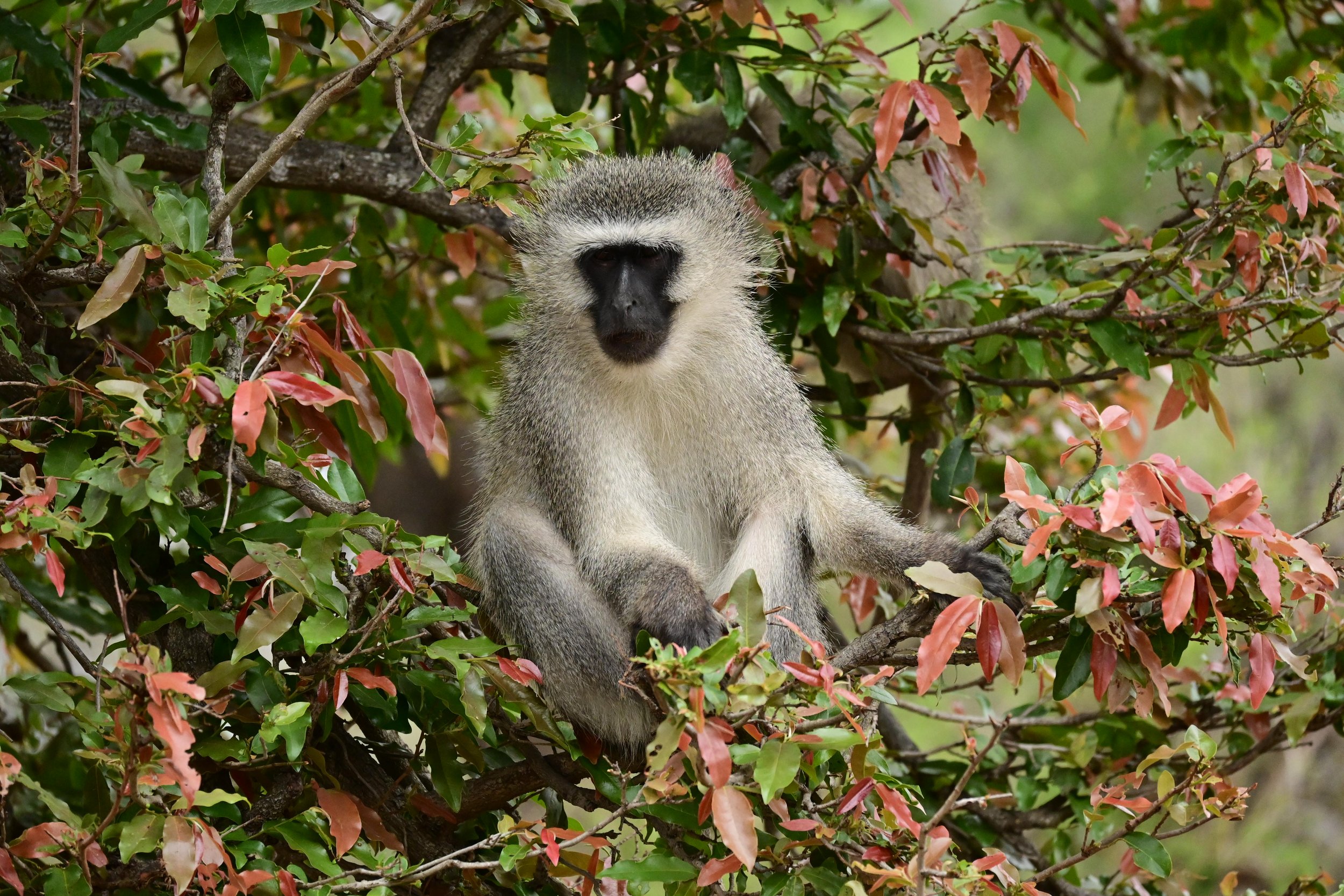
Vervet Monkey (Chlorocebus pygerythrus), LC, Kruger National Park
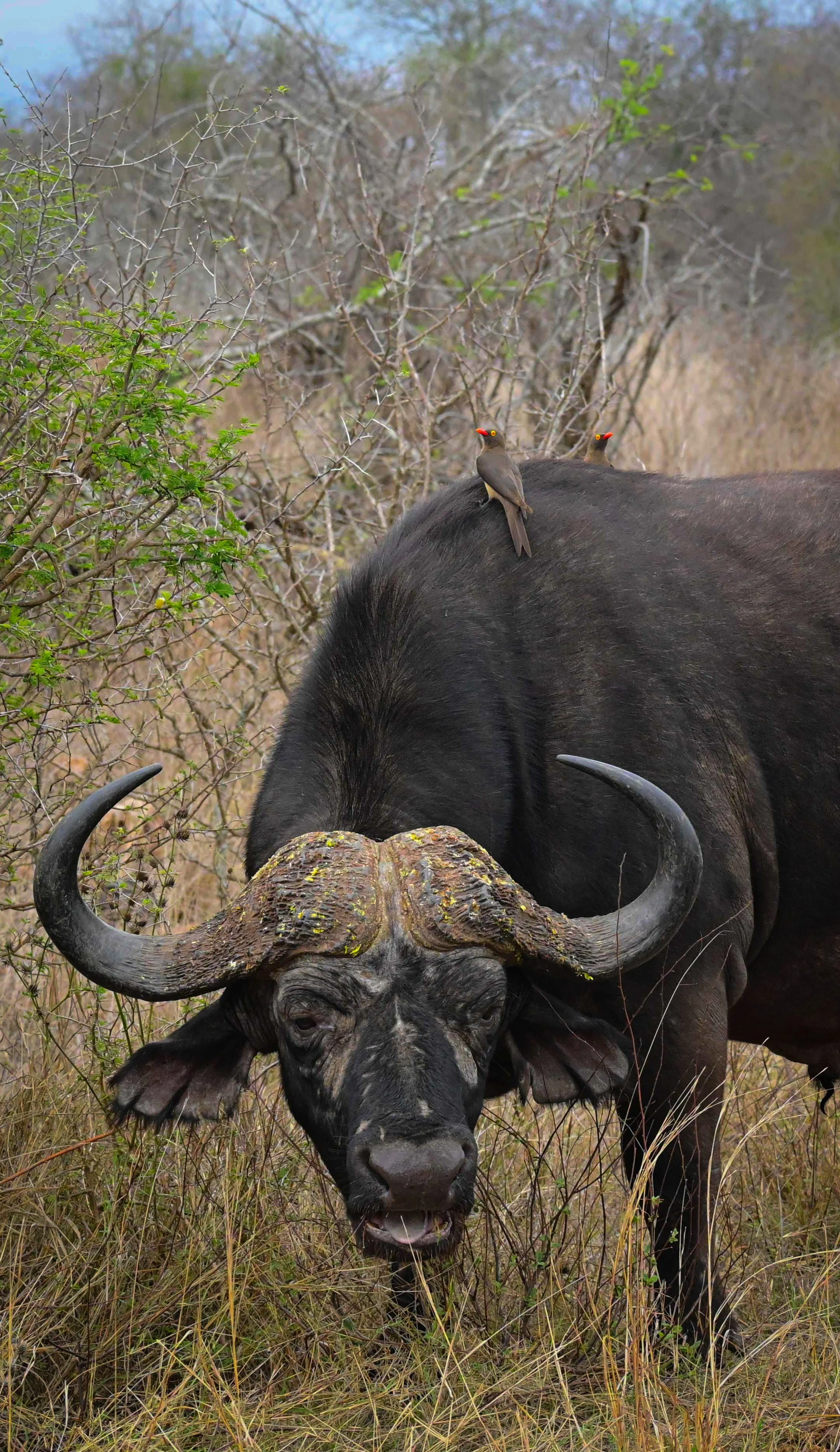
Red-billed Oxpeckers (Buphagus erythrorynchus), LC, Kruger National Park
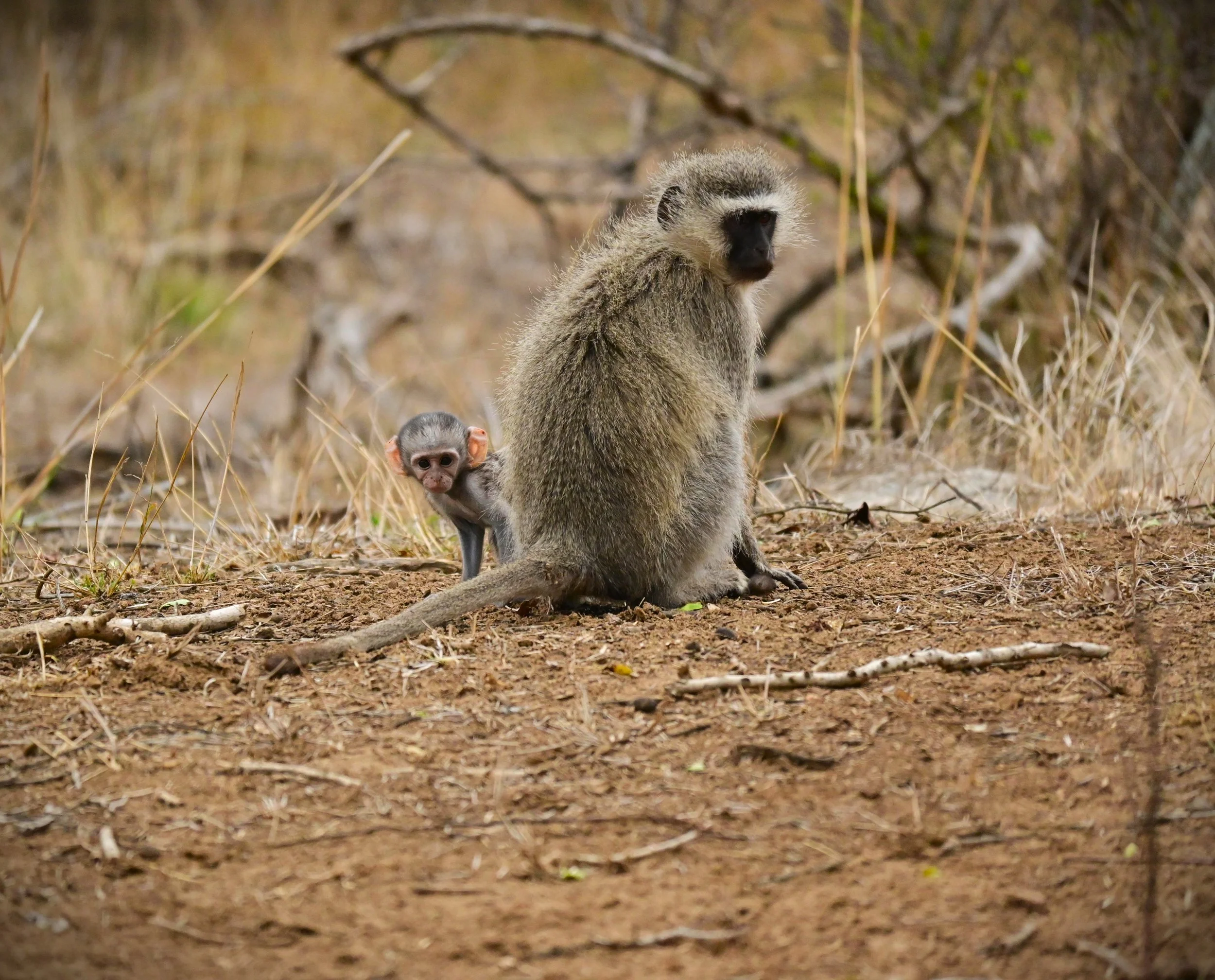
Vervet Monkey with a juvenile (Chlorocebus pygerythrus), LC, Kruger National Park
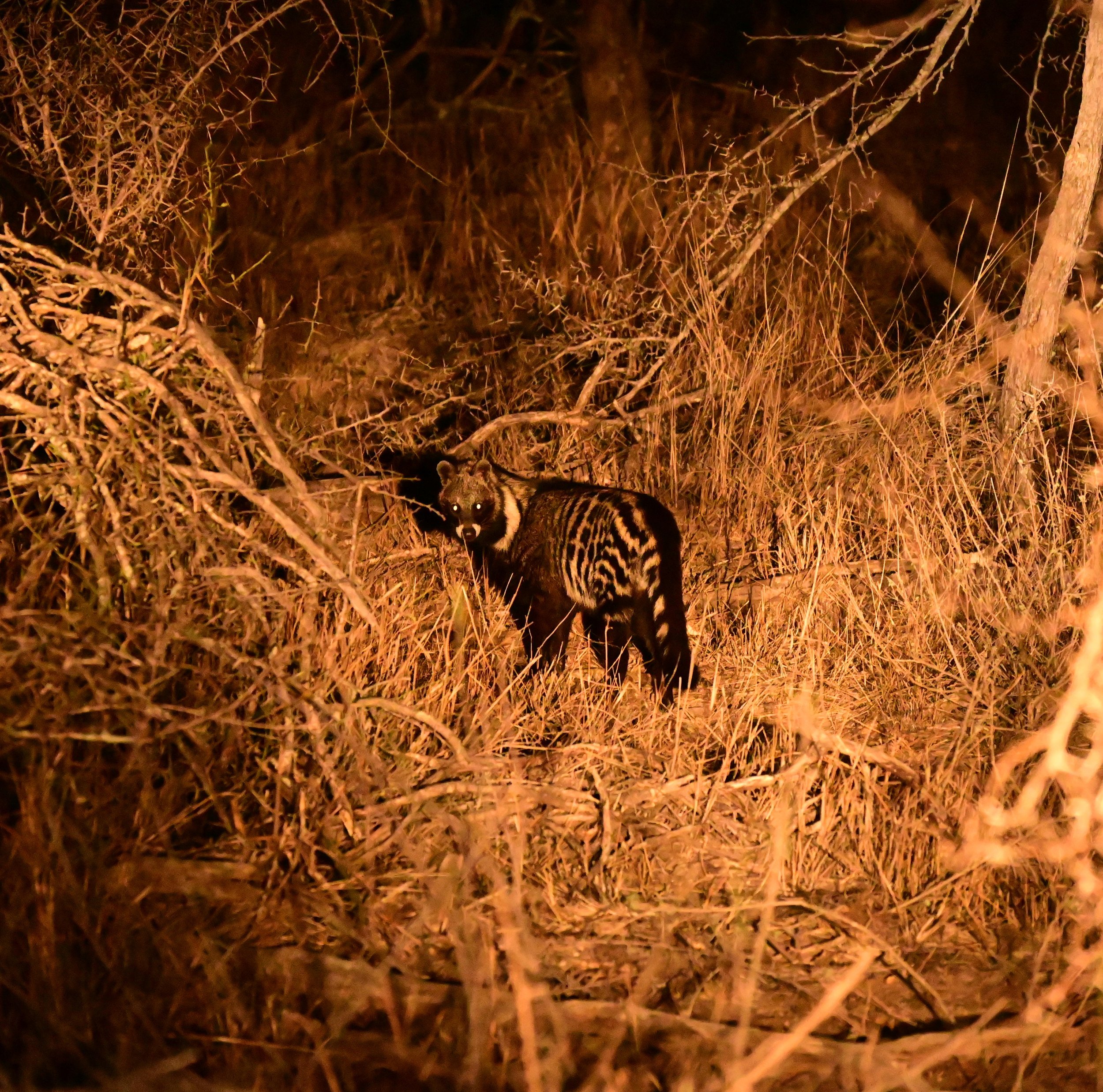
African civet (Civettictis civetta), LC, Kruger National Park
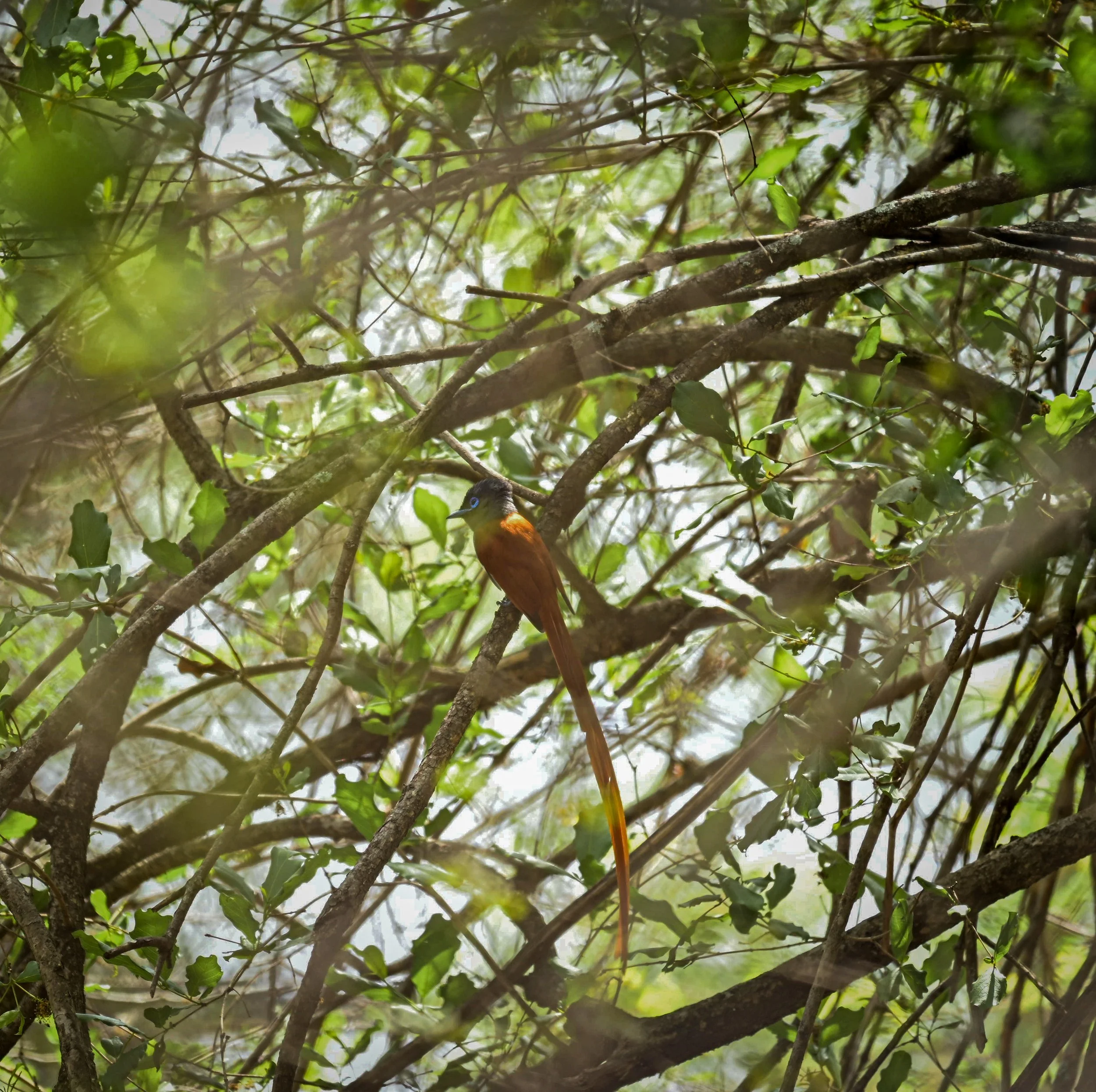
African paradise flycatcher (Terpsiphone viridis), LC, Kruger National Park
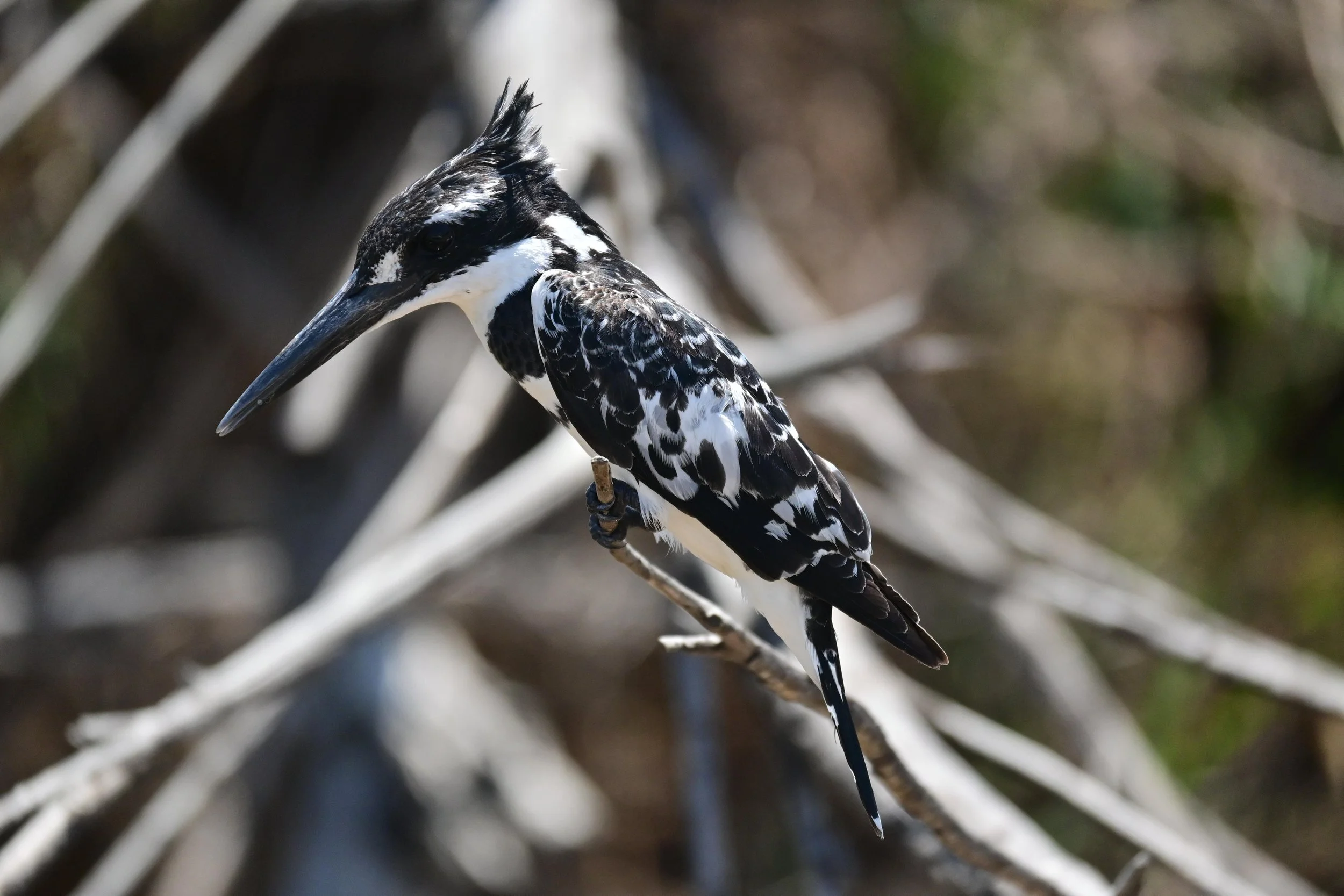
Pied Kingfisher (Ceryle rudis), LC, Kruger National Park
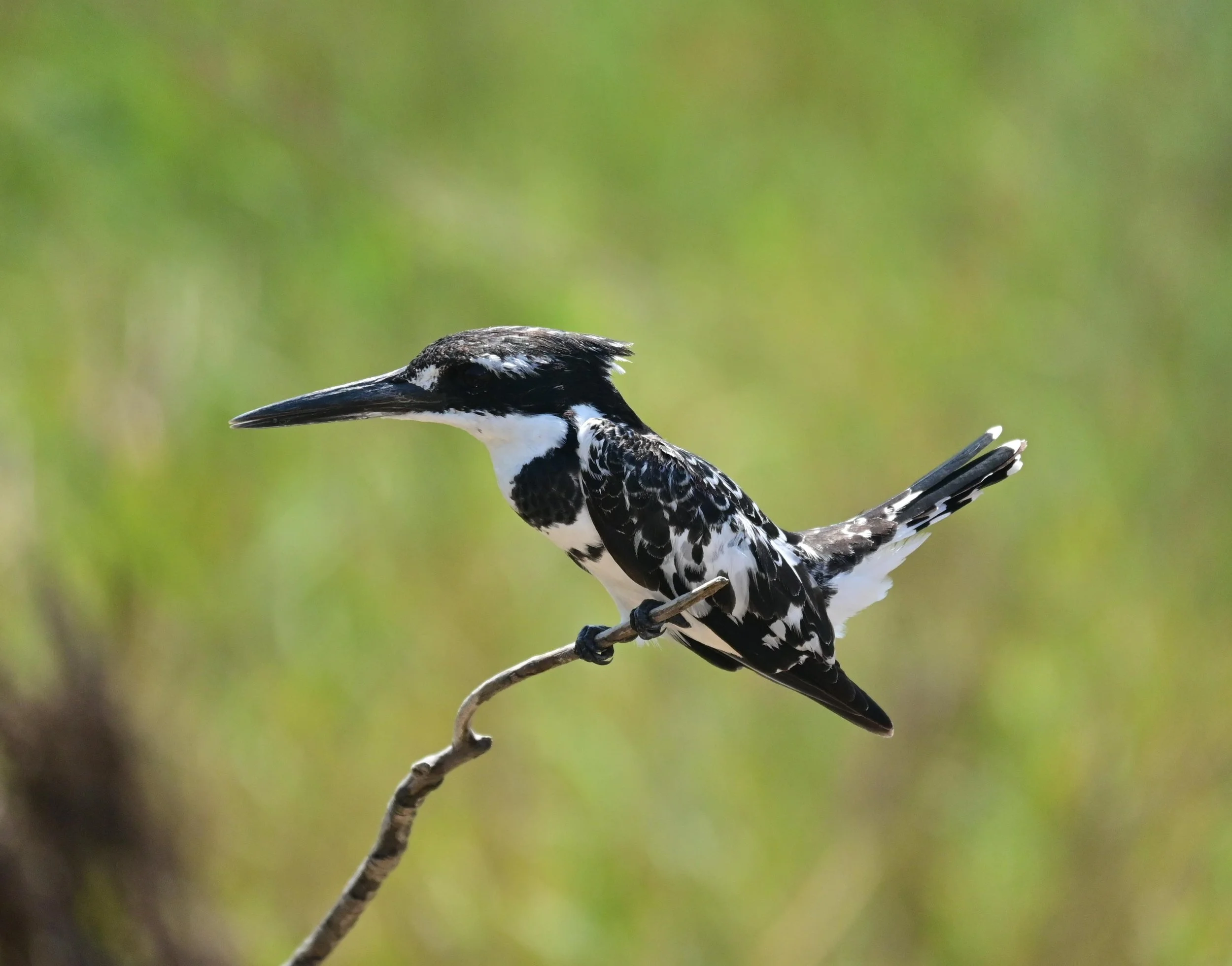
Pied Kingfisher (Ceryle rudis), LC, Kruger National Park
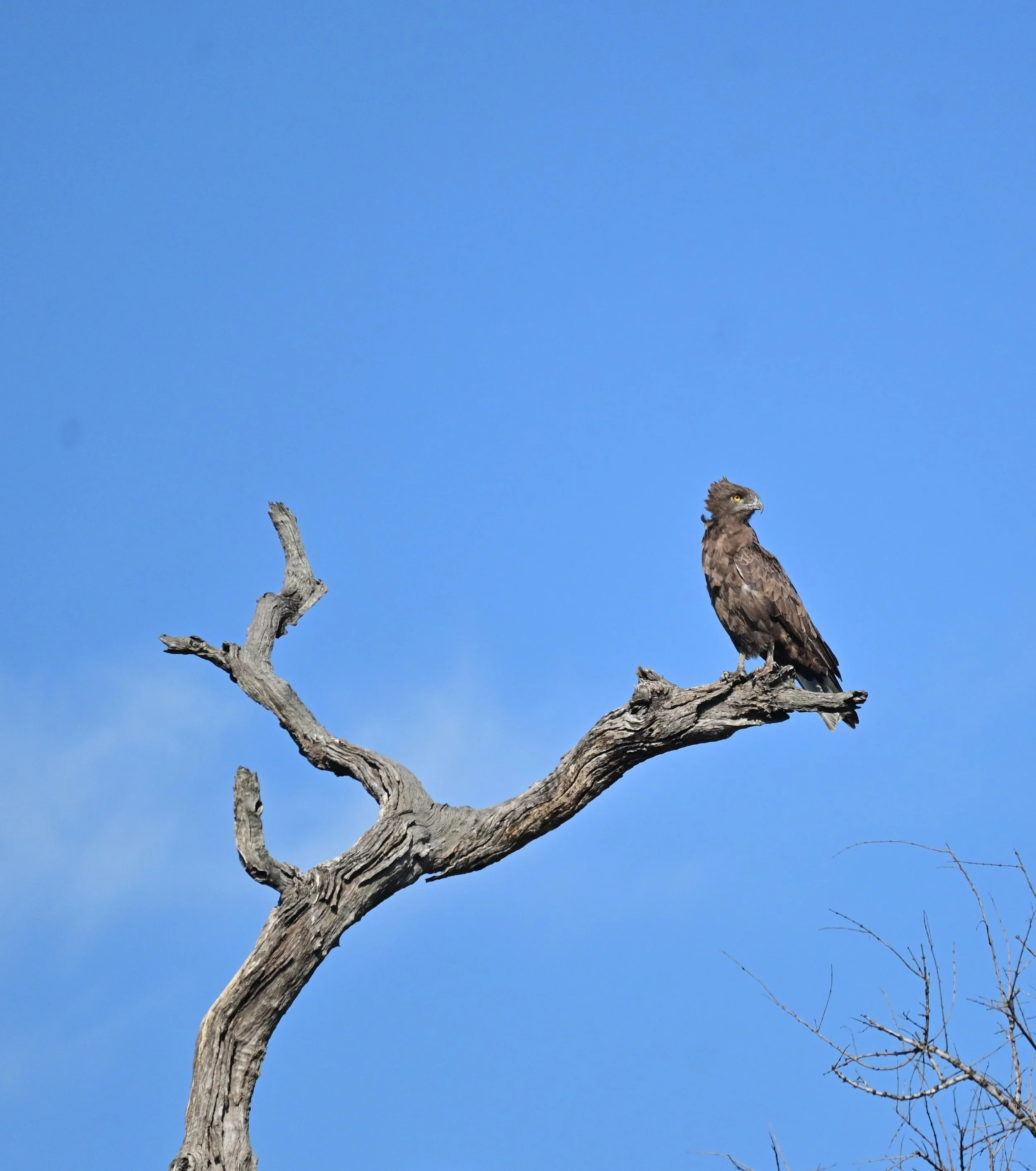
Brown Snake Eagle (Circaetus cinereus), LC, Kruger National Park
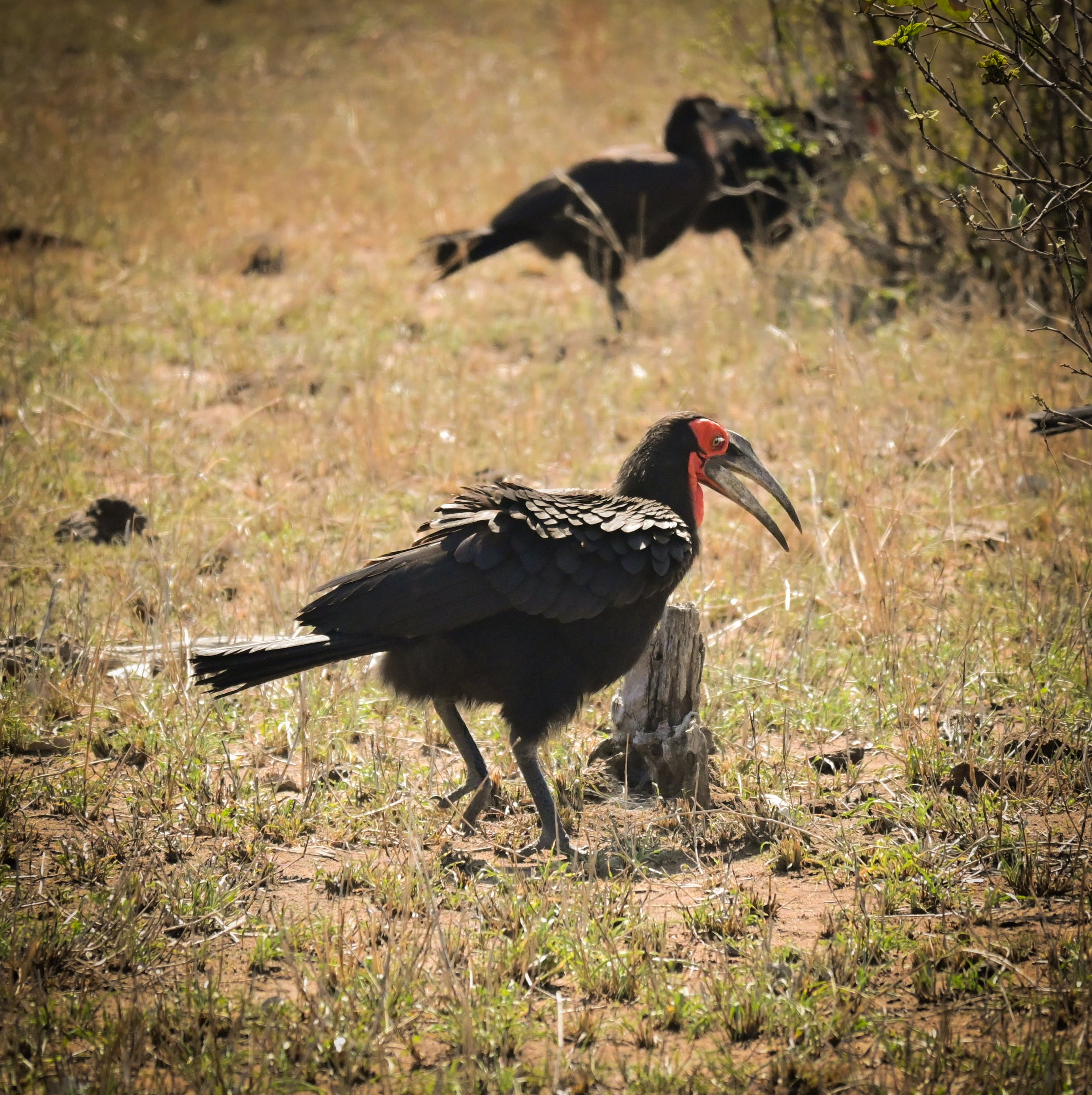
Southern Ground-Hornbill (Bucorvus leadbeateri), VU, Kruger National Park
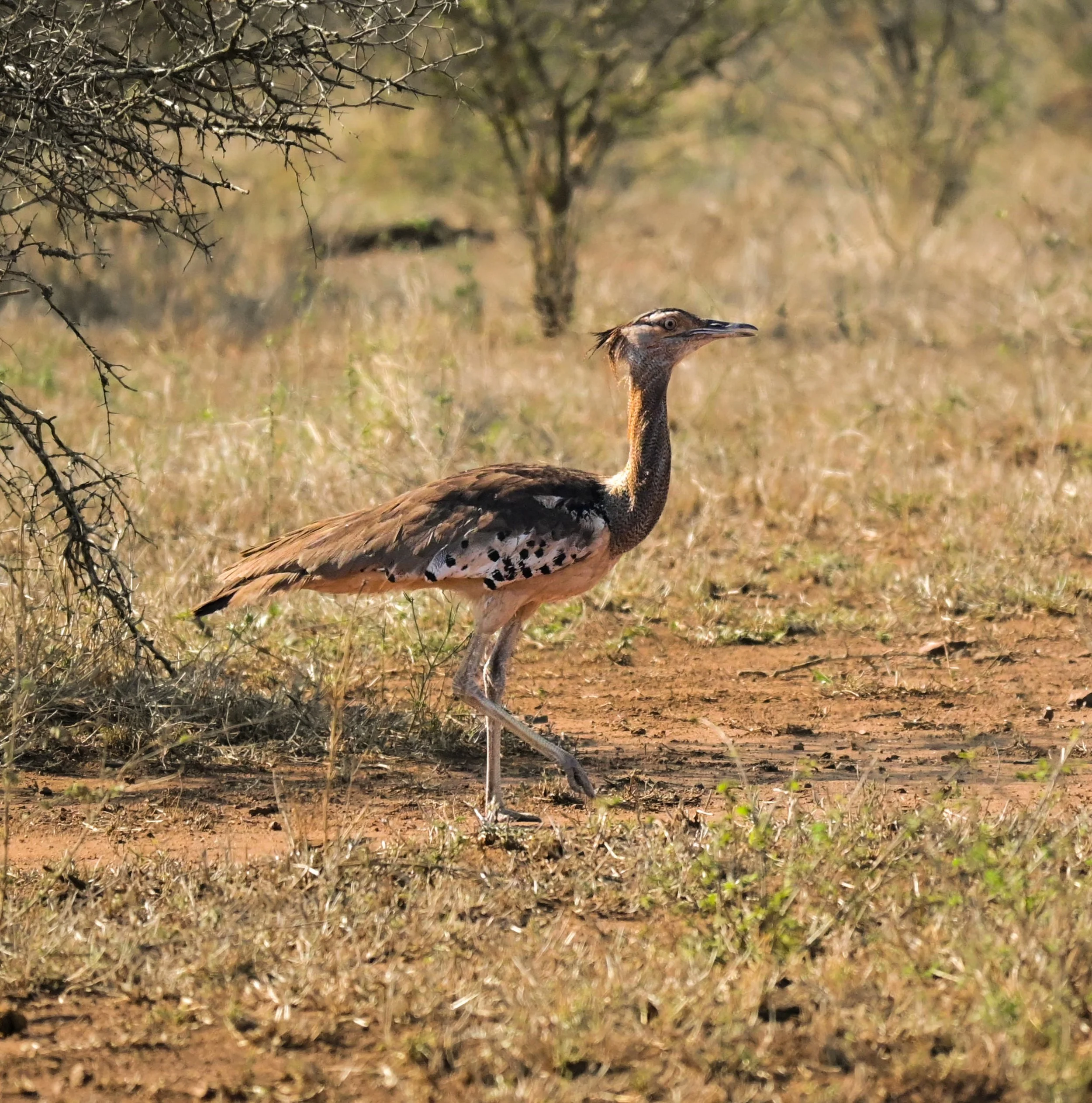
Kori Bustard (Ardeotis kori), NT, Kruger National Park
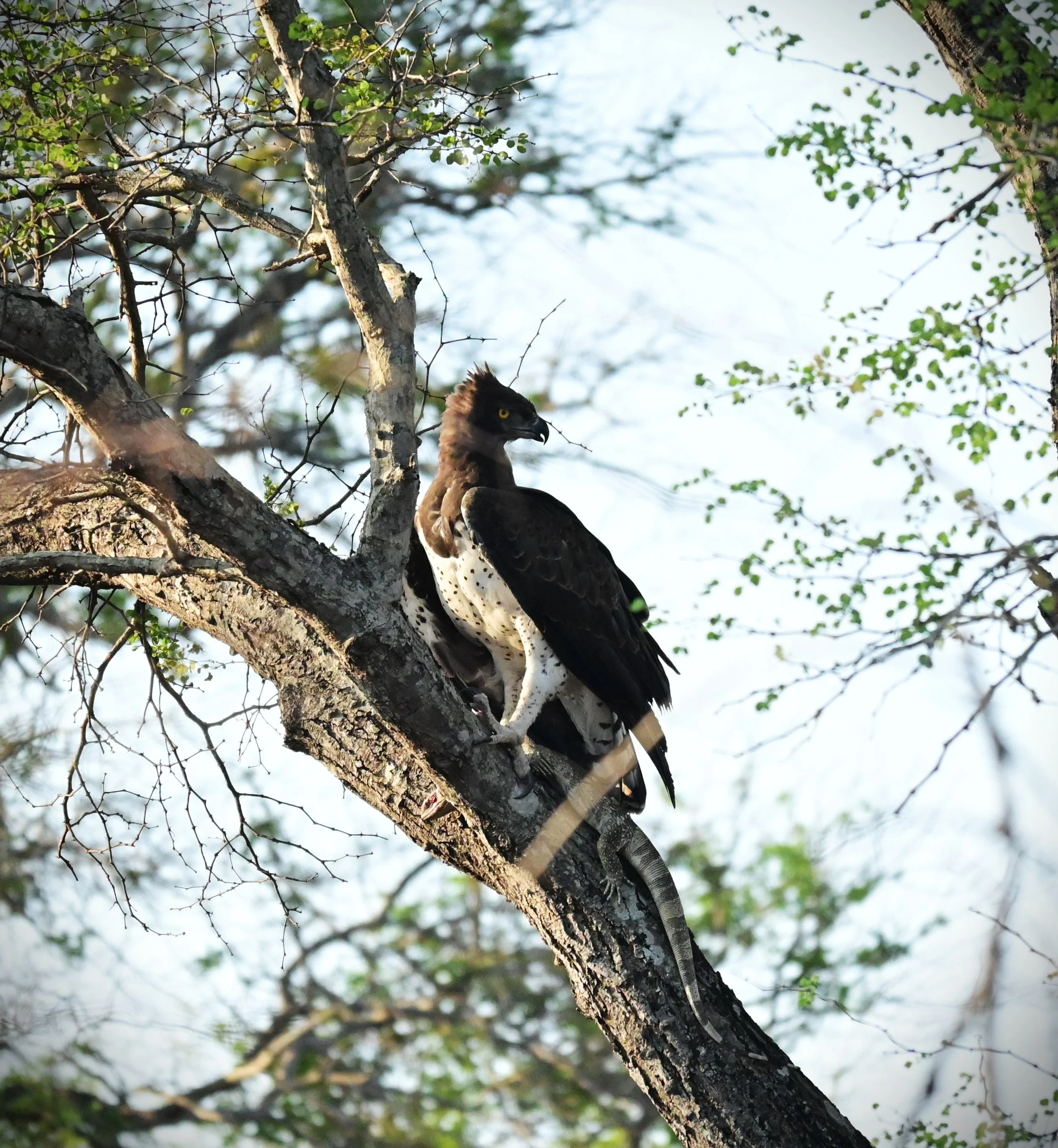
Black-chested Snake Eagle (Circaetus pectoralis), LC, Kruger National Park
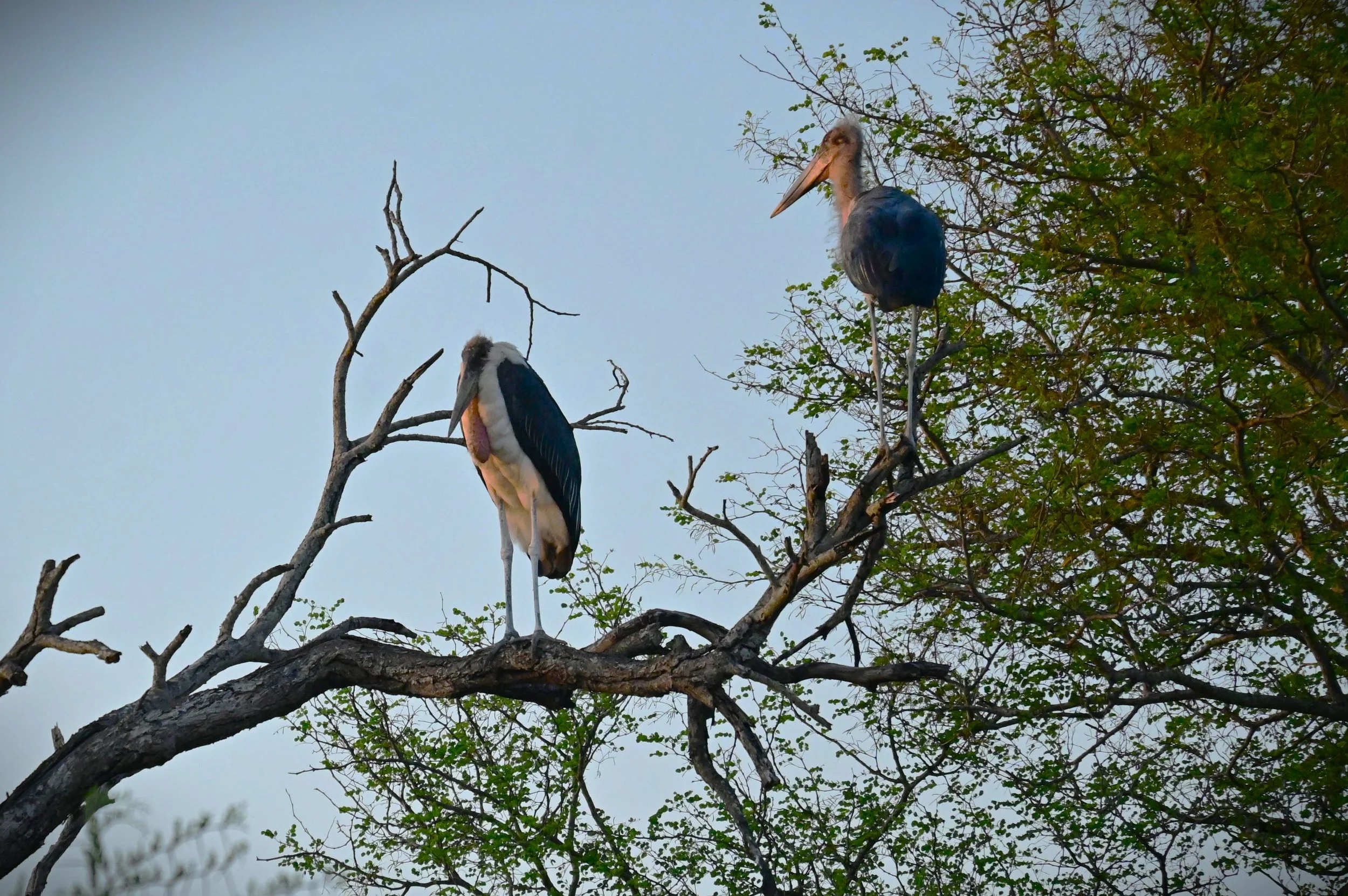
Marabou Stork (Leptoptilos crumenifer), LC, Kruger National Park
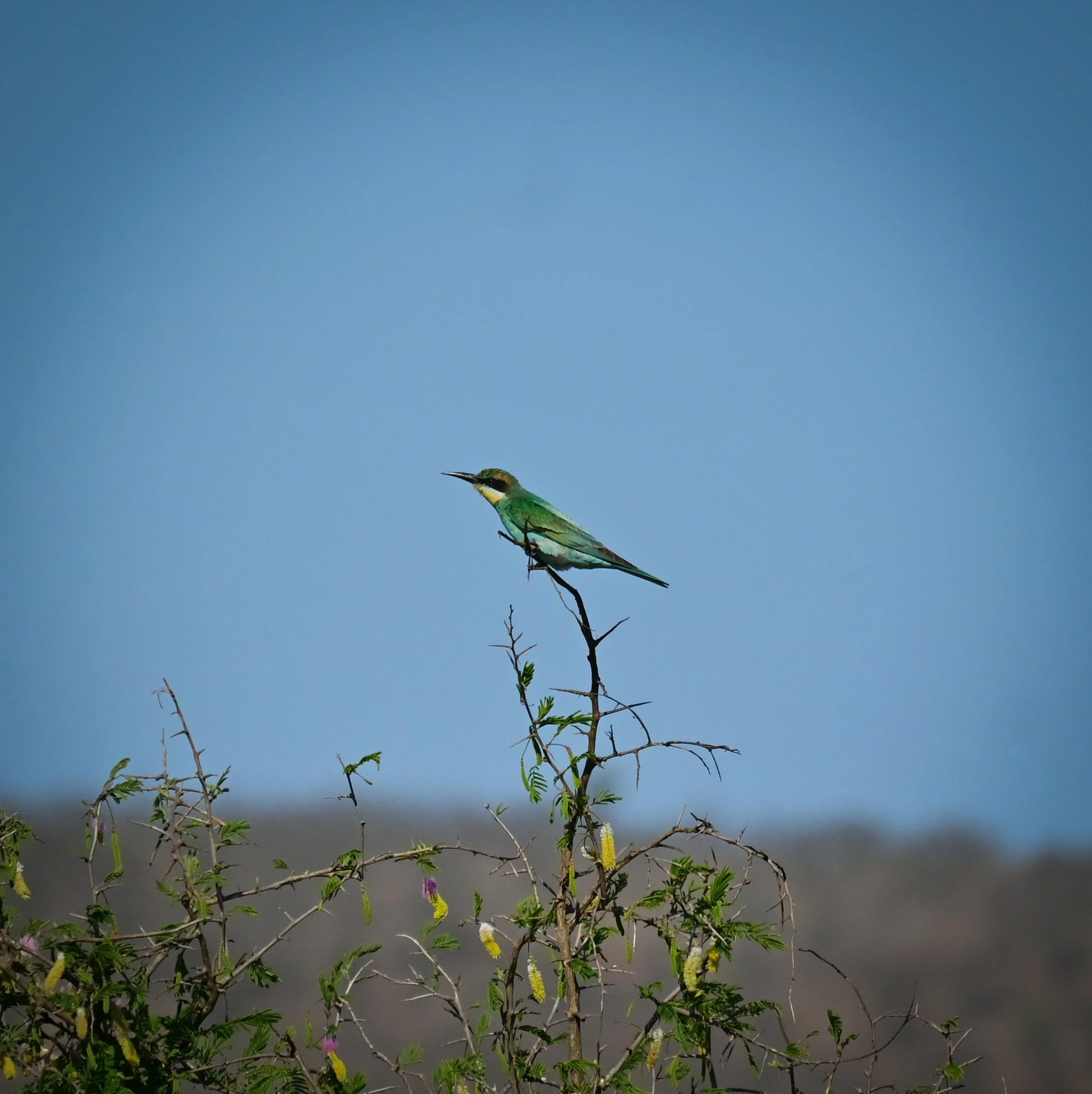
Blue-cheeked Bee-eater (Merops persicus), LC, Kruger National Park
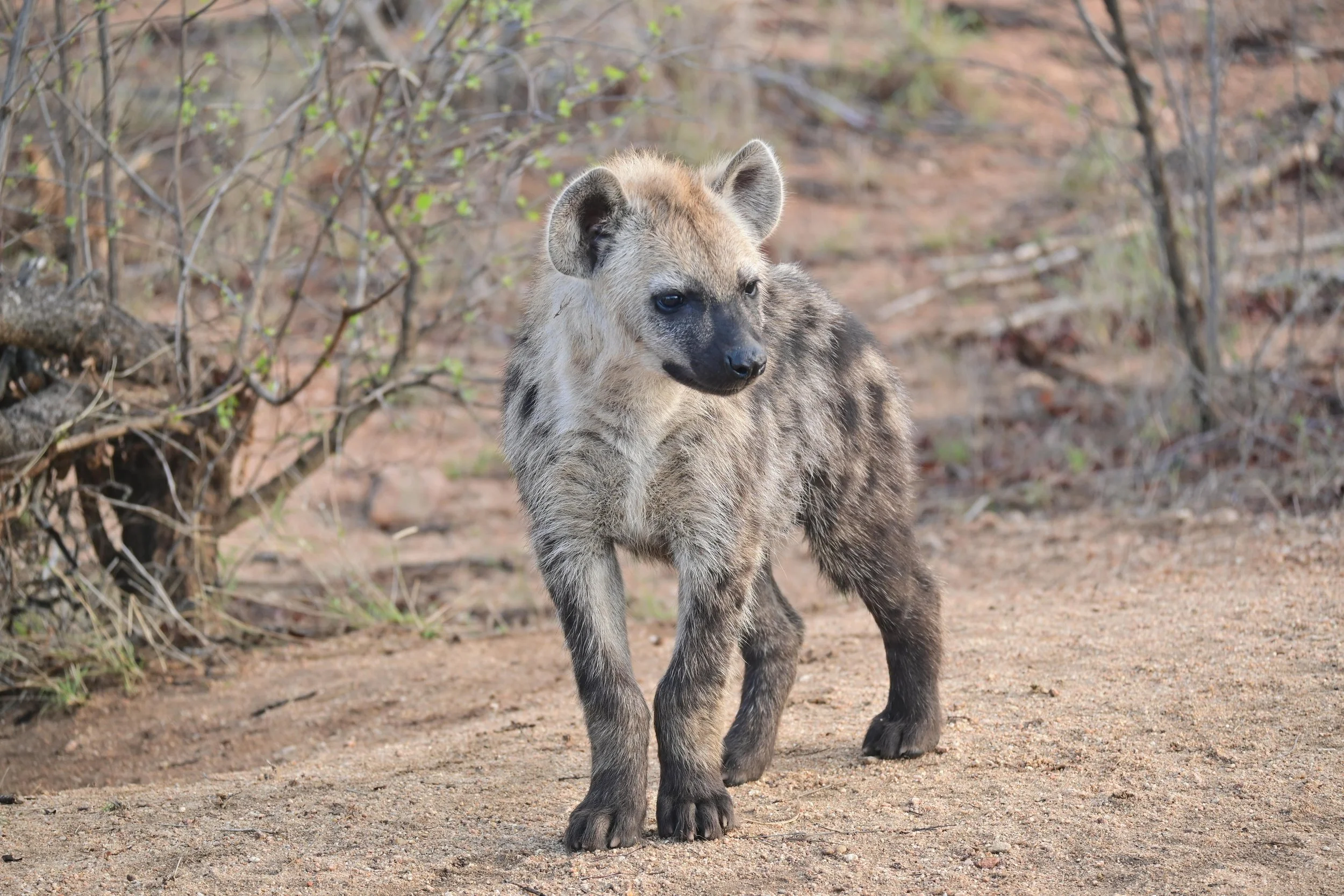
Spotted Hyena cub (Crocuta crocuta), LC, Kruger National Park
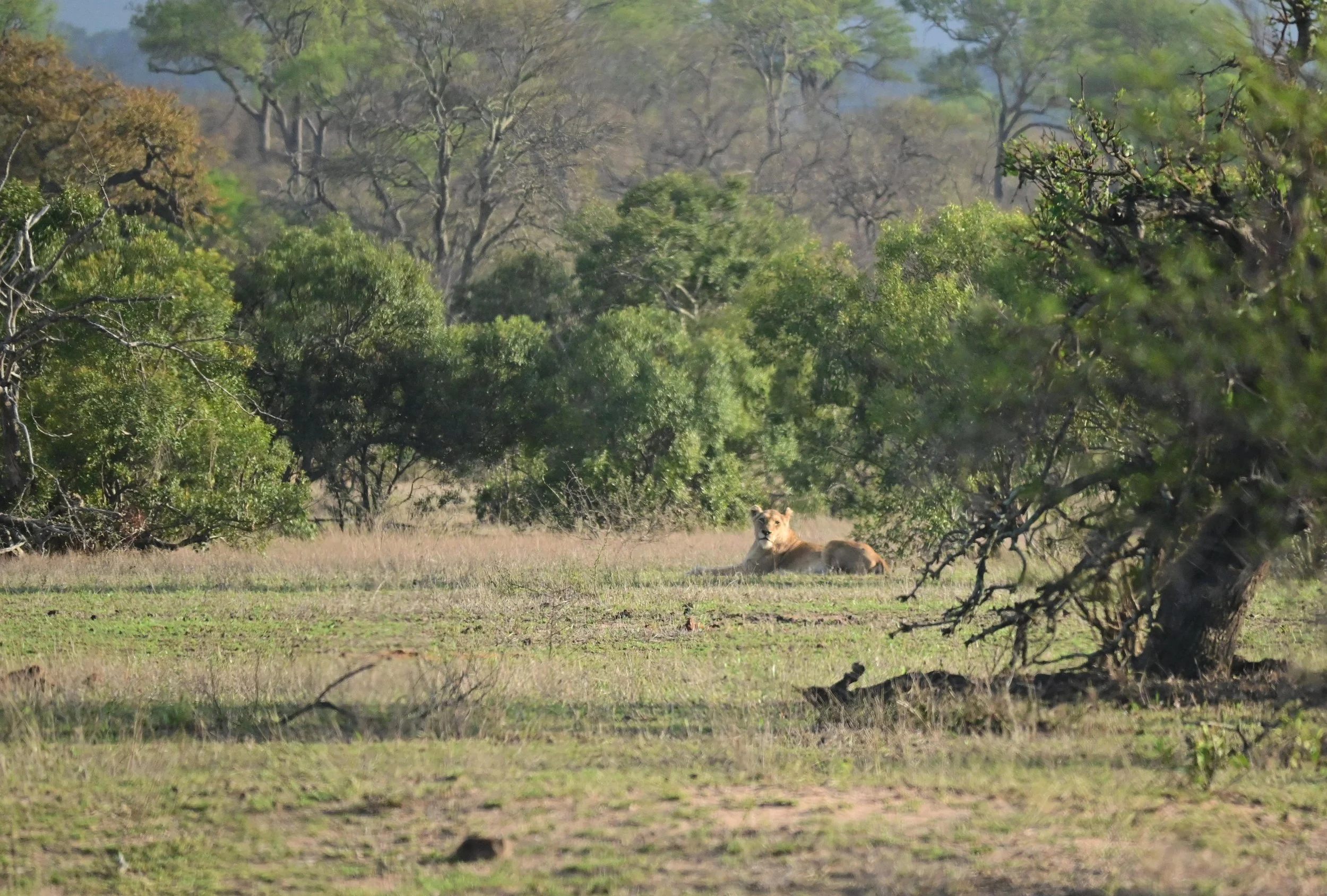
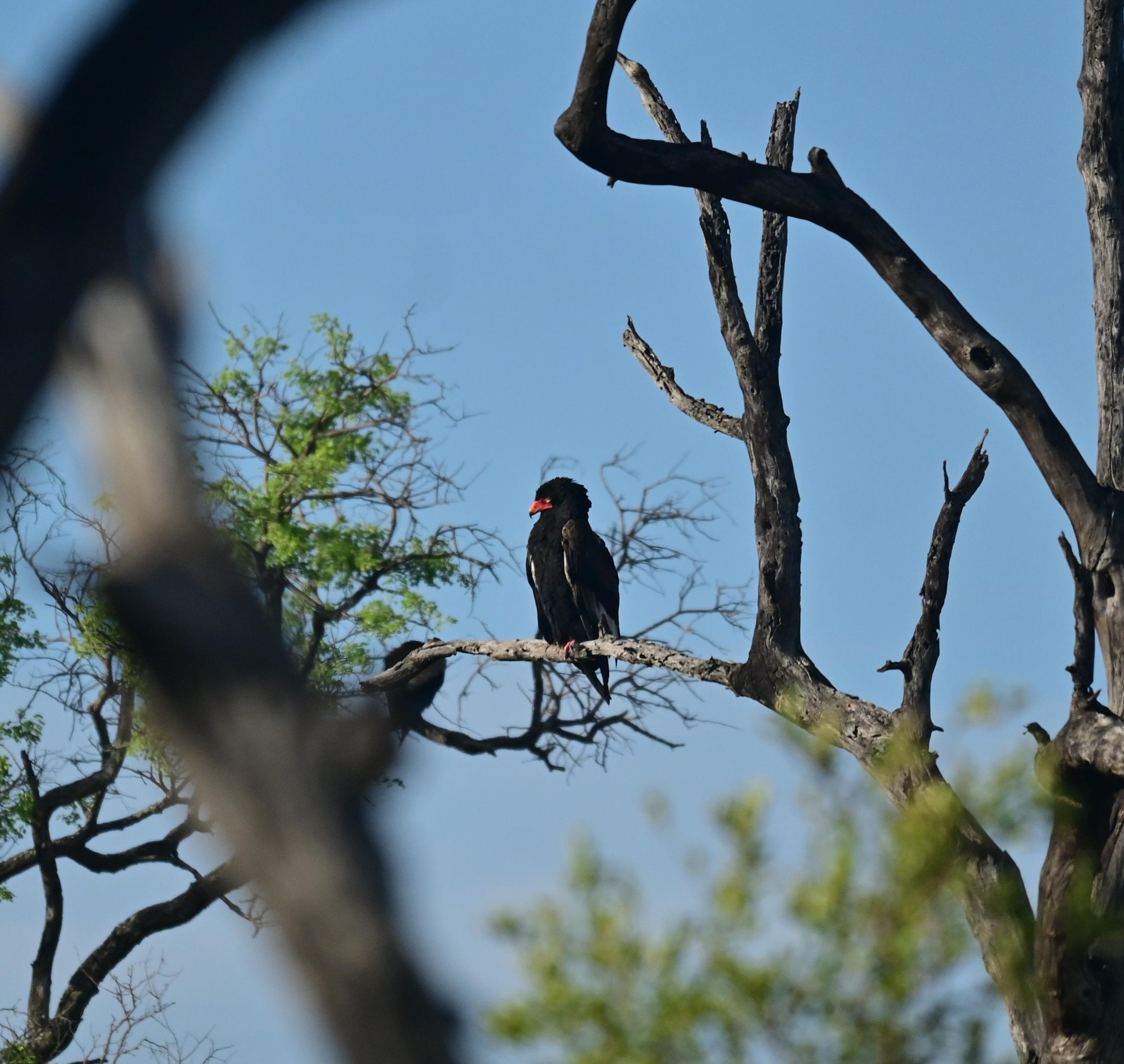
Bateleur (Terathopius ecaudatus), EN, Kruger National Park
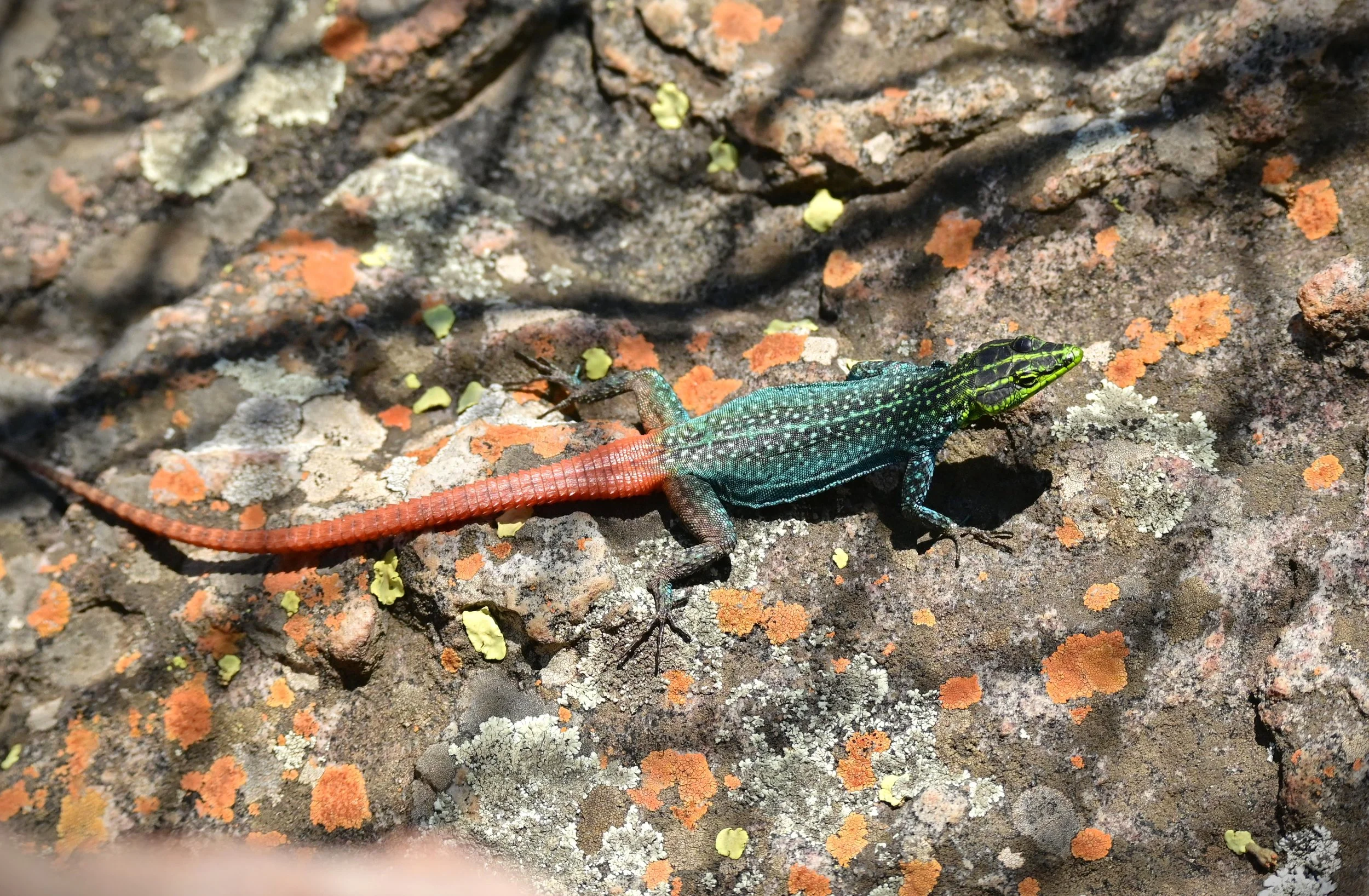
Southern Rock Agama (Agama atra), LC, Blyde River Canyon Nature Reserve
Bibliography:
[1] Manser MB, & Bell MB (2004). Spatial representation of shelter locations in meerkats, Suricata suricatta. Animal Behaviour. 68(1). p.151–157. https://doi.org/10.1016/j.anbehav.2003.10.017
[2] Doolan S & Macdonald D (1999) Co‐operative Rearing by Slender‐tailed Meerkats (Suricata suricatta) in the Southern Kalahari. Environmental Science, Biology. DOI:10.1046/J.1439-0310.1999.00461.X
[3] Griffin AS, Pemberton JM, Brotherton PNM, McIlrath G, Gaynor D, Kansky R, O’Riain J,& Clutton-Brock TH (2003) A genetic analysis of breeding success in thecooperative meerkat (Suricata suricatta). Behavioral Ecology. Vol. 14 (4). p. 472–480.
[4] Madden JR, Drewe JA, Pearce GP & Clutton-Brock TH (2009) The social network structure of a wild meerkat population: 2. Intragroup interactions. Behavioural Ecology and Sociobiology. Vol. 64. p.81–95. DOI 10.1007/s00265-009-0820-8.
[5] Dyble M, Houslay TM, Manser MB, & Clutton-Brock TH (2019) Intergroup aggression in meerkats. Proceedings of the Royal Society B: Biological Sciences. Vol. 286(1917): 20191993. DOI: 10.1098/rspb.2019.1993.
[6] Flower T (2010) Fork-tailed drongos use deceptive mimicked alarm calls to steal food. Proceedings of the Royal Society B: Biological Sciences. Vol. 278(1711). p.1548–1555. DOI: 10.1098/rspb.2010.1932.
All image captions printed in the following format: Species’ Common Name (where applicable), (Scientific name), IUCN Red List Status, Location, Country